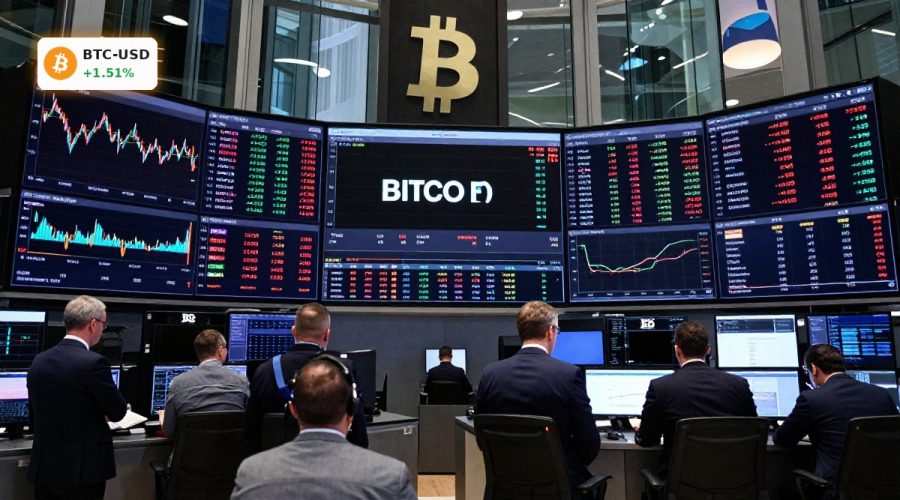
Is Bitcoin’s latest fear-driven pullback a final washout or just the start of a deeper institutional reset?

Is Bitcoin’s stress phase nearing a bottom?
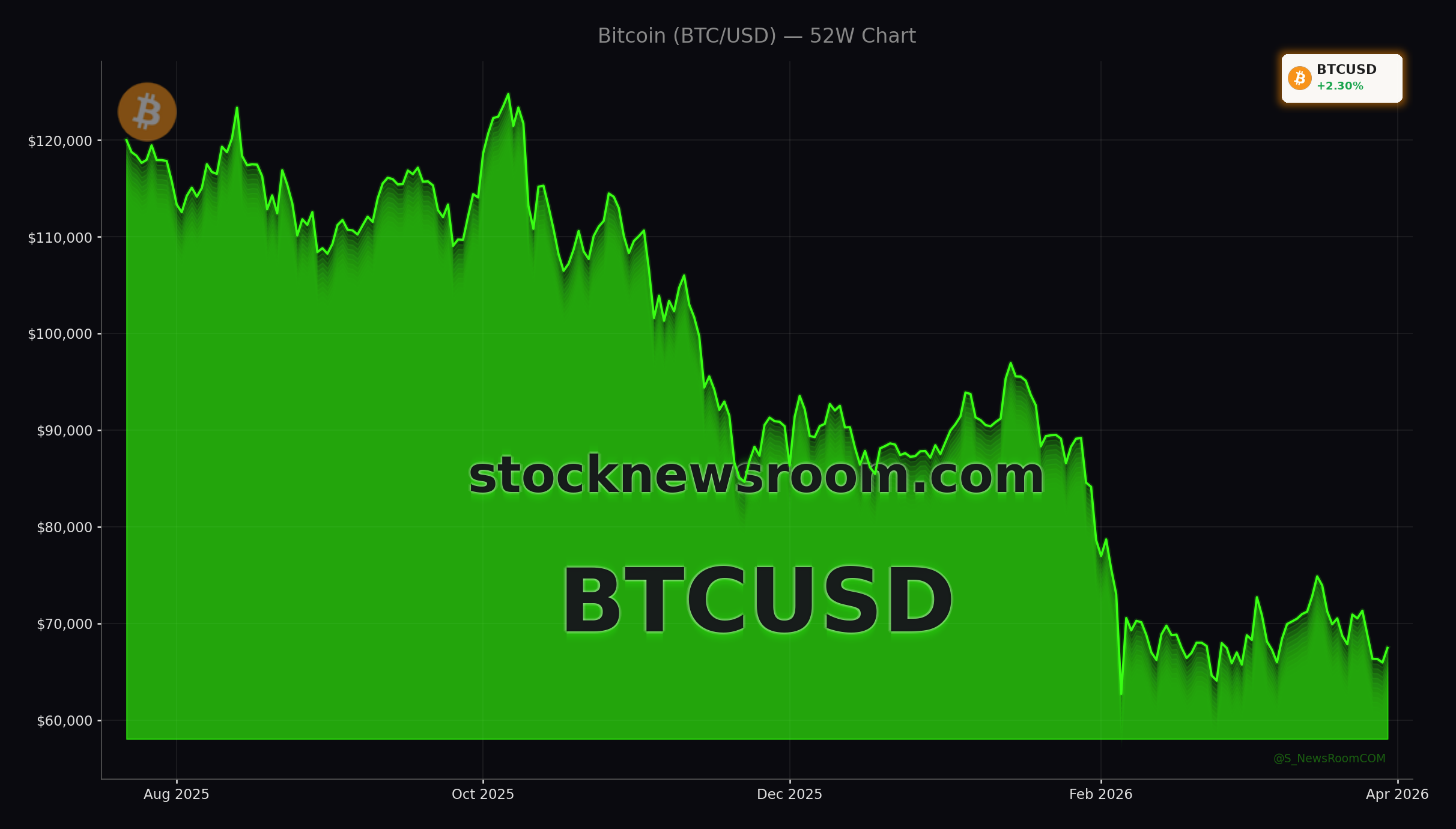
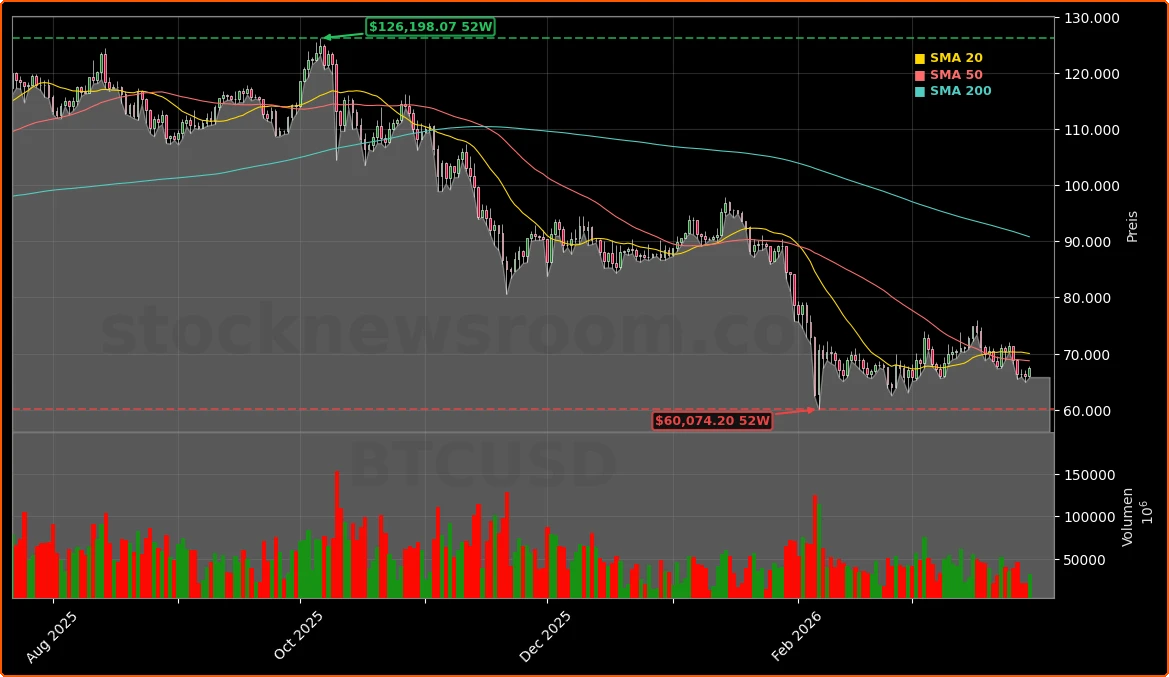
BTCUSD is up roughly 1.5% over the last 24 hours to around $67,500, but the broader trend remains fragile. The Fear & Greed Index has collapsed into single digits, signaling “Extreme Fear” at levels not seen since 2022. Derivatives data show Bitcoin trading below key moving averages and forming lower highs, consistent with a corrective structure rather than a fresh bull leg. Options expiries worth billions of dollars have triggered over $450 million in liquidations, wiping out more than 120,000 leveraged traders and underscoring how brittle positioning has become.
On‑chain, long‑term holder profitability has dropped from nearly 60% to low single digits over about 140 days, a reset that historically precedes durable bottoms but does not yet confirm one. This Bitcoin Market Analysis suggests one more downside leg or a prolonged choppy grind is still possible before a clear reversal.
How are ETFs and BlackRock shaping flows?
Spot Bitcoin ETFs remain central to the current Bitcoin Marktphase und institutionelle Adoption. After pulling in about $18.7 billion of net inflows in Q1 and amassing more than $120 billion in assets, the funds have recently flipped to outflows. U.S. spot products saw roughly $170–$200 million exit in the latest week, with BlackRock and Fidelity vehicles showing notable redemptions even as BTCUSD stays positive for the year.
Yet BlackRock continues to frame digital assets as a growth pillar, targeting up to $500 million in annual crypto revenue within five years and overseeing close to $150 billion in related products. That stance, alongside 401(k) access for crypto and rising corporate treasuries, indicates institutional rails are still being built even as short‑term ETF demand cools.
Bitcoin Market Analysis: what does institutional adoption really look like?
Beneath the headlines, corporate Bitcoin buying is highly concentrated. One listed strategy vehicle now represents roughly three‑quarters of public‑company BTC holdings, raising questions about how broad today’s institutional base truly is. Meanwhile, firms like NVIDIA and Apple are indirectly exposed via the infrastructure and hardware that power digital assets, while Tesla remains a high‑profile example of a corporate balance sheet experiment in Bitcoin.
At the same time, the U.S. Crypto‑Clarity and Basel III debates are reshaping how banks, brokers and custodians can touch BTC, from prime brokerage and derivatives at firms such as BitGo to potential balance‑sheet exposure at major institutions like Morgan Stanley and Citigroup. Tighter IRS reporting via Form 1099‑DA is pulling the asset further into the traditional tax and compliance net, another sign of deepening institutionalization.
Periods of extreme fear have often marked the late stages of Bitcoin stress, just as the rails for institutional capital quietly expand in the background.— StockNewsroom Research Desk
Related Coverage
For a closer look at how Bitcoin’s corporate treasury trend is playing out, our analysis in MicroStrategy Bitcoin Strategy +3.7% Rally Shock Deepens examines the leverage and convertible‑debt mechanics behind the largest public‑company BTC position. Investors tracking broader crypto infrastructure should also read Coinbase Crypto Strategy -6.6%: Regulation and Options Shock, which explores how evolving U.S. regulation and new derivatives products are reshaping exchange economics and institutional on‑ramps for digital assets.
In this context, a Bitcoin Market Analysis focused on U.S. portfolios points toward asymmetry: annual BTC supply growth is already below 1% and trending lower, while new channels like 401(k)s and ETFs add potential demand over time. For diversified investors benchmarked to the S&P 500 or Nasdaq, a modest allocation that can withstand 80% drawdowns may capture the upside of Bitcoin Marktphase und institutionelle Adoption without derailing long‑term plans. The next decisive signal will likely come from whether BTCUSD can hold above key support in the mid‑$60,000s as regulatory clarity and institutional flows continue to evolve.