Will the latest Federal Reserve Rate Decision hold the line on inflation as the Iran war sends oil markets into turmoil?

How did markets react to the Federal Reserve Rate Decision?
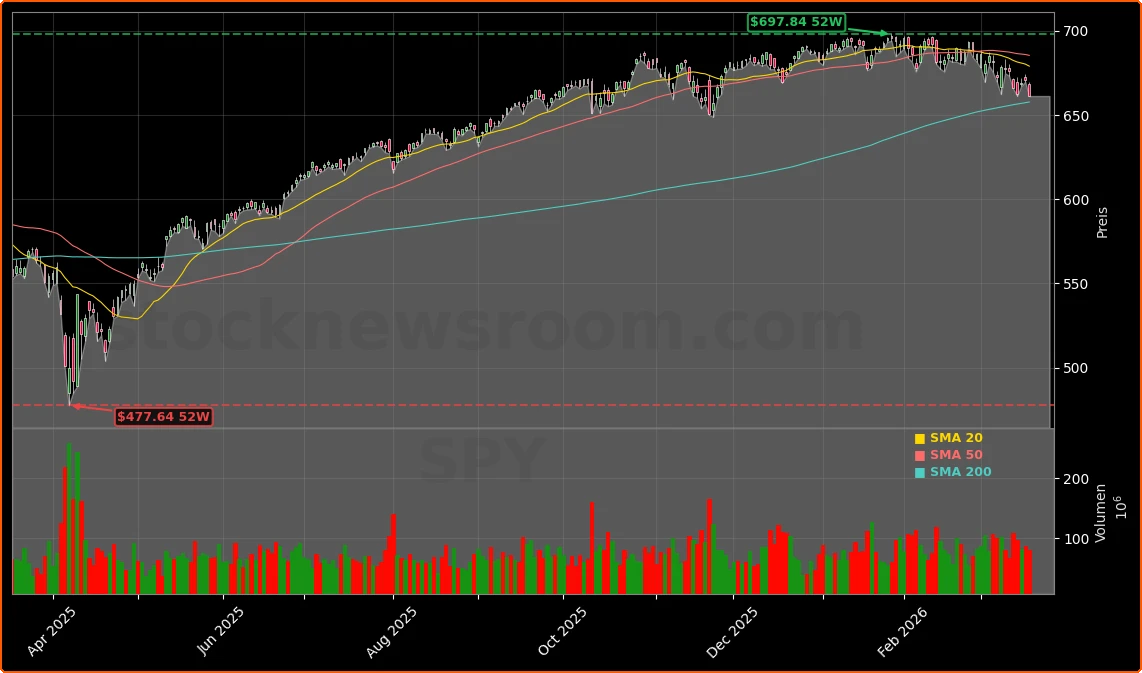
US stocks turned lower into Wednesday’s close, with the S&P 500 slipping about 1.4% to roughly 6,625 as traders digested the Federal Reserve Rate Decision and hotter-than-expected wholesale inflation. A 0.7% month-over-month jump in the Producer Price Index, the strongest in a year, reinforced fears that price pressures are re-accelerating even before the full impact of the Iran conflict filters through energy markets.
Bond markets echoed the concern. The 10-year Treasury yield climbed above 4.23% as traders priced in fewer rate cuts ahead, while the 10-year breakeven inflation rate hit a 6.5‑month high near 2.42%. Higher real yields added pressure on growth stocks, with mega-cap tech names such as NVIDIA and Apple losing ground as investors rotated cautiously toward cash and shorter-duration fixed income.
Gold and silver extended a multi-session slide, dropping over 3% intraday, as the prospect of “higher for longer” rates weighed on non‑yielding assets. Crude oil prices whipsawed but remained elevated after Iran expanded missile and drone attacks across the Gulf region, keeping a sizable risk premium embedded in Brent and WTI benchmarks.
What exactly did the Fed decide on rates?
The Federal Open Market Committee voted 11‑1 to keep the federal funds target range at 3.50%-3.75%, marking a second straight hold after three cuts late last year. Governor Stephen Miran dissented in favor of a 25‑basis‑point cut, citing rising concerns around the labor market, where the unemployment rate has climbed to about 4.4% and is expected to drift higher.
Despite persistent inflation, the Fed’s Summary of Economic Projections still points to one rate cut this year and another in 2027, implying only a very gradual path toward normalization. The median projection for the federal funds rate at the end of 2026 remains around 3.4%, with the long‑run neutral rate nudged up to 3.1% — a subtle acknowledgment that policy may need to stay tighter than in the pre‑pandemic decade.
At his press conference, Chair Jerome Powell emphasized that the committee is on the “borderline of restrictive versus not restrictive” and reiterated a data‑dependent, wait‑and‑see stance. He stressed that if inflation progress stalls, “there will be no rate cuts,” underscoring the Fed’s willingness to sacrifice some growth to safeguard price stability.
How is the Iran war shaping the Federal Reserve Rate Decision?
The Iran conflict loomed large over the March meeting. The Fed’s statement explicitly noted that “the implications of developments in the Middle East for the U.S. economy are uncertain,” highlighting the risk that elevated oil prices could reignite headline inflation and bleed into core measures over time.
Oil has surged more than 50% since the last FOMC meeting, with the partial shutdown of the Strait of Hormuz disrupting an estimated 7.5% of global supply. Goldman Sachs has warned crude could challenge the 2008 record near $150 a barrel if flows remain constrained, a scenario that would pressure transportation, airlines, and energy‑intensive manufacturers within the S&P 500.
Powell acknowledged that higher energy costs will “push up overall inflation,” but argued it is too early to judge the scope and duration of the shock. Unlike in the 1970s, he said, long‑term inflation expectations remain broadly anchored, even as short‑term expectations have ticked higher in recent weeks.
What does this mean for Wall Street, crypto, and tech leaders like Tesla?
For Wall Street, the Federal Reserve Rate Decision reinforced a “hawkish hold” narrative that leaves risk assets sensitive to every inflation print and headline out of the Gulf. Futures now price less than one full cut by year‑end, with many traders pushing their first realistic easing scenario into October or December. That backdrop favors quality balance sheets and cash‑generating blue chips over speculative growth.
Crypto markets felt the impact immediately. Bitcoin slipped back toward $71,000, while Ethereum and other major tokens dropped 5%-6% as traders reacted to the hotter PPI and the Fed’s reiterated higher‑for‑longer stance. Still, stablecoin inflows into major exchanges suggest large players are positioning for a volatility spike once the macro path becomes clearer.
High‑beta tech names such as Tesla and NVIDIA remain particularly exposed to higher real yields and any slowdown in global demand tied to elevated energy costs. At the same time, resilient consumer spending and a still‑solid GDP outlook offer some cushion for US‑centric platforms like Apple, especially if AI‑driven productivity gains offset part of the oil shock over time.
Cutting rates while inflation is rising would be difficult to justify, even if it might receive political support.— Stephen Kates, Bankrate
In summary, the Federal Reserve Rate Decision extended the current rate pause but did little to ease uncertainty. For US and international investors, the key will be whether incoming inflation data confirm the Fed’s view that the Iran‑driven energy spike is a one‑time shock, or force an even more hawkish turn that could challenge valuations across equities, bonds, and digital assets.