Is the Federal Reserve Rate Outlook quietly shifting from cuts to fresh hikes just as Wall Street’s tech boom looks most vulnerable?

How has the Federal Reserve Rate Outlook shifted?
The **Federal Reserve Rate Outlook** has undergone a 180-degree turn. Fed funds futures and CME’s FedWatch data show that the first full rate cut is now priced only for December 2027, while the probability of at least one hike by late 2026 has moved above 50%. Some swap markets even assign a small chance of a 25-basis-point increase as early as the April FOMC meeting, reflecting concern that inflation will reaccelerate.
Over the past 18 months, the **Federal Reserve** cut the federal funds target rate six times to a 3.50%–3.75% range, helping support Wall Street’s tech-driven rally. Now, the combination of higher oil prices, tariffs, and the Iran war has investors questioning whether that easing cycle is effectively over.
What does this mean for Wall Street leaders like NVIDIA?
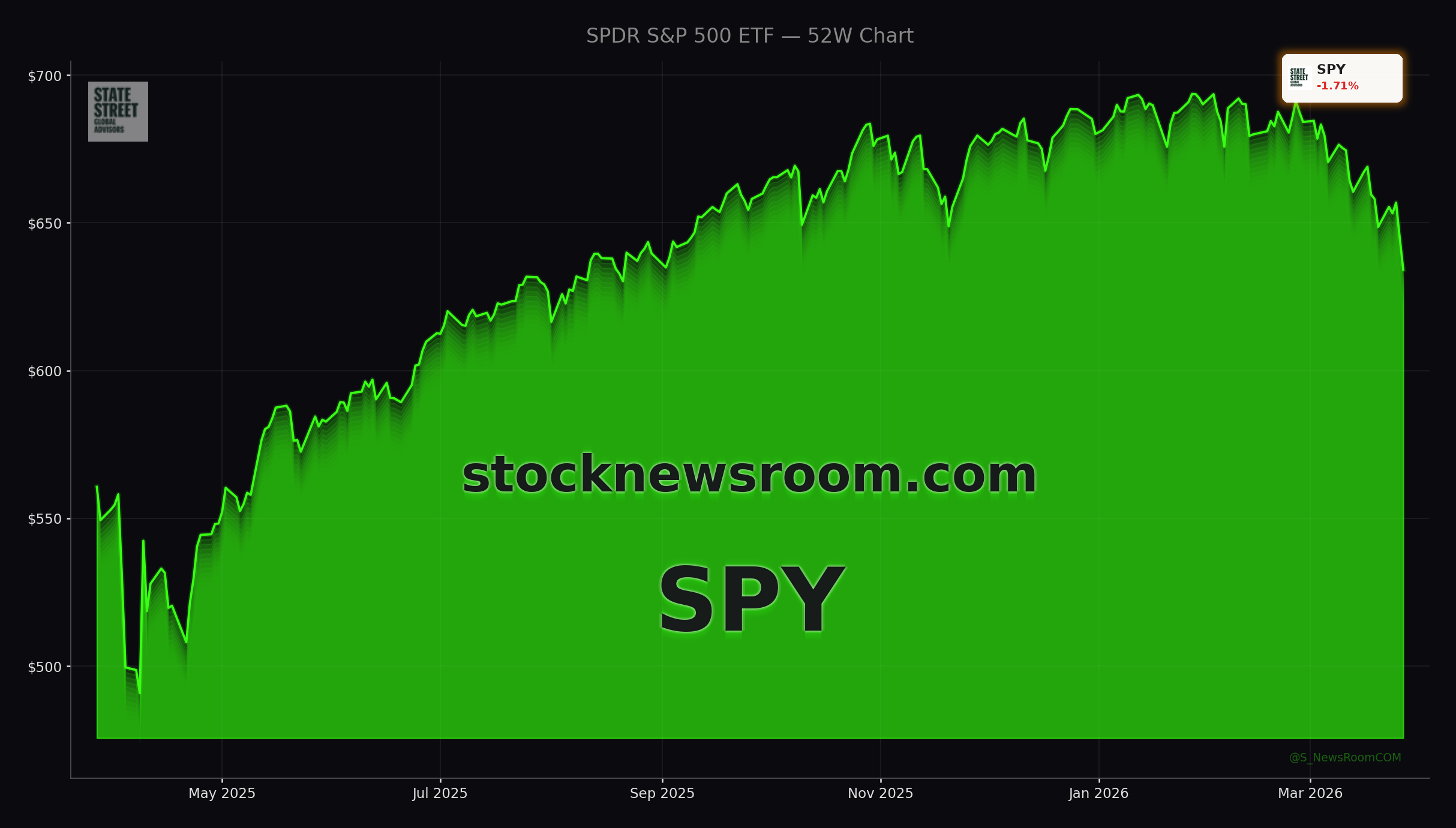
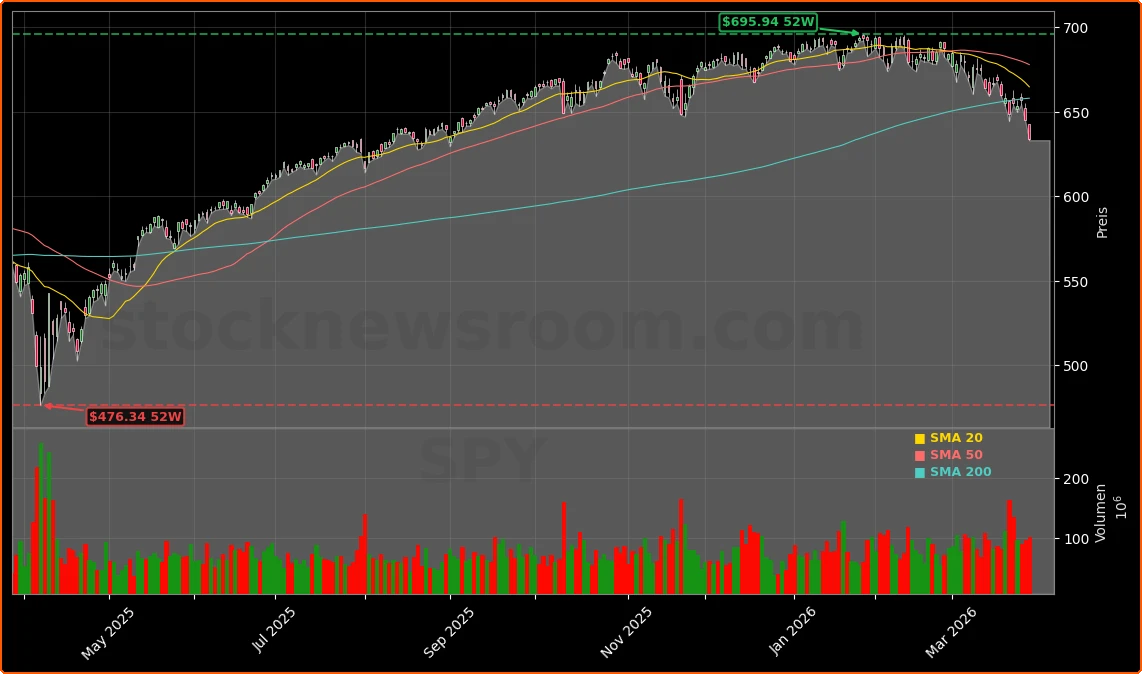
The S&P 500 closed Friday at 6,368.85, down 1.67% on the day, as the new **Federal Reserve Rate Outlook** pressured high-valuation growth stocks. Market darlings such as NVIDIA, Tesla and Apple tend to be highly sensitive to discount-rate assumptions because much of their value comes from distant cash flows. With the 10-year Treasury yield hovering near 4.4%, risk-free returns now compete more directly with richly priced equities.
Analysts at major houses including Goldman Sachs and Morgan Stanley have repeatedly highlighted that a key pillar of the bull market was the expectation of lower rates. If that pillar is removed or reversed, multiples on megacap tech and AI beneficiaries could compress even if earnings hold up.
How could policy uncertainty hit broader assets?
The Iran war has driven oil sharply higher, with a 5% spike on Friday alone lifting inflation expectations and supporting the dollar. Silver and other haven assets remain volatile as traders balance a stronger greenback against geopolitical risk. At the same time, Treasury yields have climbed roughly half a percentage point since the conflict began, signaling worries that the **Federal Reserve Rate Outlook** is shifting from easing to a prolonged pause or even tightening.
Internally, the Fed faces growing division. The last six FOMC meetings included at least one dissent, and some members previously argued for either larger cuts or no move at all. With Chair **Jerome Powell**’s term ending in May and the committee split, a surprise hawkish turn could undermine confidence and exacerbate market swings.
For US investors, the message is clear: the **Federal Reserve Rate Outlook** now leans away from rapid cuts and toward a higher-for-longer stance with nontrivial hike risk. That backdrop favors quality balance sheets, shorter-duration bonds, and rate-resilient sectors while making speculative, leverage-dependent trades far more fragile. The next FOMC meetings will be critical in confirming whether this repricing was justified or an overreaction, but for now, positioning as if cuts are “off the table” looks prudent.