Will the Ford BlueCruise Investigation stay a reputational bruise or turn into a full-blown safety and earnings problem for investors?

How damaging is the Ford BlueCruise Investigation for the stock?
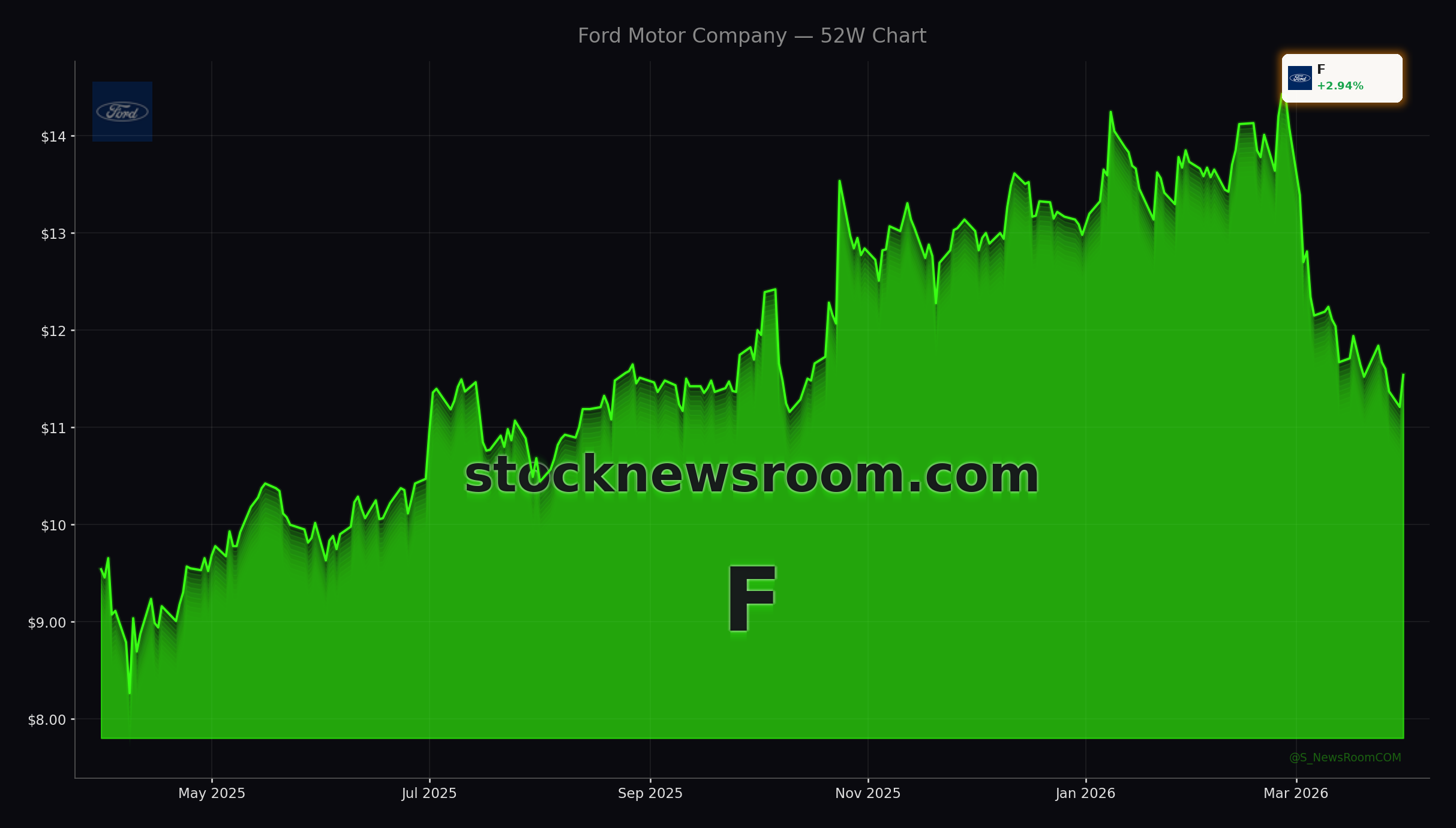
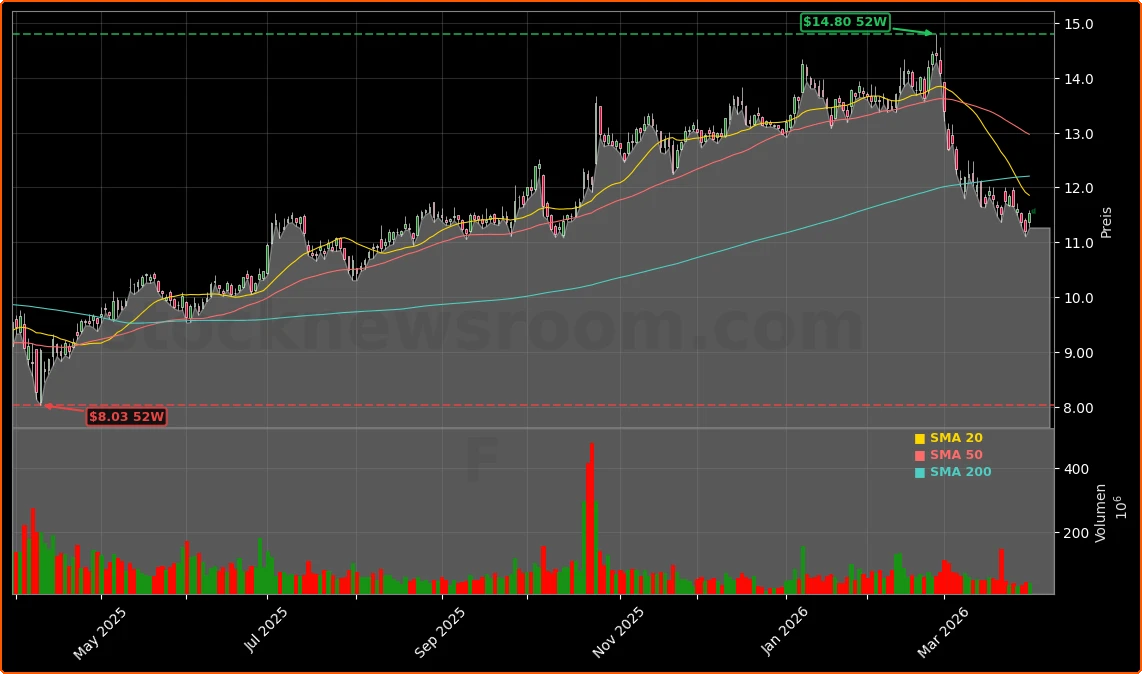
The immediate market impact looks contained: Ford Motor Company (NYSE: F) finished Tuesday at $11.54, up 2.94% on the day, and traded slightly higher pre‑market around $11.60. That leaves the stock still well below typical Wall Street fair‑value estimates in the low‑ to mid‑teens, suggesting the Ford BlueCruise Investigation has not yet triggered a wholesale de‑rating. Many large institutions, such as Brookstone Capital Management, continue to hold sizable positions even after trimming stakes in Q4 2025, while insiders including Executive Chair Bill Ford have recently added shares, signaling internal confidence.
For US investors, the key question is not Tuesday’s move but whether BlueCruise morphs from a reputational issue into a recall, legal or regulatory overhang that compresses margins and caps the multiple. The National Highway Traffic Safety Administration (NHTSA) is already running a separate probe into BlueCruise, similar to its investigation of Tesla’s Autopilot and Full Self‑Driving systems. A negative outcome could impose software redesign costs, limit deployment of higher‑margin driver‑assist packages and delay Ford’s long‑stated shift toward subscription‑like recurring revenue from cars.
What exactly did the NTSB find about Ford BlueCruise?
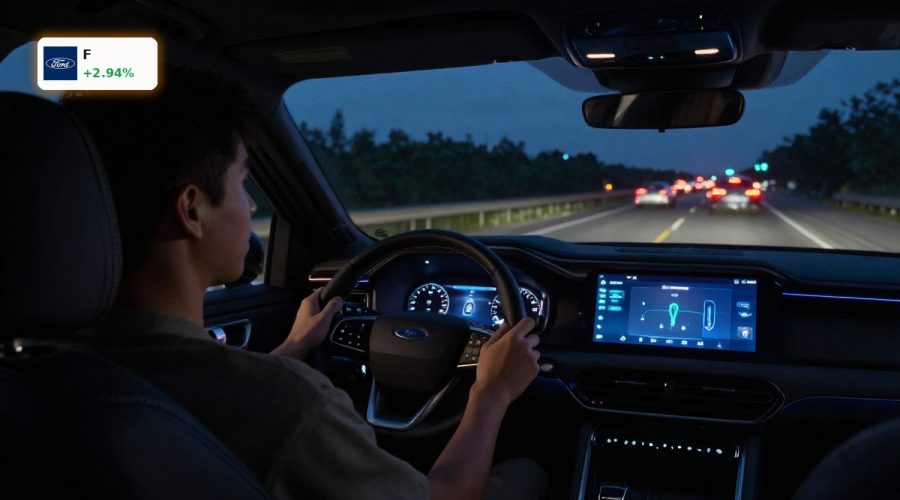
The National Transportation Safety Board voted unanimously to approve findings that overreliance on BlueCruise and limitations in the technology contributed to two deadly 2024 crashes in Texas and Pennsylvania, leaving three people dead. In both collisions, Ford vehicles slammed into stationary cars while BlueCruise was active, with no recorded driver‑applied or system‑initiated braking or steering before impact. Investigators highlighted BlueCruise’s failure to reliably detect stopped vehicles and criticized its permissive speed behavior, including allowing excessive speed in a work zone.
Crucially, the NTSB said Ford’s current eye‑tracking and driver monitoring are not robust enough to distinguish between drivers watching the road and those distracted by objects that block visibility, such as smartphones. Chair Jennifer Homendy pressed for tougher federal performance standards for partially automated systems, warning that automakers’ marketing claims about eliminating traffic deaths are running ahead of actual capabilities. Ford responded that it remains committed to safety and stressed that alcohol impairment was a factor in one crash, but said it would take the recommendations seriously as it updates BlueCruise and related driver‑assist technologies.
Ford BlueCruise Investigation vs. Tesla and other rivals?
The Ford BlueCruise Investigation does not exist in a vacuum. NHTSA is simultaneously probing Tesla’s Autopilot and Full Self‑Driving features, and has already pushed multiple over‑the‑air updates and recalls across Tesla’s fleet. Meanwhile, the NTSB has publicly urged NHTSA for years to adopt clearer performance standards and data‑reporting rules for all partially automated systems, not just from Ford. That suggests more stringent, sector‑wide oversight is likely, which would affect Tesla, General Motors’ Super Cruise and Ultra Cruise, and any future “eyes‑off” technologies from traditional OEMs.
For investors, that may narrow the perceived technology gap between high‑multiple EV names like Tesla and legacy players such as Ford and GM. If all automated driving systems must meet tighter benchmarks and share crash data, first‑mover marketing advantages could shrink and capital requirements could rise across the board. At the same time, Ford’s more cautious EV rollout relative to some rivals may limit downside, especially as GM has recently shifted resources back toward highly profitable gas trucks while moderating its EV build‑out.
Can Ford’s EV and ‘eyes‑off’ plans survive more scrutiny?
The timing of the Ford BlueCruise Investigation is awkward for Dearborn. Ford is touting a new Universal EV Platform that is supposed to underpin a $30,000 mass‑market EV and enable Level 3 “eyes‑off” driving around 2028. That vision assumes regulators will approve higher levels of automation and that customers will pay a premium for advanced driver‑assist features. The NTSB’s call for stronger driver monitoring and stricter speed and crash‑data rules could lengthen development cycles and increase testing costs for those ambitions.
Ford’s board and compensation structure add another layer of risk perception. A recent proxy filing shows CEO Jim Farley earned about $27.5 million in 2025, roughly 295 times the median employee pay of just over $93,000, while Executive Chair Bill Ford received more than $20 million. At the same time, Ford booked a $19.5 billion write‑off tied to earlier EV efforts and posted an $8.2 billion loss, stoking debate over whether the Ford family’s super‑voting Class B shares – which guarantee about 40% of total voting power – protect long‑term strategy or entrench leadership despite missteps.
How should US investors position around Ford now?
With F shares hovering in the low teens and a dividend yield that appeals to income‑oriented portfolios, the market is already discounting a lot of execution risk. The Ford BlueCruise Investigation primarily threatens Ford’s narrative as a software‑ and services‑enabled automaker rather than its core truck and Bronco franchises, which remain profit engines and brand pillars. Enthusiast products like the 2027 Bronco RTR, unveiled with a performance‑oriented interior and off‑road focus, show Ford still has strong levers in high‑margin segments even as its EV path remains bumpy.
Analyst sentiment is generally cautious but not catastrophic: consensus ratings cluster around “Hold” with average price targets moderately above the current quote, leaving room for upside if Ford executes software fixes and stabilizes EV losses. For diversified US investors, that argues for sizing Ford as a cyclical, dividend‑paying auto position with optionality on a safer, more regulated automation landscape, rather than as a pure‑play autonomy or EV bet competing directly with NVIDIA and Apple‑style tech valuations.
Related Coverage
Brand strategy is becoming more important as safety questions rise. A recent analysis explored whether Ford’s new Major League Baseball tie‑up can offset EV skepticism and rebuild consumer enthusiasm; see how the Ford MLB partnership could fuel a brand rally and support the stock over the coming seasons. Broader auto‑retail sentiment also matters: structurally stressed players like Carvana can ripple through investor views on vehicle demand and residual values, as discussed in our deep dive into the latest Carvana short report and split‑risk warning.
Manufacturers and federal regulators must ensure these technologies are designed, monitored and implemented in ways that keep all our road users safe.— Jennifer Homendy, NTSB Chair
Ultimately, the Ford BlueCruise Investigation underscores how quickly safety and governance can reshape the risk‑reward profile for Ford Motor Company. The core truck and SUV franchise remains intact, but software credibility and EV capital allocation are now firmly in the spotlight for Wall Street. The next regulatory steps from NHTSA and Ford’s response on driver monitoring and data transparency will determine whether this episode becomes a manageable setback or a lasting drag on the valuation.