Can the Merck Terns Acquisition really plug the looming Keytruda revenue gap or is $6.7 billion just a high-risk oncology bet?

How does the Merck Terns Acquisition reshape the cancer landscape?
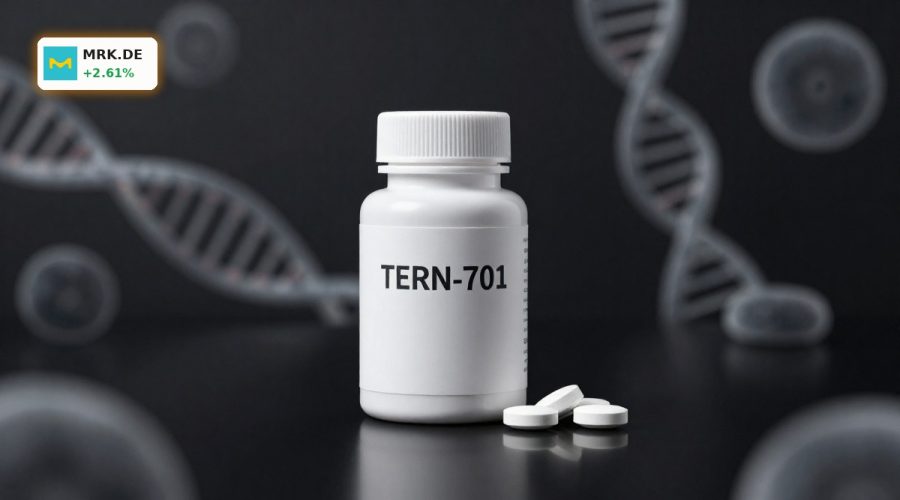
The Merck Terns Acquisition centers on Terns’ lead asset TERN‑701, an oral allosteric BCR::ABL1 tyrosine kinase inhibitor in Phase 1/2 trials for certain patients with chronic myeloid leukemia (CML). CML is a rare blood cancer affecting the bone marrow and bloodstream, typically driven by a specific genetic mutation. Early clinical data have been encouraging, and some Wall Street estimates see potential peak adjusted annual sales of up to roughly $2.3 billion if future late‑stage trials and approvals go well.
Strategically, TERN‑701 gives Merck a differentiated entry into hematologic oncology, complementing its dominant immuno‑oncology franchise led by Keytruda. The therapy could eventually compete with Novartis’s Scemblix in CML, expanding Merck’s presence in a niche but high‑value market. Management expects to account for the deal as an asset acquisition, with an estimated $5.8 billion charge, or about $2.35 per share, flowing through both second‑quarter and full‑year 2026 GAAP and non‑GAAP results.
For U.S. equity portfolios, the transaction highlights the premium large pharma is willing to pay for credible late‑decade revenue streams as the industry collectively faces an estimated $320 billion in patent‑related sales erosion by 2030. The modest headline premium to Terns’ last close masks the substantial uplift versus its 60‑ and 90‑day volume‑weighted averages, suggesting Merck sees TERN‑701 as a potential best‑in‑class asset.
What does Merck gain beyond TERN‑701?
While the focal point of the Merck Terns Acquisition is hematology, Terns brings a broader early‑stage pipeline in oncology, obesity, and metabolic liver disease. Most of these programs remain in earlier clinical phases, so they add optionality rather than near‑term revenue. Combined with Merck’s existing work in cardio‑pulmonary diseases and immunology, the deal fits a pattern of building multi‑pillar growth beyond Keytruda.
Over the last year, Merck has already executed several multi‑billion‑dollar transactions, including takeovers of Verona Pharma and Cidara Therapeutics, as well as partnerships in AI‑driven drug discovery with institutions like Mayo Clinic. On the animal health side, the company is expanding its Bravecto Quantum franchise after the FDA approved an expanded label in March 2026 for additional tick species, showing that Merck continues to invest across both human and veterinary health.
Wall Street has noticed the strategy. Wells Fargo recently raised its price target on Merck to $150 and kept an Overweight rating, citing the potential for pipeline assets such as Sac‑TMT to become best‑in‑class cancer therapies that could reduce reliance on traditional chemotherapy. Citigroup also lifted its target to $125 with a Neutral stance, reflecting confidence in Merck’s fundamentals but a more balanced risk‑reward after the stock’s strong run within the S&P 500.
How does this deal compare with peers for U.S. investors?
Among mega‑cap healthcare names, Merck is positioning itself as one of the most aggressive buyers of innovation, contrasting with a more selective approach from peers like Apple and NVIDIA in their respective sectors, where capital allocation has leaned more toward buybacks and organic R&D than large bolt‑on acquisitions. Within pharma, the Merck Terns Acquisition echoes recent oncology‑focused deals by rivals such as Tesla in energy‑adjacent tech and Apple in digital health, but Merck’s focus remains squarely on traditional therapeutics rather than platforms or devices.
For U.S. investors screening defensive holdings in the S&P 500 and Dow, Merck offers the classic healthcare profile: resilient cash flows, a growing dividend, and exposure to secular demand for cancer and chronic disease treatments. In prior periods of market stress, healthcare stalwarts like Merck and Bristol Myers have often outperformed high‑beta technology names, providing ballast to portfolios heavy in growth leaders such as NVIDIA. The Terns buyout may reinforce Merck’s image as a core defensive holding with upside tied to oncology innovation.
In the near term, the deal will modestly dent reported earnings due to the acquisition charge but should not materially change Merck’s balance‑sheet strength. Recent institutional moves illustrate divergent views: some asset managers have sharply reduced positions, while others, such as E. Ohman J:or Asset Management AB, have initiated or expanded stakes, betting that the company’s M&A strategy will pay off beyond 2028.
What should shareholders watch next from Merck and Terns?
Under the terms of the agreement, a Merck subsidiary will launch a tender offer to acquire all outstanding Terns shares at $53 in cash. The boards of both companies have approved the deal, which remains subject to customary conditions, including a majority of Terns shareholders tendering their stock and the expiration of the Hart‑Scott‑Rodino antitrust waiting period. Merck expects the transaction to close in the second quarter of 2026.
Investors should focus on the upcoming investor call, where management will likely provide more color on how the Merck Terns Acquisition fits into its broader capital allocation framework, including future deal capacity and R&D prioritization. Key milestones will include updated timelines for TERN‑701’s progression into late‑stage CML trials by late 2026 or early 2027, as well as any indication of expansion into additional hematologic malignancies.
The acquisition of Terns builds on our growing presence in hematology with TERN-701, a potential best-in-class candidate for the treatment of certain patients with chronic myeloid leukemia.— Robert Davis, CEO of Merck & Co., Inc.
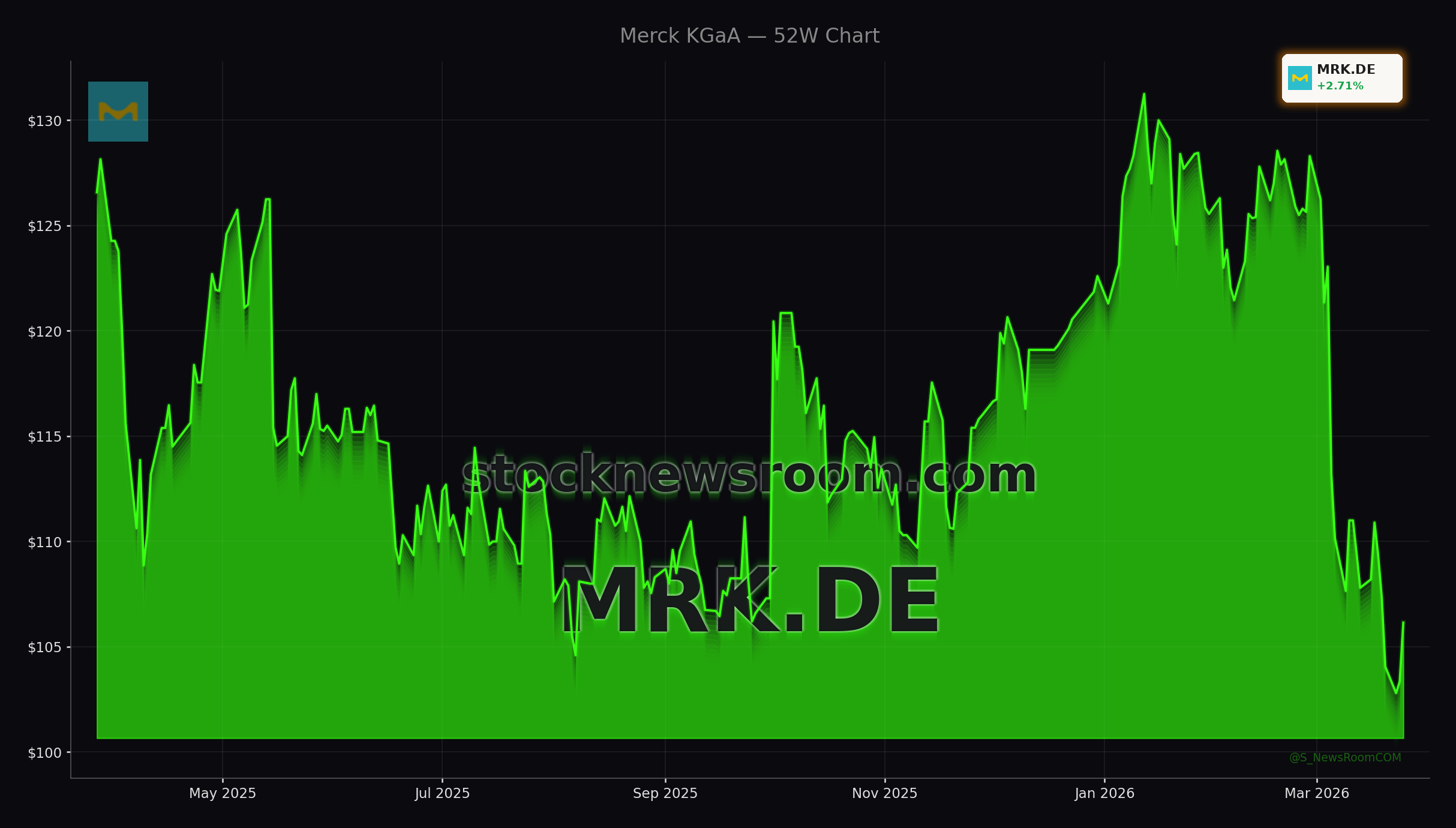
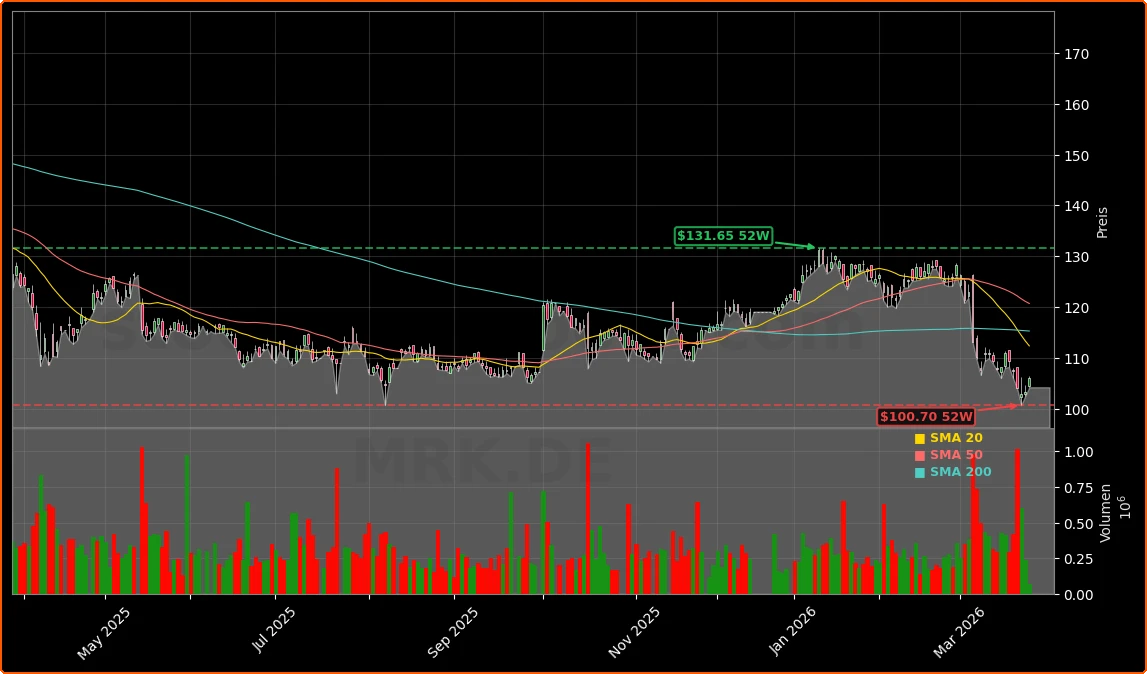
On the trading side, Terns has already spiked toward the offer price, while Merck shares have been relatively stable, recently changing hands near $116–117 and trading not far from fresh 52‑week highs around the low‑$120s. With the stock still below bullish price targets from houses like Wells Fargo and Citi, the market appears to be assigning incremental but not transformative value to the deal, pending more robust data from TERN‑701. For long‑term holders, the Merck Terns Acquisition reinforces the company’s standing as a leading oncology platform ahead of the Keytruda patent cliff, with the next catalysts likely coming from clinical readouts and continued dealmaking.