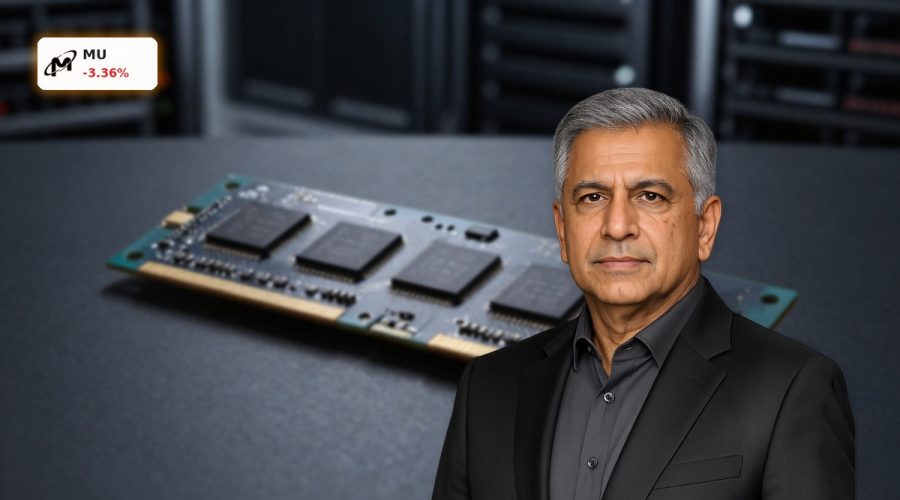
Is the Micron Technology AI Memory boom just starting or already flashing early warning signs for late-arriving investors?
How is Micron reshaping the AI memory trade?
The Micron Technology KI-Speicherboom is being driven by a dramatic shift in AI workloads, which are increasingly memory-bound rather than compute-bound. Training and inference for large language models, generative video and recommendation engines all require vast amounts of DRAM and HBM attached to GPUs from players like NVIDIA. Unlike prior server cycles, capacity constraints today are less about raw compute and more about getting enough high-bandwidth memory into AI accelerators and data center nodes.
Micron’s HBM output for 2026 is effectively sold out under binding contracts, giving the company rare visibility in what has historically been one of the most cyclical corners of semiconductors. Management is guiding for gross margins near 68% for fiscal Q2 2026, a dramatic reversal from negative margins in 2023. Earnings per share have already inflected to about $4.78 in the most recent quarter, with Wall Street expecting roughly $8.42 this quarter – more than Micron earned in all of 2025.
At about 10–12 times projected FY 2026 EPS, Micron still trades at a discount to many AI leaders. That valuation gap is central to the current Micron Technology AI Memory bull thesis: investors are paying a commodity multiple for what increasingly looks like infrastructure-level AI exposure.
Why Micron Technology AI Memory margins are exploding
The key to Micron’s sudden profitability is the tightest supply-demand balance in memory in decades. Years of underinvestment in 2022–2023 left the industry short of leading-edge DRAM capacity just as the AI wave hit. Shifting production from standard DRAM to HBM further constrains supply, with roughly a 3:1 trade-off in wafer capacity, magnifying shortages in both HBM and conventional server DRAM.
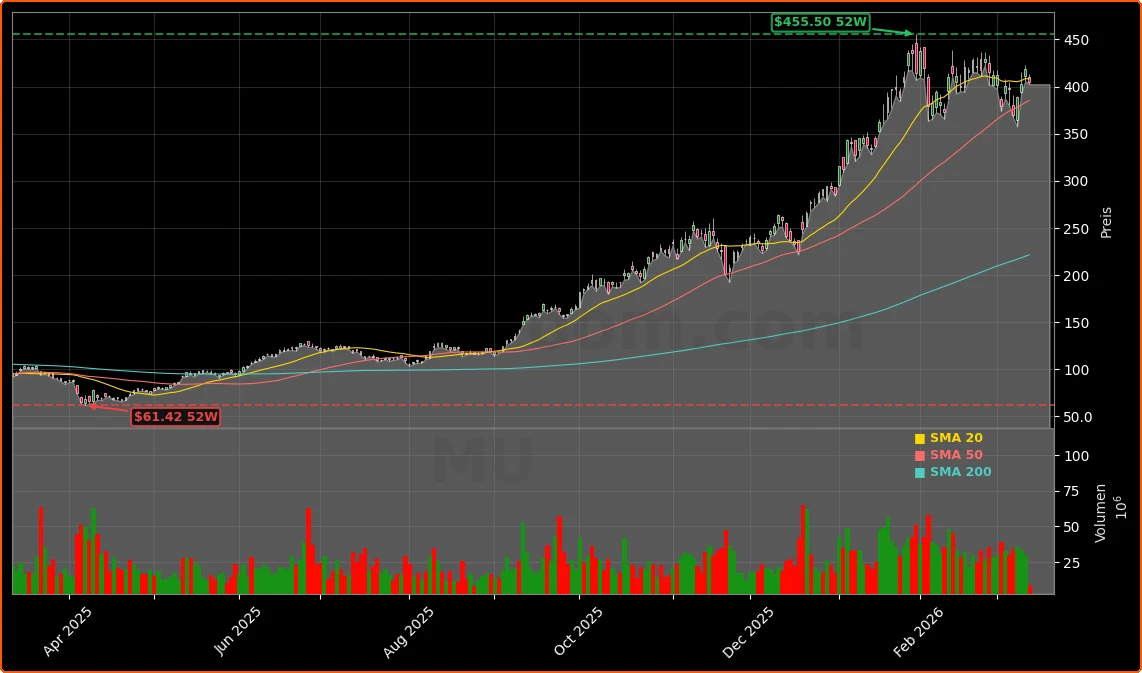
This scarcity gives Micron unusual pricing power. Analysts now expect double-digit percentage increases in DRAM and NAND pricing through 2026, supported by comments from equipment makers and hyperscale customers about extended lead times. A recent rally in MU shares earlier this week was driven by upward revisions to revenue and EPS forecasts as pricing assumptions were reset higher across Wall Street models.
On the demand side, AI infrastructure spending remains intense. Big cloud and consumer internet platforms are not only deploying GPUs from NVIDIA and custom accelerators, but also locking in multi-year memory supply agreements. For Micron, that translates into high factory utilization, richer product mix and improving operating efficiency across DRAM, NAND and advanced packaging.
How does Micron stack up against AI chip leaders?
For many U.S. investors, the default AI hardware play has been NVIDIA, followed by accelerator and networking names such as Broadcom and AMD. Micron offers a different, arguably safer angle on AI: it sells into nearly every major GPU and AI server configuration without taking direct bets on which model or platform wins. Whether OpenAI, Anthropic, Meta or other cloud players gain share, they all need more memory bandwidth.
Compared with Asian rivals Samsung and SK Hynix, Micron benefits from its U.S. domicile and diversified manufacturing footprint. A larger share of its output comes from U.S. facilities, making it less exposed to choke points like the Strait of Hormuz and enhancing its appeal as a secure supplier for Western governments and defense contracts. Geopolitical fragmentation and export controls are increasingly turning Micron’s U.S. status into a competitive asset rather than a cost disadvantage.
On Wall Street, Micron is now vying with Broadcom for leadership in the chip sector’s performance tables, even as traders debate whether the stock can follow a similar trajectory to NVIDIA over the next decade. Some analysts argue that if Micron can sustain 50–55% gross margins and low-teens annual revenue growth beyond 2027, the market could start to value the business more like a differentiated platform than a commodity supplier.
What are analysts and institutions signaling now?
Institutional flows into MU have been active. Franklin Resources recently trimmed its Micron stake by roughly 23%, but still holds more than $300 million in the name, illustrating how some long-only managers are rebalancing after substantial gains rather than exiting the Micron Technology AI Memory story outright. At the same time, several large funds and at least one member of Congress have reported fresh purchases, underscoring continued conviction in the long-term AI memory theme.
Sell-side sentiment remains firmly positive. Multiple firms have raised price targets into the $480–$500 range, with some top-down strategists arguing that the stock is still underpriced relative to its earnings power under current AI demand scenarios. Research houses highlight HBM being sold out through 2026, robust data center margins above 50%, and a growing contribution from high-value cloud memory contracts. While individual banks like Goldman Sachs, Morgan Stanley or Citigroup may differ on exact targets, the consensus rating is clustered in the buy/strong buy band.
Looking ahead, Micron is ramping new fabs in Idaho and advanced packaging capacity in Singapore, though most of that supply will not materially hit the market until 2027–2028. Until then, the Micron Technology AI Memory cycle is likely to remain constrained by manufacturing and packaging bottlenecks, supporting elevated prices. For investors, upcoming quarterly results and guidance updates will be crucial in confirming whether the current hypercycle transitions into a durable structural upshift rather than another boom-and-bust phase.
Conclusion
In summary, Micron Technology AI Memory stands at the center of the generative AI build-out, combining scarce HBM capacity, expanding margins and a still-modest valuation by AI standards. For U.S. portfolios seeking diversified exposure beyond headline GPU names, Micron offers a levered play on AI infrastructure with improving visibility and geopolitical tailwinds. The next few quarters will show whether management can convert this hypercycle into a lasting upgrade in returns, but for now the company looks well positioned to remain a core AI memory supplier across the NASDAQ and S&P 500 universe.
Further Reading
- Micron Technology, Inc. (MU) Stock Price, News, Quote & History (Yahoo Finance)
- Micron Technology: HBM Sold Out For 2026, Wall Street Is Still Underpricing (Seeking Alpha)
- Where Will Micron Stock Be by 2030? (The Motley Fool)
- Franklin Resources Inc. Reduces Stock Position in Micron Technology, Inc. (MarketBeat)