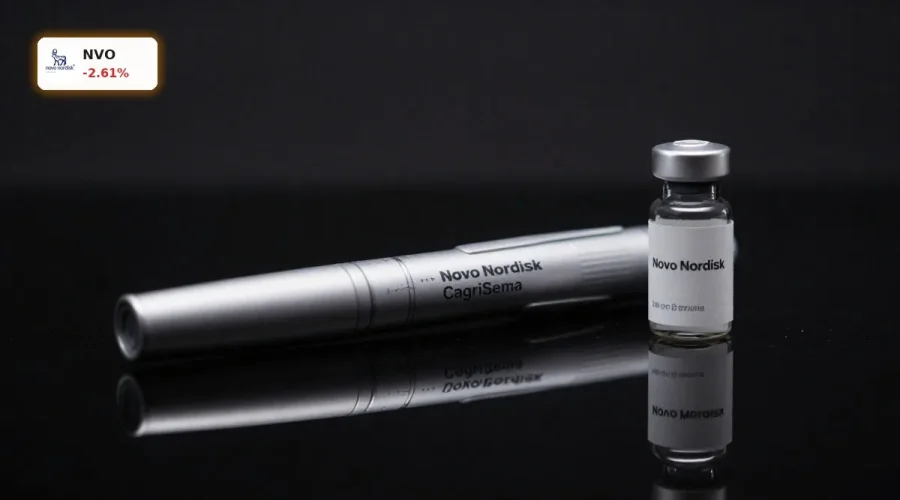
Is the CagriSema shock for Novo Nordisk just a painful setback or the beginning of a deeper structural break?
How Hard Does the CagriSema Shock Hit Novo Nordisk?
The trigger for the stock drama is the setback with Novo Nordisk CagriSema, a combination drug of semaglutide and cagrilintide. In the Phase 3 study REDEFINE-4, the drug failed to outperform Eli Lilly’s rival Zepbound in weight reduction. Instead of the hoped-for breakthrough, CagriSema delivered only lower or comparable effects—a severe blow to its positioning as a next-generation obesity treatment.
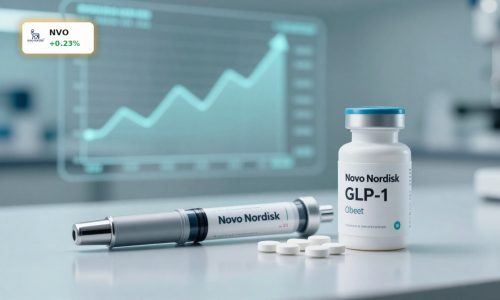
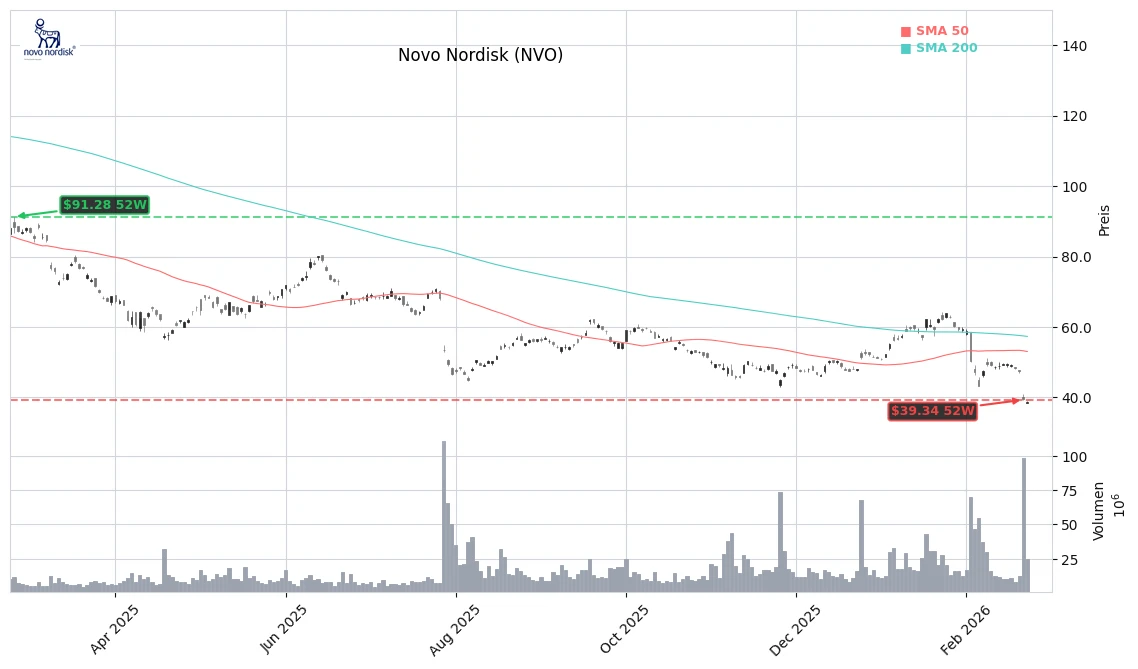
On the stock market, this led to panic selling: Shares plummeted by nearly 20% on Monday, with ADRs losing up to 16% and falling to levels last seen in 2021. Currently priced at $38.59, they are significantly below previous highs, marking a clear break in the long-term upward trend. The selling pressure continued on Tuesday with an additional drop of around 3%.
Particularly alarming: Analysts initially estimated the revenue potential of Novo Nordisk CagriSema at around $12 billion annually. Following the study flop, this potential has now been drastically reduced to about $2 billion. This means the company loses a key component for the period after semaglutide.
How Are Analysts Responding to Novo Nordisk?
The negative study results for Novo Nordisk CagriSema have triggered a wave of downgrades. Several major investment banks have revised their price targets down by as much as a third and withdrawn previous buy recommendations. Estimates suggest that the long-term EPS growth expected to be 8% per year from 2027 to 2031 could fall to around 5%.
For example, Barclays has significantly lowered its revenue forecasts for the obesity and type 2 diabetes sectors, citing a “weak pipeline” that makes Novo Nordisk vulnerable without new blockbusters. The price target was reduced from 340 to 270 Danish kroner—only about 10% above the current level in Copenhagen. Other firms are also adjusting their models after it became clear that CagriSema could not compete with Zepbound or Eli Lilly’s drug tirzepatide.
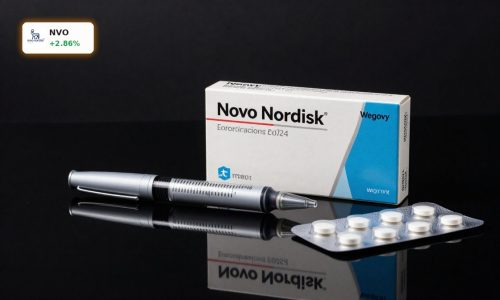
At the same time, more optimistic voices point to opportunities with Oral Wegovy, the new tablet version of semaglutide. This could drive growth, especially outside the U.S., thanks to greater convenience and strong efficacy, once further approvals are obtained. While the core business remains intact, the valuation premium for what seemed like an unassailable market leadership has temporarily vanished.
What Does the Price War Mean for Wegovy and Ozempic?
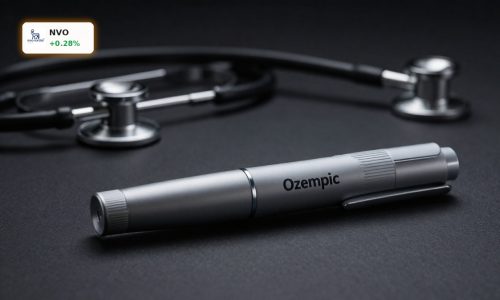
In parallel to the shock surrounding Novo Nordisk CagriSema, the company is igniting a price war in the lucrative GLP-1 market. Starting January 1, 2027, Novo Nordisk plans to significantly reduce U.S. list prices for Wegovy and Ozempic. Both products will then be listed at $675 per month—about half of the current Wegovy price and roughly a third less than Ozempic. The adjustment also applies to oral formats like Rybelsus.
The management officially justifies the move as aimed at improving access for patients with high out-of-pocket costs and increasing real affordability. In reality, however, Novo Nordisk is intensifying competition with Eli Lilly, whose Zepbound is currently considered more effective and has already surpassed it in market share. Net revenues could come under pressure, even though existing rebate structures and direct cash price programs ($149 to $499 monthly) are expected to remain unchanged for now.
The market’s reaction has been muted: Both Novo Nordisk’s stock and Eli Lilly’s shares fell after the announcement of the price cuts. Investors fear structural margin erosion in a market that, while expected to grow from around $72 billion to an estimated $139 billion by 2030, is now clearly facing increased price pressure.
At least Novo Nordisk is working to ensure that the CagriSema issue is not left unattended. A new Phase 3 study with a higher dosage is on the table to achieve better results. Until then, Novo Nordisk CagriSema remains a symbol of the abrupt reality check for a growth story previously considered untouchable.
Our hope is that lower prices will lead to better access and greater affordability.
— Jamey Millar, Executive Vice President US Operations of Novo Nordisk
Bottom Line
The combination of the study flop with Novo Nordisk CagriSema and the announced price war for Wegovy and Ozempic forces the company into a painful reassessment. For investors, this means: The story remains intact, but without the previous valuation premium and with significantly higher execution risk. The key question now is whether Oral Wegovy and a potential new CagriSema study can restore confidence in growth starting in 2027.
Related Sources
- Novo Nordisk A/S (NVO) on Yahoo Finance (Yahoo Finance)
- Novo Nordisk downgraded as CagriSema trial flops (Proactive Investors)
- Novo Nordisk to slash Wegovy, Ozempic U.S. list prices (Reuters)
- Ozempic And Wegovy Prices Will Be Cut Next Year (Forbes)