Can the aggressive NVIDIA AI Strategy in data centers, deals and ecosystem bets really sustain trillion‑dollar growth expectations?

How central is NVIDIA to the AI data center build‑out?
Most large‑scale artificial intelligence workloads now run inside hyperscale data centers built around parallel processors, and NVIDIA remains the clear performance and share leader. Its GPUs and complete systems sit at the heart of AI training and inference clusters, while its CUDA software stack and AI Enterprise tools keep developers tightly bound to the platform. CEO Jensen Huang recently sketched an industry roadmap where annual AI infrastructure spending could reach $3 trillion to $4 trillion by 2030, up from roughly $1 trillion today, underscoring why the NVIDIA AI Strategy is so tightly focused on data center dominance.
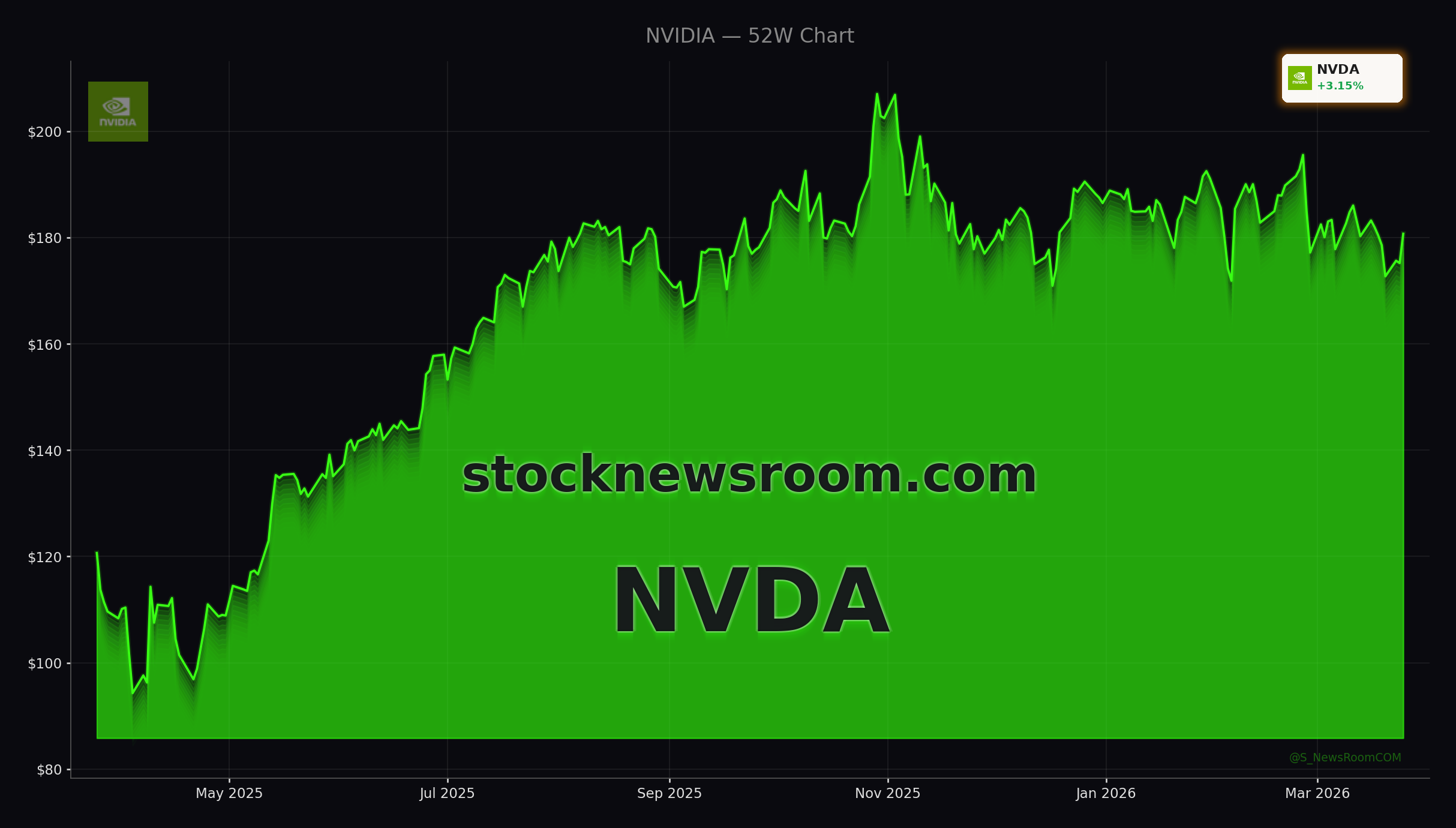
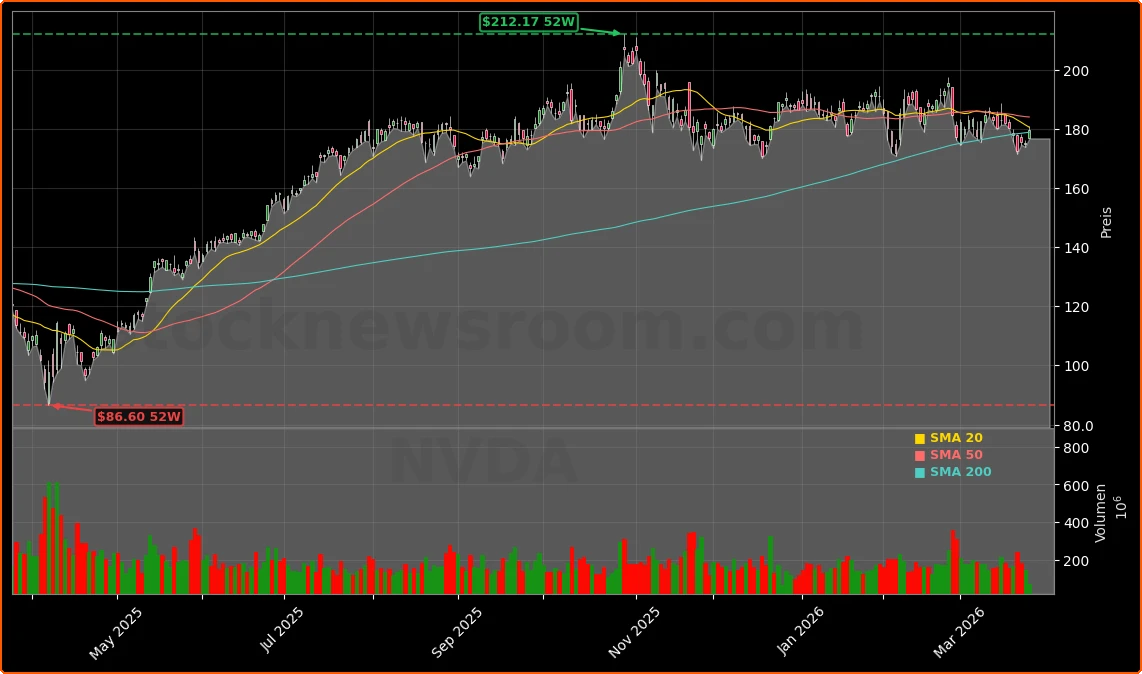
Wall Street’s concern is less about technology and more about longevity of demand. AI stocks have cooled after their initial melt‑up, and NVDA is more than 15% off its highs despite a blowout year with revenue growth north of 70% and earnings expected to compound above 50% annually over the next two years. Yet the company keeps booking multi‑year deals, including what industry observers estimate as tens of billions of dollars in GPU orders from hyperscalers, suggesting that the AI capex cycle is far from over.
What does the Groq deal say about NVIDIA AI Strategy?
A pivotal move in the NVIDIA AI Strategy was the roughly $20 billion acquisition of Groq’s AI chip technology and many of its key employees — effectively an acqui‑hire of a once‑prominent rival in ultra‑fast inference. Rather than allow a differentiated architecture to mature outside its orbit, NVIDIA pulled Groq’s capabilities in‑house, signaling it intends to dominate not just training but also inference silicon, the next huge profit pool as AI models move from labs into production services.
This mirrors a broader pattern: NVIDIA increasingly uses its balance sheet to neutralize risk and amplify demand. It has poured billions into AI‑native cloud providers like CoreWeave, which committed to sell multiple generations of its chips while relying on NVIDIA capital to expand new data centers. It anchored a roughly $2 billion funding round for Reflection, an open‑source model startup using large clusters of NVIDIA GPUs, effectively turning the company into a quasi‑business arm. These moves extend the NVIDIA AI Strategy beyond product cycles into long‑term ecosystem control.
How do SLB and sector deals broaden NVIDIA’s reach?
The most recent expansion of the NVIDIA AI Strategy is playing out in traditional industries. Oilfield services giant SLB has deepened its collaboration with NVIDIA to become the modular design partner for DSX AI factories — standardized, off‑site built data center blocks that can be rapidly deployed for energy customers. Together they are designing an “AI Factory for Energy,” a reference environment that runs domain‑specific generative and agentic AI models on SLB’s digital platforms to turn subsurface, production and grid data into operational insights.
Beyond SLB, the strategy is similar in power and infrastructure. Eaton, for example, has highlighted how AI‑driven electricity demand from data centers and a partnership with NVIDIA should support long‑term growth in grid and power equipment. Meanwhile, robotics and renewable projects such as Maximo’s 100‑MW robotic solar installation are being built on NVIDIA‑powered AI stacks in the cloud. For US portfolios, this underscores that the NVIDIA AI Strategy is increasingly a horizontal play across energy, utilities, and industrial automation — not just a bet on hyperscalers and consumer internet.
Can NVIDIA defend its moat against AMD, Intel and Arm?
Competition, however, is intensifying. Advanced Micro Devices is gradually gaining share with its own AI accelerators, while Broadcom and custom silicon units at the likes of Alphabet are targeting high‑volume, high‑margin workloads. Arm is partnering with Meta on its own AI chips and pushing energy‑efficient CPUs that can complement or displace parts of traditional GPU‑centric architectures in agentic AI workflows. Intel is pursuing an aggressive AI CPU pricing and product strategy aimed at reclaiming relevance in the data center.
Still, NVIDIA’s full‑stack approach — integrating GPUs, CPUs, networking, and a rich software library — gives it a system‑level cost‑of‑ownership edge. Recent industry comparisons show NVIDIA posting a price‑to‑earnings ratio of roughly 36, actually below the semiconductor peer average, while delivering a return on equity above 30%, EBITDA above $50 billion and revenue growth above 70%. Debt‑to‑equity near 0.07 leaves room for further strategic deals if competitive threats escalate. Analysts at major Wall Street houses like Morgan Stanley and Goldman Sachs continue to highlight the company as the core AI infrastructure holding, even as they warn that volatility will remain elevated.
Is the current share price attractive for US investors?
At about $179.63, NVDA trades around 21–37 times forward and adjusted earnings, depending on the time frame and methodology — a premium to the S&P 500 but not extreme relative to its growth trajectory. Several research shops see 50% upside based on median price targets near $265, implying that today’s consolidation phase could be an entry point if AI capex forecasts hold up. The stock has been range‑bound since its split and recent geopolitical shocks, yet earnings per share have surged, driving its forward P/E to multi‑year lows.
For diversified US investors, NVDA is already a top‑three weight in many tech ETFs, sitting alongside Apple and Microsoft. Equal‑weight S&P 500 products dilute that concentration, but most growth‑tilted portfolios still live and die by these mega‑caps. That makes understanding the NVIDIA AI Strategy — from Groq and core data centers to SLB, energy and robotics — critical to assessing overall tech exposure.
Related Coverage
For a deeper dive into how AI data centers and sovereign cloud demand could fuel the next leg of growth, including renewed China orders, see NVIDIA AI Factories Boom as $50B China Demand Returns. Investors comparing chipmakers’ approaches to the CPU side of the data center stack can read Intel AI CPU Strategy +6.8%: Can Pricing Power Last?, which breaks down how Intel’s pricing tactics intersect with NVIDIA’s GPU‑centric roadmap.
In sum, the NVIDIA AI Strategy is evolving from selling best‑in‑class GPUs to orchestrating a global AI infrastructure ecosystem that spans hyperscalers, energy, power and robotics. For Wall Street, that means NVDA remains a cornerstone AI exposure, but one whose fortunes are increasingly tied to multi‑trillion‑dollar capex cycles and the company’s ability to stay ahead of rising competitive firepower. The next few quarters of data center orders and vertical partnerships will show whether this strategy can keep powering both earnings and the share price higher.