NVIDIA AI Strategy Record: $1 Trillion Data Center Boom

FEATURED STOCK NVDA NVIDIA
Close $182.74 -0.24% Mar 17, 2026 2:48 PM ET
View full NVDA profile: Chart, Key Stats, All Articles →
VIEW FULL NVDA PROFILE: CHART, KEY STATS, ALL ARTICLES →
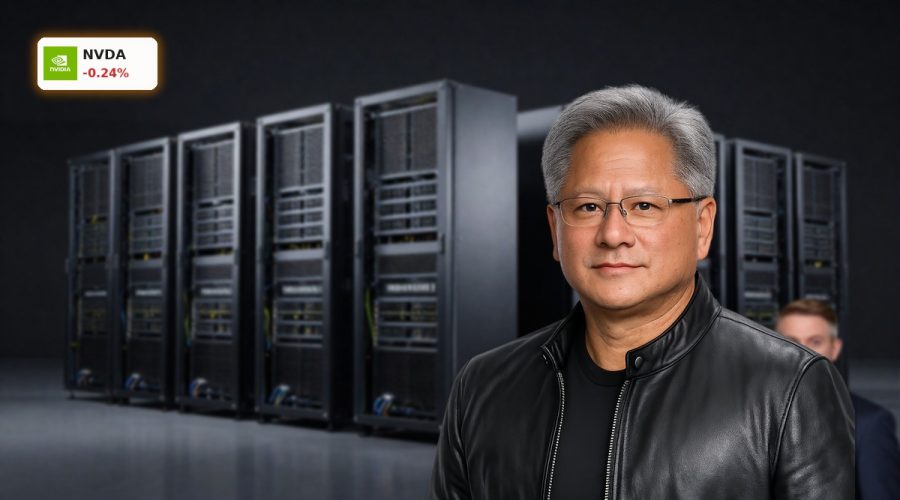
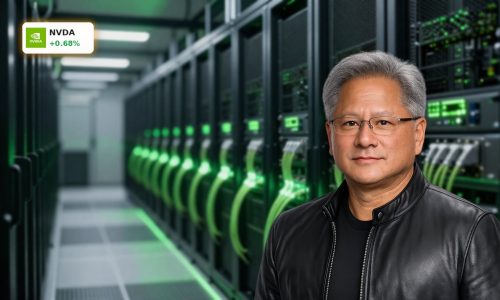
NVIDIA AI Strategy highlighted by Blackwell and Vera Rubin data center servers in a premium rack-scale setup
{ “@context”: “https://schema.org”, “@type”: “NewsArticle”, “headline”: “NVIDIA AI Strategy Record: $1 Trillion Data Center Boom”, “description”: “NVIDIA AI Strategy now targets $1T data center sales by 2027 as Blackwell and Vera Rubin expand its full-stack AI factory model.”, “author”: { “@type”: “Organization”, “name”: “Stock Newsroom” }, “publisher”: { “@type”: “Organization”, “name”: “Stock Newsroom”, “logo”: { “@type”: “ImageObject”, “url”: “https://stocknewsroom.com/logo.png” } }, “about”: [ { “@type”: “Organization”, “name”: “NVIDIA Corporation”, “tickerSymbol”: “NVDA” } ] } :root { –mag-cream: #fdfbf7; –mag-sand: #f5f2ed; –mag-charcoal: #2d2d2d; –mag-graphite: #4a4a4a; –mag-stone: #7a7a7a; –mag-gold: #c9a962; –mag-emerald: #1d7a5f; –mag-ruby: #b34044; } .mag-article { max-width: 800px; margin: 0 auto; padding: 40px 24px; font-family: Georgia, serif; background: var(–mag-cream); } .mag-title { font-size: 42px; font-weight: 500; line-height: 1.15; color: var(–mag-charcoal); margin-bottom: 20px; } .mag-einleitung { font-size: 21px; line-height: 1.6; color: var(–mag-graphite); margin-bottom: 24px; font-style: italic; border-left: 3px solid var(–mag-gold); padding-left: 20px; } .mag-einleitung::first-letter { font-size: 72px; float: left; line-height: 0.8; padding-right: 14px; padding-top: 6px; color: var(–mag-gold); font-weight: 600; font-family: Georgia, serif; font-style: normal; } figure.mag-hero, .mag-hero { width: 100%; max-width: 100%; margin: 0 0 24px 0 !important; padding: 0; } figure.mag-hero img, .mag-hero img { width: 100%; height: auto; display: block; } figure.mag-hero figcaption { display: none; } .mag-chart { width: 100%; max-width: 100%; margin: 32px 0; padding: 0; } .mag-chart img { width: 100%; max-width: 100%; height: auto; display: block; border-radius: 6px; box-shadow: 0 2px 8px rgba(0,0,0,0.1); } .mag-chart figcaption { font-family: -apple-system, sans-serif; font-size: 12px; color: var(–mag-stone); text-align: center; margin-top: 8px; } /* TICKER-ROW SYSTEM */ .ticker-section-title { font-family: -apple-system, sans-serif; font-size: 11px; font-weight: 600; letter-spacing: 2px; text-transform: uppercase; color: var(–mag-stone); margin-bottom: 12px; } .ticker-row { display: flex; flex-direction: column; gap: 8px; margin-bottom: 24px; } /* V23: LOGO-CARD STYLING (3-Zeilen – Kurse untereinander) */ .ticker-item { display: flex; align-items: flex-start; gap: 16px; padding: 16px 20px; border-radius: 8px; text-decoration: none; transition: all 0.2s ease; } .ticker-item:hover { filter: brightness(1.08); transform: translateY(-1px); } /* V23: Logo-Container */ .ticker-logo { width: 56px; height: 56px; flex-shrink: 0; background: white; border-radius: 12px; padding: 8px; display: flex; align-items: center; justify-content: center; box-shadow: 0 2px 8px rgba(0,0,0,0.15); } .ticker-logo img { width: 100%; height: 100%; object-fit: contain; } /* Fallback wenn kein Logo */ .ticker-logo-fallback { width: 56px; height: 56px; flex-shrink: 0; background: rgba(255,255,255,0.15); border-radius: 12px; display: flex; align-items: center; justify-content: center; font-family: ‘JetBrains Mono’, monospace; font-size: 14px; font-weight: 700; color: rgba(255,255,255,0.9); letter-spacing: 0.5px; } /* V23: Content rechts vom Logo – 3 Zeilen */ .ticker-content { flex: 1; display: flex; flex-direction: column; gap: 3px; position: relative; } /* V26: Kurs-Zeile – Preis + Change gleiche Höhe + gleiche Größe */ .ticker-price-row { display: flex; flex-wrap: nowrap; align-items: center; gap: 12px; position: relative; } .ticker-label { font-family: -apple-system, sans-serif; font-size: 11px; color: rgba(255,255,255,0.7); text-transform: none; min-width: 55px; } .ticker-price { font-family: ‘JetBrains Mono’, monospace; font-size: 20px; font-weight: 600; color: #fff; white-space: nowrap; } .ticker-change { font-family: ‘JetBrains Mono’, monospace; font-size: 20px; font-weight: 600; white-space: nowrap; } .ticker-time { margin-left: auto; } .ticker-time { font-family: -apple-system, sans-serif; font-size: 11px; color: rgba(255,255,255,0.55); text-align: right; } /* V26: Symbol als Wasserzeichen – 200px weiter links */ .ticker-watermark { position: absolute; left: 140px; top: 50%; transform: translateY(-50%); font-family: ‘JetBrains Mono’, monospace; font-size: 60px; font-weight: 800; color: rgba(255,255,255,0.10); letter-spacing: 3px; pointer-events: none; white-space: nowrap; } /* V23: Zeile 2 – Außerbörslich (gleiche Größe wie Zeile 1) */ .ticker-price-row.extended { opacity: 0.9; } .ticker-price-row.extended .ticker-price { font-size: 15px; } .ticker-price-row.extended .ticker-change { font-size: 12px; } /* V26: Einzelne Zeile – Preis + Change gleiche Größe */ .ticker-item.single-row .ticker-price-row { padding: 8px 0; } .ticker-item.single-row .ticker-label { font-size: 13px; min-width: 55px; } .ticker-item.single-row .ticker-price { font-size: 26px; } .ticker-item.single-row .ticker-change { font-size: 26px; } .ticker-item.single-row .ticker-time { font-size: 12px; } .ticker-item.single-row .ticker-name { font-size: 13px; margin-top: 8px; } /* V23: Zeile 3 – Firmenname (ganz unten, kompakt) */ .ticker-name { font-family: -apple-system, sans-serif; font-size: 11px; color: rgba(255,255,255,0.6); white-space: nowrap; overflow: hidden; text-overflow: ellipsis; max-width: 350px; margin-top: 4px; } .change-up { color: #a7f3d0; } .change-down { color: #fecaca; } /* Gruen Gradients */ .ticker-item.up-1 { background: linear-gradient(135deg, #10b981 0%, #059669 100%); } .ticker-item.up-2 { background: linear-gradient(135deg, #059669 0%, #047857 100%); } .ticker-item.up-3 { background: linear-gradient(135deg, #047857 0%, #065f46 100%); } .ticker-item.up-4 { background: linear-gradient(135deg, #065f46 0%, #064e3b 100%); } /* Rot Gradients */ .ticker-item.down-1 { background: linear-gradient(135deg, #f87171 0%, #ef4444 100%); } .ticker-item.down-2 { background: linear-gradient(135deg, #ef4444 0%, #dc2626 100%); } .ticker-item.down-3 { background: linear-gradient(135deg, #dc2626 0%, #b91c1c 100%); } .ticker-item.down-4 { background: linear-gradient(135deg, #b91c1c 0%, #991b1b 100%); } .ticker-item.down-5 { background: linear-gradient(135deg, #991b1b 0%, #7f1d1d 100%); } /* Neutral */ .ticker-item.neutral { background: linear-gradient(135deg, #6b7280 0%, #4b5563 100%); } /* Artikel Content */ .mag-content { font-size: 19px; line-height: 1.8; color: var(–mag-graphite); margin-bottom: 24px; } .mag-content p { margin: 0 0 20px 0; } .mag-content p:last-child { margin-bottom: 0; } .mag-dropcap::first-letter { font-size: 72px; float: left; line-height: 0.8; padding-right: 14px; padding-top: 6px; color: var(–mag-gold); font-weight: 600; font-family: Georgia, serif; } .mag-quote { margin: 40px 0; padding: 32px; background: #fff; border-left: 4px solid var(–mag-gold); position: relative; } .mag-quote::before { content: ‘”‘; font-size: 100px; line-height: 1; position: absolute; top: 10px; left: 24px; color: var(–mag-sand); font-family: Georgia, serif; } .mag-quote blockquote { font-size: 24px; line-height: 1.5; font-style: italic; position: relative; z-index: 1; margin: 0 0 12px 0; padding: 0; border: none; } .mag-quote cite { font-family: -apple-system, sans-serif; font-size: 14px; font-style: normal; color: var(–mag-stone); } .mag-fazit { background: var(–mag-sand); padding: 24px; margin: 32px 0; } .mag-fazit-title { font-family: -apple-system, sans-serif; font-size: 12px; font-weight: 600; letter-spacing: 0.5px; text-transform: uppercase; color: var(–mag-gold); margin-bottom: 12px; } .mag-fazit p { margin: 0; } .ext-links-sidebar { background: #f5f2ed; padding: 24px; margin: 32px 0; } .ext-links-sidebar .sidebar-header { font-weight: 600; font-size: 12px; text-transform: uppercase; letter-spacing: 0.5px; color: #c9a962; margin-bottom: 12px; } .ext-links-sidebar ul { list-style: none; margin: 0; padding: 0; } .ext-links-sidebar li { margin-bottom: 10px; } .ext-links-sidebar a { display: flex; align-items: center; color: #0066cc; text-decoration: none; font-size: 14px; } .ext-links-sidebar a:hover { text-decoration: underline; } .ext-links-sidebar .link-icon { width: 20px; height: 20px; margin-right: 10px; display: flex; align-items: center; justify-content: center; background: white; border-radius: 4px; font-size: 12px; font-weight: 600; flex-shrink: 0; } .ext-links-sidebar .link-icon.yt-icon { background: #ff0000; color: white; } .ext-links-sidebar .link-icon.wiki-icon { background: #000; color: white; } .ext-links-sidebar .link-icon.yahoo-icon { background: #6001d2; color: white; } .ext-links-sidebar .link-source { font-size: 11px; color: #888; margin-left: 8px; } @media (max-width: 768px) { .mag-title { font-size: 28px; } .mag-content { font-size: 17px; } .ticker-symbol { font-size: 15px; min-width: 60px; } .ticker-price { font-size: 15px; min-width: 75px; } .ticker-logo, .ticker-logo-fallback { width: 48px; height: 48px; } .ticker-name { max-width: 250px; } } @media (max-width: 500px) { .ticker-time { display: none; } } .mag-autor-avatar { width: 48px; height: 48px; border-radius: 50%; object-fit: cover; flex-shrink: 0; border: 2px solid var(–mag-gold); } .mag-autor-info { display: flex; flex-direction: column; gap: 2px; } .mag-autor-name { font-family: -apple-system, sans-serif; font-size: 15px; font-weight: 600; color: var(–mag-charcoal); } .mag-autor-rolle { font-family: -apple-system, sans-serif; font-size: 12px; color: var(–mag-stone); font-weight: 400; }

Can the NVIDIA AI Strategy really sustain a trillion‑dollar data center boom, or is Wall Street already pricing in perfection?

[fxmag_hero_image]

How is NVIDIA reshaping its AI roadmap?

NVIDIA Corporation used its GTC keynote to signal that the NVIDIA AI Strategy is shifting from a GPU‑only narrative to full AI factories spanning compute, networking, storage and software. Huang said firm orders and highly visible demand for the Blackwell and Vera Rubin platforms now support at least $1 trillion in cumulative data center sales through 2027, up from a prior $500 billion view that only ran to 2026.

The roadmap centers on Blackwell‑based GB200 systems rolling out now and the Vera Rubin architecture, due in the second half of 2026, which combines GPUs, new Vera CPUs, NVLink, BlueField DPUs and advanced optics into rack‑scale systems. NVIDIA is also integrating Groq 3 LPUs for ultra‑low‑latency inference and launching agent‑focused stacks like NemoClaw and OpenClaw to cut cost per token by up to an order of magnitude. The message to hyperscalers and enterprises is clear: buy the entire AI stack from NVIDIA, not just accelerators.

Why does the NVIDIA AI Strategy matter for stock valuations?

Despite 73% year‑over‑year revenue growth to $68 billion last quarter and guidance for $78 billion next quarter, NVDA shares have been range‑bound since last year’s 10‑for‑1 split and currently sit near $182, slightly below Monday’s close of $182.78. The muted reaction to GTC reflects how much optimism is already priced in after a 50% 12‑month gain and a market cap above $4.4 trillion, even as the forward P/E hovers around 22, only modestly above the S&P 500.

Major Wall Street houses nonetheless see further upside. Bank of America, Citi and JPMorgan all reiterated Buy ratings and $300 price targets following the keynote, arguing that the expanded $1 trillion outlook suggests Street models for 2026–27 are too low. TD Cowen and Bernstein also keep Outperform ratings, framing the stock’s six‑month consolidation as a pause after years of outsized gains rather than a fundamental crack in the NVIDIA AI Strategy.
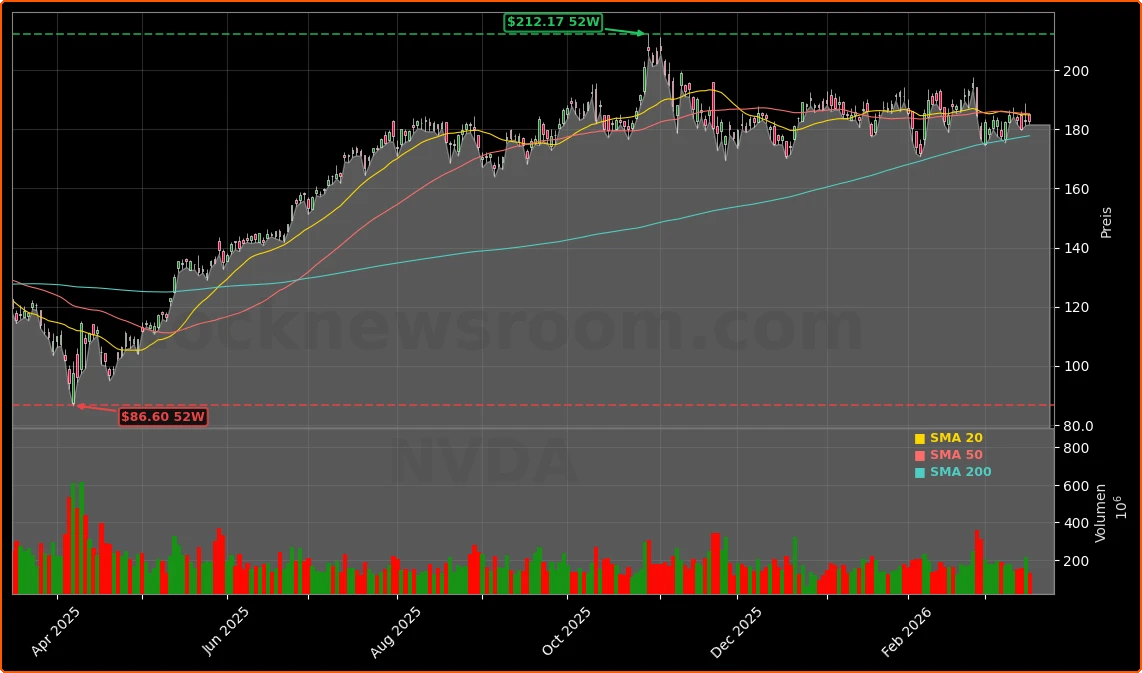
NVIDIA Corporation Aktienchart - 252 Tage Kursverlauf - Maerz 2026

How is NVIDIA competing with AMD and other chipmakers?

While Advanced Micro Devices is ramping its MI300 and upcoming MI450 accelerators and Venice CPUs, NVIDIA still commands an estimated mid‑80s percentage share of the AI data center GPU market, with all of its 2026 data center capacity effectively sold out. In the latest fiscal year, NVIDIA generated $216 billion in revenue, the vast majority AI‑related, and $96.6 billion in free cash flow, dwarfing rivals’ data center businesses.

The NVIDIA AI Strategy aims to defend that lead by locking in ecosystems. Recent moves include a co‑packaged optics push with Lumentum and Coherent, a new 800V AI power architecture with Texas Instruments, and a reference “AI Grid” architecture with Hewlett Packard Enterprise for distributed inference at the edge. At the same time, Huang emphasized continued use of both copper and optical networking, signaling a pragmatic approach to scaling bandwidth while suppliers catch up.

Where does NVIDIA see the next leg of AI demand?

Huang framed inference and “physical AI” as the next trillion‑dollar waves. Beyond cloud training clusters, NVIDIA is targeting autonomous vehicles, industrial robotics and telco edge compute as new outlets for its platforms. Partnerships with Uber, BYD, Geely, Nissan, Hyundai and Isuzu extend the DRIVE Hyperion stack into Level 4 robotaxis and self‑driving buses, with plans for a 100,000‑vehicle robotaxi network on Uber’s platform by 2027.

Telecom collaborations with T‑Mobile US and Nokia aim to turn 5G cell sites into distributed edge AI nodes, while Jacobs is using NVIDIA’s Omniverse and digital twin technology to design gigawatt‑scale AI data centers before they’re built. Even industrial software firm PTC is tapping NVIDIA to accelerate robot design and testing in simulation. All of these moves are designed to embed the NVIDIA AI Strategy deep into how real‑world AI agents are trained, deployed and monetized.

AI infrastructure is no longer just about access to GPUs. It has evolved into maximizing economic output per accelerator.
— Kevin Deierling, SVP Networking, NVIDIA
Conclusion

For U.S. investors, the conclusion is straightforward: NVIDIA is betting that controlling the full AI stack—from core data centers to edge networks and autonomous machines—will sustain above‑market growth even as competition and export risks rise. If the NVIDIA AI Strategy delivers on its trillion‑dollar promise and hyperscalers successfully monetize their own AI spending, NVDA’s current consolidation on the NASDAQ could prove a staging area rather than a peak.

Discussion
Loading comments...
ai chips data center news nvda nvda stock nvidia nvidia ai strategy nvidia corporation nvidia-corporation semiconductors
Maik Kemper

Financial journalist and active trader since the age of 18. Founder and editor-in-chief of Stock Newsroom, specializing in equity analysis, earnings reports, and macroeconomic trends.

Related Stories