Can the Oklo Nuclear Strategy turn a pre-revenue reactor startup into a core power supplier for the AI data center boom?

Is Oklo becoming an AI infrastructure stock?
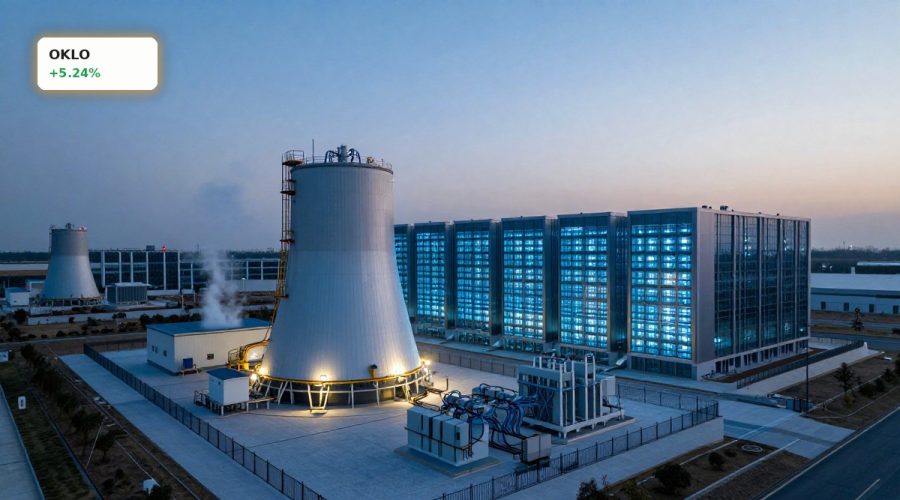
Oklo Inc. is positioning itself less as a conventional nuclear developer and more as an enabler of AI infrastructure. Unlike larger small modular reactor (SMR) peers such as NuScale Power, Oklo is concentrating on compact fast reactors designed to sit next to power-hungry data centers, industrial campuses, and potentially defense facilities. A marquee example is its agreement with Meta Platforms to deliver about 1.2 gigawatts of nuclear capacity by 2030, tailored to support the social media and AI giant’s expanding compute footprint. That focus has turned the Oklo Nuclear Strategy into a cleaner, more direct bet on the long-term electricity needs of generative AI than many traditional power utilities in the S&P 500.
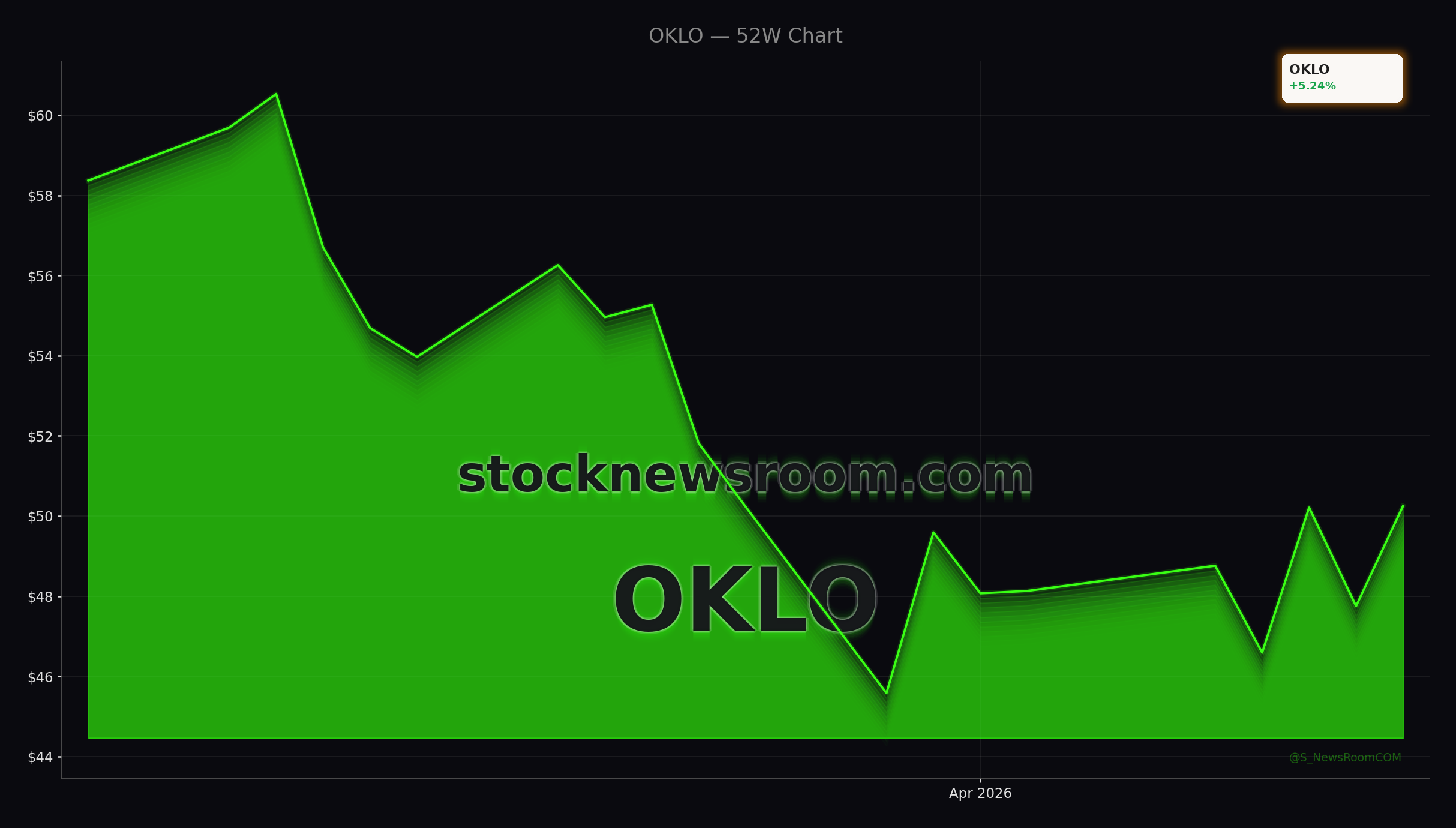
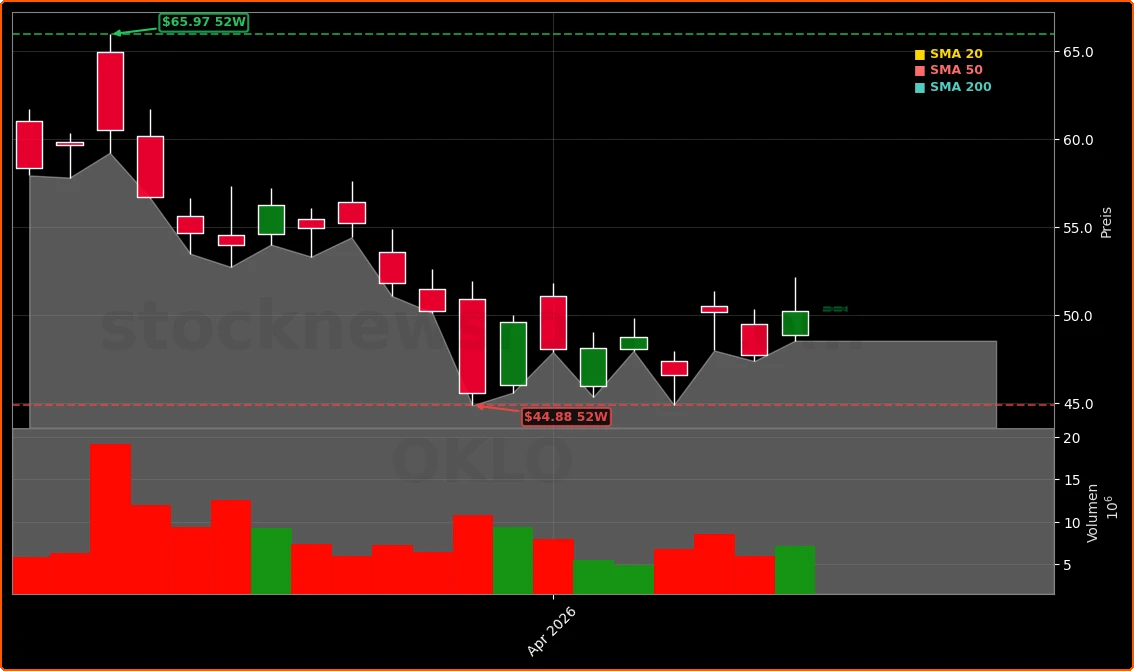
Investors are treating the stock as a high-growth story rather than a yield vehicle. Oklo has no meaningful revenue yet and remains deeply loss-making, but the share price is still up triple digits over the past 12 months even after a sharp pullback from its speculative highs. Recent volatility reflects the tug-of-war between enthusiasm for AI-linked nuclear capacity and concerns over execution risk, valuation, and timelines.
How does Oklo differ from NuScale and legacy utilities?
For U.S. portfolios, the main competitive reference point is NuScale Power, which targets larger grid-scale SMRs often tied to public utilities. Oklo, by contrast, is designing smaller, higher-temperature fast reactors that can deliver dedicated baseload power to tech customers needing 24/7, carbon-free electricity near their campuses. That makes the Oklo Nuclear Strategy more comparable to a specialized infrastructure and technology provider than to conventional nuclear names like Constellation Energy or regulated utilities in the S&P 500 Utilities sector.
Oklo’s expanded collaboration with Sweden’s Blykalla AB underscores this differentiation. Blykalla has committed up to $200 million of potential U.S. investments and is sending engineers to help accelerate Oklo’s fast-reactor commercialization, aiming to shorten the path from blueprint to deployed units. At the same time, Oklo is exploring nuclear fuel recycling, which briefly sent the stock soaring after the company unveiled plans for a dedicated recycling facility. That could, over time, create a vertically integrated fuel cycle—an important element of the broader Oklo Nuclear Strategy if it can lower lifetime costs for large customers like Meta or future partners such as NVIDIA.
What do regulators and insiders signal?
On the regulatory front, Oklo recently secured three notable approvals for its Aurora Powerhouse and for Atomic Alchemy’s Groves Isotopes Test Reactor, moving closer to eventual Nuclear Regulatory Commission (NRC) licensing. While full commercial approval is still outstanding, these steps reduce some technology and safety uncertainty around the company’s designs. Nevertheless, the timeline to first commercial power remains opaque, and any slippage could hit sentiment hard given the stock’s valuation and pre-revenue status.
Insider activity has been another focal point for Wall Street. Over the last several months, executives and key shareholders have sold more than $60 million of stock, with no offsetting insider purchases disclosed. Hedge funds and institutions present a mixed picture: some have added exposure as a speculative AI-energy play, while others, such as Secure Asset Management, have cut their holdings sharply. The selling has fueled doubts about near-term upside just as the Oklo Nuclear Strategy enters a more capital-intensive phase.
How are analysts valuing Oklo’s nuclear plans?
Despite the volatility, brokerage coverage remains broadly constructive. Multiple firms classify Oklo as a “Moderate Buy,” with an average 12‑month price target around $84.30, implying significant upside from the current $50 area. B. Riley Securities, for example, maintains a “Buy” stance with price targets in a wide range among peers, running from roughly $60 on the low end to as much as $125 from the most optimistic analysts. These numbers reflect expectations that Oklo’s AI-linked microreactors could justify a premium multiple relative to more mature energy names.
At the same time, some analysts and quantitative services question whether Oklo’s roughly $8+ billion market capitalization is already discounting highly aggressive growth assumptions. One valuation model suggests the shares are more than 50% undervalued based on long-term earnings potential, while a simple price-to-book comparison makes the stock look expensive for a business with zero current revenue. This split underlines how polarizing the Oklo Nuclear Strategy has become among professionals who usually spend their time modeling cash flows from giants like Apple or Tesla.
What should U.S. investors watch next?
With the stock now about 69% below its previous peak but still dramatically above the levels seen when high-profile commentators urged caution on nuclear names, Oklo sits at the crossroads of narrative and execution. Key catalysts for the next 12–24 months will include further NRC milestones, concrete project timelines and financing structures for the Meta deal, and any additional partnerships with AI or hyperscale players such as cloud divisions of NVIDIA customers. Progress on the fuel recycling initiative and on the Blykalla engineering collaboration will also be watched closely as markers of whether the Oklo Nuclear Strategy can move from concept to industrial reality.
For now, Oklo trades like a speculative growth asset tethered to secular themes—AI, decarbonization, and grid reliability—rather than like a traditional dividend-paying utility. That offers substantial upside if management delivers but comes with commensurate downside if approvals or commercial contracts slip.
In conclusion, the Oklo Nuclear Strategy positions the company at the intersection of AI infrastructure and next‑generation nuclear technology, offering Wall Street a differentiated way to bet on soaring data center power demand. U.S. investors weighing an allocation should balance the strong analyst targets and marquee Meta agreement against regulatory, funding, and execution risks inherent in a pre‑revenue nuclear developer. The next wave of licensing decisions and customer announcements will determine whether Oklo can evolve from a thematic AI play into a durable component of long-term energy portfolios.