Is the Tesla Forecast breaking under slowing EV growth and crash calls, or can AI and SpaceX hype still rewrite the script?

How fragile is the current Tesla Forecast?
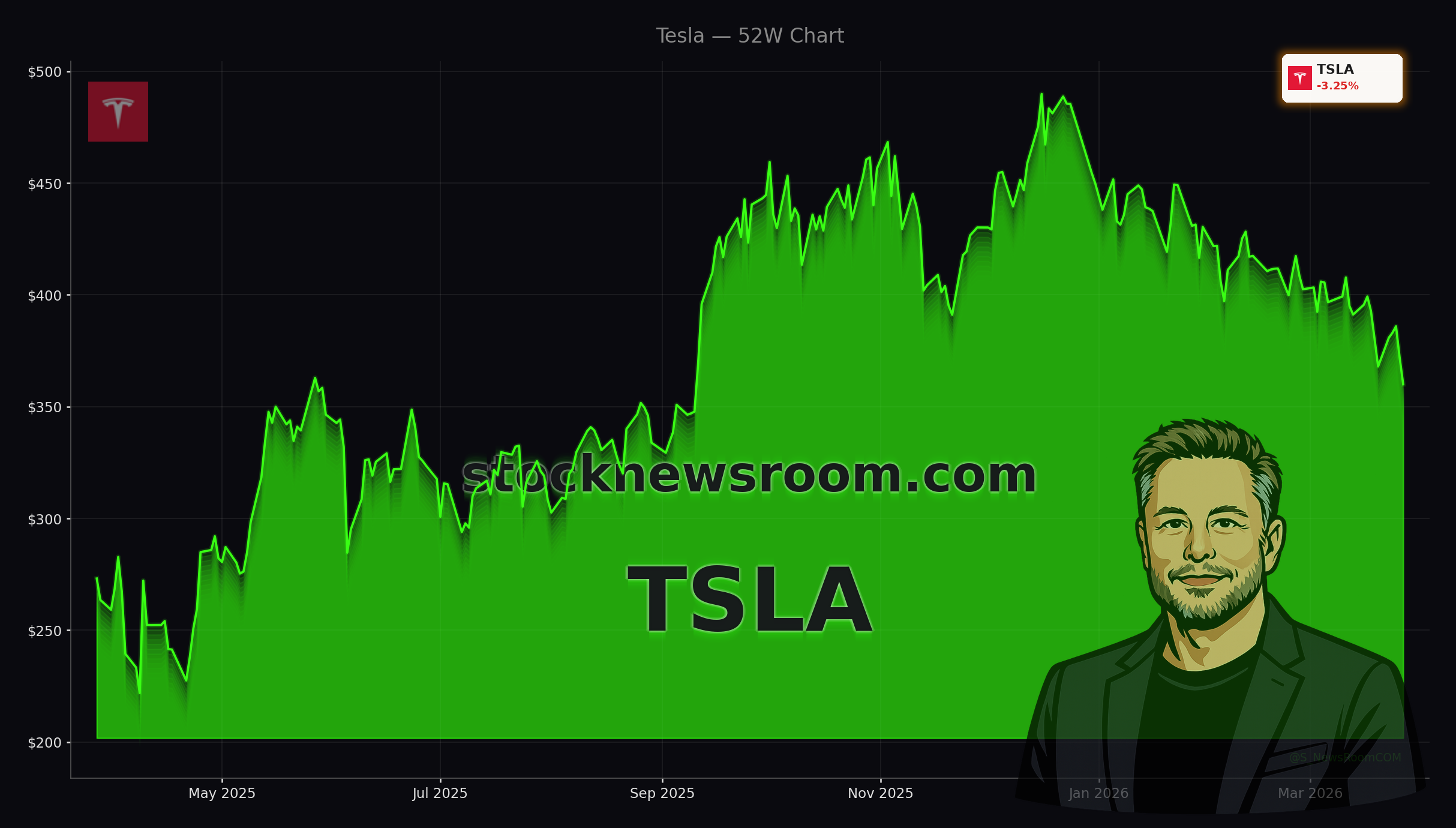
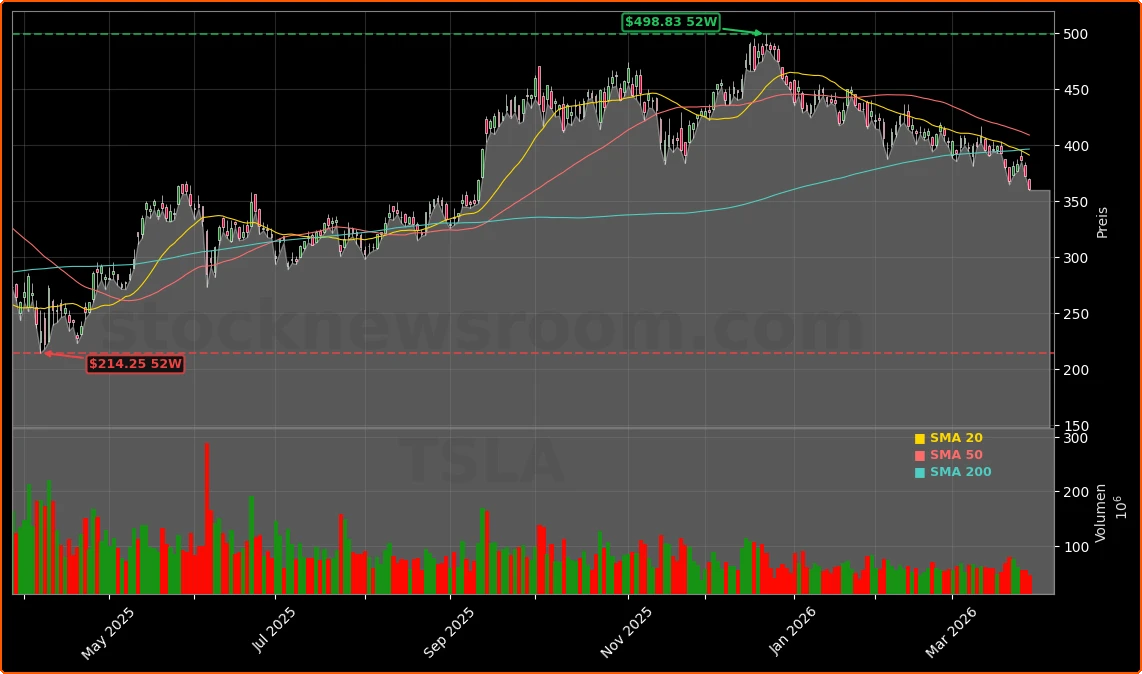
Tesla is on track for a sixth consecutive weekly decline, trading well below its 52‑week high of $498.82 despite still commanding a market cap near $1.2 trillion. Company-compiled analyst estimates point to roughly 365,000–366,000 Q1 deliveries, up about 8–9% year over year but down more than 12% versus Q4 2025’s 418,227 units. That slowdown, combined with Tesla’s first annual delivery decline in 2025 and an 11% drop in Q4 automotive revenue, has turned the Tesla Forecast into one of the most hotly debated calls on the S&P 500.
Street models still imply more than 1.68 million vehicles for 2026 and about 3 million in 2030, but those growth curves are colliding with weakening EV demand in North America, loss of market share in Europe and rising competition from BYD, which sold 2.26 million EVs last year. At the same time, the stock’s P/E above 300 and a price-to-sales ratio near 14 leave little room for execution missteps.
Tesla Forecast versus HSBC crash warning
HSBC analyst Michael Tyndall reaffirmed a bearish stance with a $119 12‑month price target and a “Reduce” (Sell-equivalent) rating, implying roughly 70% downside from current levels. He argues that the global BEV market is regionalizing, with U.S. adoption stalling and competition in Europe and China eroding Tesla’s core franchise just as California and federal regulators intensify scrutiny of Full Self‑Driving. For bears, this Tesla Forecast crash scenario is no longer an outlier.
On the other side, firms like Morgan Stanley (target ~$415) and Stifel Nicolaus (around $508) still model upside, leaning on long‑term optionality in AI, robotaxis and the Optimus humanoid robot. Yet even many bulls concede that funding these bets depends on cash flow from a shrinking and lower‑margin car business, especially after California pushed back on Tesla’s robo‑taxi narrative.
Can SpaceX and AI bets rescue the Tesla Forecast?
Adding another twist, Elon Musk’s decision to allocate up to 30% of a planned SpaceX IPO to retail investors, plus expectations from Wedbush that Tesla and SpaceX could merge as early as 2027, are blurring corporate boundaries. Tesla’s $2 billion xAI investment now converted into SpaceX equity and the joint “Terafab” AI chip megaplant project deepen those ties and reinforce the idea that Tesla is pivoting from pure EV maker to an AI and robotics platform, competing with players like NVIDIA.
That hasn’t stopped near‑term selling. Tesla is still part of the “Magnificent Seven,” but while Apple has recently stabilized, Tesla continues to trade near multi‑month lows as leveraged single‑stock ETFs and out‑of‑the‑money call sweeps amplify volatility. A recent $1 million-plus bet on April $470 calls, expiring in just weeks and far above the current price, signals that some traders expect an unexpected catalyst well before mid‑April — beyond the known Q1 delivery report on April 2, Optimus Gen 3 reveal on April 21 and earnings on April 28.
Related Coverage: What’s next for Tesla strategy?
For a deeper dive into how the AI chip megafab and robo‑taxi push fit into the broader Tesla Forecast, readers can explore this detailed look at Tesla’s strategy, chip megafab ambitions and China risks. The piece examines whether the Terafab initiative and pivot toward Optimus and FSD can offset losing ground to BYD and regulatory setbacks. It also discusses how China exposure and capital intensity shape risk-reward for U.S. investors, complementing today’s focus on deliveries and valuation.
In the end, the Tesla Forecast now hinges on more than just beating Q1 delivery estimates. For U.S. portfolios, the stock sits at the intersection of stretched valuation, slowing EV growth, aggressive AI ambitions and a potential future tie‑up with SpaceX. The next few weeks of delivery data, regulatory developments and Musk’s strategic signals will determine whether Tesla can stabilize within the NASDAQ and S&P 500 heavyweights or whether HSBC’s crash scenario gains further traction.