Could a record SpaceX IPO and a potential Tesla SpaceX Merger turbocharge Musk’s AI empire—or trigger a brutal dilution shock?

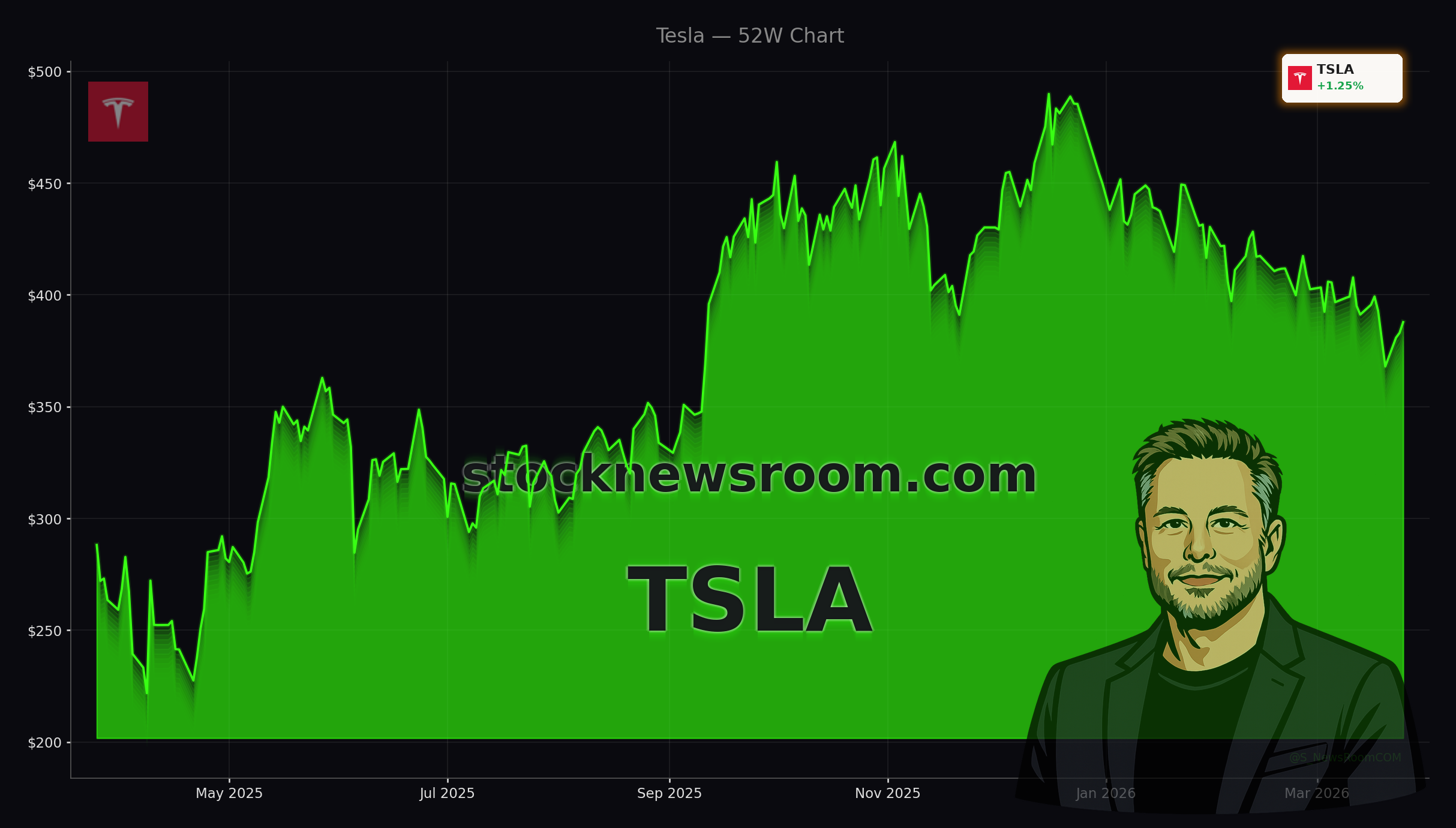
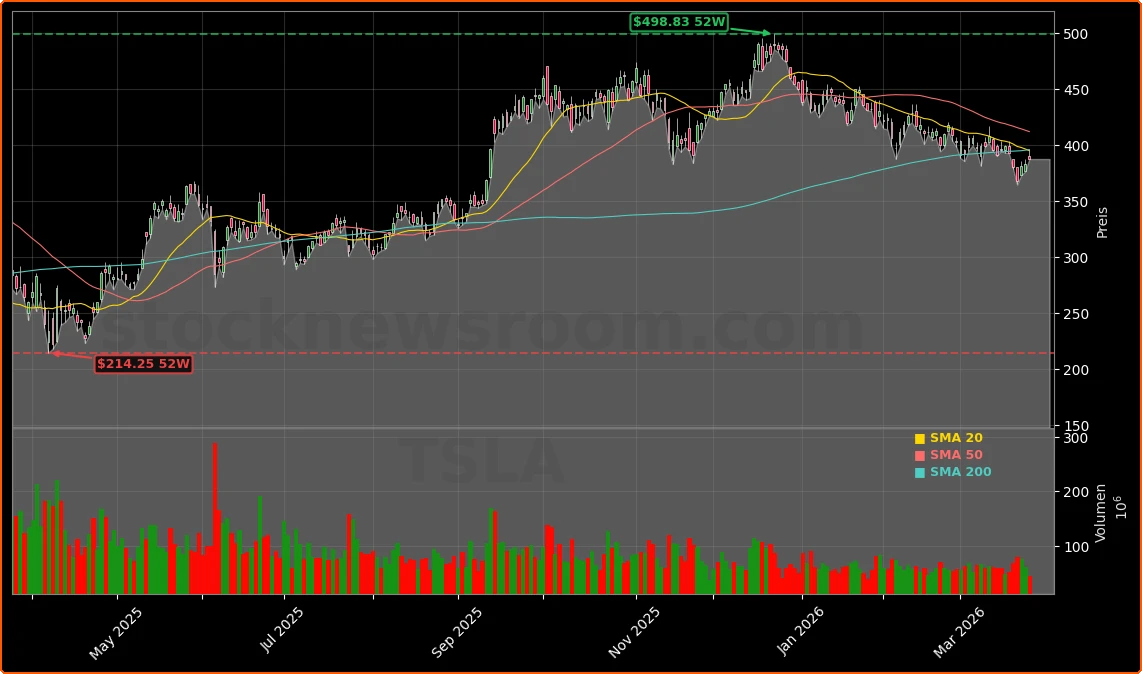
Tesla und SpaceX IPO‑Dynamik, Fusionsspekulationen und operative Signale are converging into one of the most important cross‑asset stories of 2026. Tesla (TSLA) finished Wednesday up about 1.11% at $387.31, still below the psychologically important $400 level but near the upper half of its 52‑week range. At the same time, expectations are building that SpaceX could file its long‑awaited IPO prospectus with the SEC within days, targeting as much as $50 billion in fresh capital and a valuation that could eclipse Tesla’s.
How big could SpaceX’s IPO be?
Recent indications suggest SpaceX may seek to raise up to $50 billion at a valuation around $1.8 trillion, potentially making it the largest IPO in history and putting it slightly ahead of Tesla’s roughly $1.7 trillion fully diluted equity value. The offering is expected to bankroll an aggressive expansion into AI infrastructure, including Musk’s plan to deploy data centers in space and deepen Starlink’s global footprint.
Investors are also trying to map the impact on Tesla. Both companies already intersect financially and operationally: in 2025, Tesla invested about $2 billion into xAI, which SpaceX then acquired in early 2026. More recently, Tesla and SpaceX announced a joint Terafab semiconductor facility to build in‑house AI hardware, a move meant to reduce reliance on external suppliers such as NVIDIA, Micron and Taiwan Semiconductor. These links are why any SpaceX equity deal or structural change inevitably triggers questions about a future Tesla SpaceX Merger.
Tesla SpaceX Merger: realistic scenario or hype?
Opinions on a potential Tesla SpaceX Merger are sharply split. Wedbush analyst Dan Ives, who maintains an “Outperform” rating and a $600 price target on Tesla, has argued that the Terafab AI chip initiative is the first step toward the two entities “combining forces,” with a merger he sees as likely around 2027 if execution stays on track. That target implies roughly 55% upside from current levels and bakes in substantial value from Tesla’s AI stack, including Optimus robots and Robotaxis.
On the other side, Gary Black of The Future Fund warns that using newly public SpaceX equity to acquire Tesla would be a major red flag for institutional buyers of the IPO. He estimates a stock‑for‑stock deal could cut Tesla’s equity value by 20%–25% via dilution and calls it unrealistic that investors would pour $50 billion into a SpaceX IPO only to be diluted almost immediately by a giant acquisition. Black also argues that many existing Tesla shareholders who want SpaceX exposure would simply rotate capital, selling some TSLA to buy the new listing, creating near‑term selling pressure on Tesla.
What does the IPO mean for Tesla’s stock?
In the near term, Tesla appears to be benefiting from the broader Musk ecosystem narrative. The stock has rallied more than 30% over the past 12 months and is attempting to reclaim key technical levels, with traders watching resistance around $416.50 and support near $387.50. Momentum has improved on the back of a 29.1% year‑over‑year rebound in European registrations in February after 13 straight months of declines.
Fundamentally, Tesla still trades at a premium that assumes Musk can turn it into an AI‑powered industrial and software platform rather than a traditional automaker. The stock carries a P/E above 350, a price‑to‑sales ratio above 14 and a price‑to‑book multiple north of 17, far richer than legacy peers such as General Motors or Ford and even above high‑quality niche names like Ferrari. That premium sits alongside a recent revenue dip of just over 3% year‑over‑year, underlining how much of the story is about future margin expansion from software, Robotaxis and robotics rather than unit growth alone.
Can operational signals offset brand and governance risks?
Operationally, Tesla continues to roll out new growth pillars. The company is preparing for volume production of the Tesla Semi from a dedicated Nevada plant, targeting up to 50,000 units annually. Early customers include PepsiCo, Anheuser‑Busch, Sysco, UPS, DHL, J.B. Hunt and Walmart. With battery packs designed to last one million miles and claimed total cost per mile roughly 20% below diesel trucks nationally, the Semi could deepen Tesla’s moat in fleet logistics and accelerate high‑margin software subscriptions across commercial customers.
Yet the brand is under pressure. A recent EV Intelligence Report shows Tesla at the bottom of industry rankings for brand positivity and trust, well behind Toyota and Honda. Critically for long‑term value, negative sentiment linked directly to Elon Musk accounts for a meaningful share of consumer objections to Full Self‑Driving, suggesting that governance and CEO reputation now feed directly into perceived safety and technology risk. Legal noise around Musk’s compensation and shareholder disputes, alongside labor conflicts such as a challenged works‑council vote at Tesla’s German plant, add another layer of uncertainty.
For now, major Wall Street voices like Dan Ives remain firmly in the bull camp, framing Tesla’s AI, robotics and chip strategy — and its tight operational ties with SpaceX — as reasons to buy the stock on weakness rather than chase a speculative Tesla SpaceX Merger headline. More cautious investors emphasize that both Tesla and SpaceX may be worth more as focused, separately listed companies, especially if each can tap capital markets without cross‑company dilution.
Related Coverage
Investors tracking the merger and AI narrative around Tesla may want to read how its autonomy strategy is evolving. This deep dive into Tesla’s Robotaxi strategy and AI chip push examines whether its software and robotics roadmap can justify the current premium multiples amid regulatory and competitive pressure. For a sector comparison on autonomous mobility, this analysis of Rivian’s Robotaxi partnership with Uber explores how rival EV players are using alliances to close the gap with Tesla’s perceived technology lead.
The Terafab AI chip project is the first step toward Tesla and SpaceX ultimately combining forces in a merger likely in 2027.— Dan Ives, Wedbush Securities
In the end, the Tesla SpaceX Merger debate crystalizes a bigger question for investors: are Musk’s AI, chip and robotics plans better served by two separately listed giants or one integrated super‑conglomerate? Tesla remains a high‑beta way to express conviction in that vision, while the coming SpaceX IPO will offer a new, purer play. The next catalysts — a detailed SpaceX prospectus, progress at the Terafab chip facility and Tesla’s upcoming delivery and margin trends — will show whether the stock’s rich valuation and merger speculation evolve into durable, cash‑generating growth.