Can the Tilray Brands strategy, characterized by expensive acquisitions and massive dilution, truly initiate the hoped-for turnaround?
Tilray Brands: What Lies Behind the New Strategy?
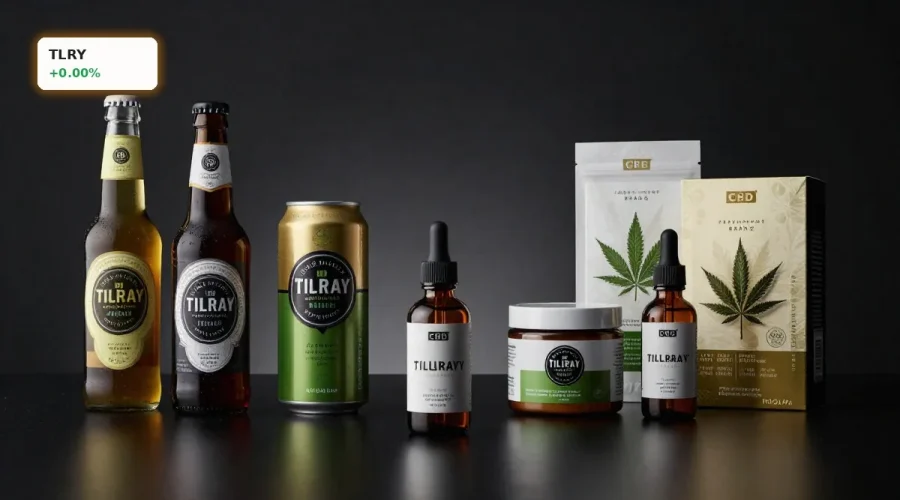
Tilray Brands has transformed from a pure cannabis player into a diversified consumer goods company. The firm now refers to itself as a “global lifestyle and consumer-packaged goods corporation” and is attempting to reduce its dependence on the volatile cannabis market. The core of the current Tilray Brands strategy is an aggressive diversification into CBD products, wellness, and especially alcoholic beverages.
Since 2021, Tilray has reportedly acquired 19 brands, primarily in the craft beer and beverage sector. As a result, the company has become one of the largest craft beer brewers in the U.S. This is reflected operationally in revenue: the annual revenue exceeds $837 million, yet the anticipated breakthrough towards stable profitability has yet to materialize.
The background: The legalized cannabis market has developed significantly weaker than was previously priced in by the stock market. Strong competition, overcapacity, and ongoing competition with the still-active black market are squeezing margins. Regulation, taxes, and fees further increase the cost base for legal providers.
Tilray Brands Strategy: Expansion at Any Cost?
The Tilray Brands strategy in recent years can be summarized as “growth first, returns later.” To finance the series of acquisitions and cover ongoing operational deficits, management has issued a substantial number of new shares. Since the IPO in the U.S., the number of shares has increased by approximately 495%, and by more than 300% since 2021. For existing shareholders, this means a drastic dilution of their stake in the company.
Particularly concerning: Some of the acquired brands have already had to be written down in value. Write-downs are affecting nearly all business areas and indicate that mistakes were made in implementing the Tilray Brands strategy—classic risks of an overheated acquisition spree. Although these are non-cash effects on the balance sheet, economically, it is precisely those shareholders who bear the burden whose shares were diluted to finance the deals.
Despite the increasing size, the company has recently only grown in the low single-digit percentage range. In the second quarter of the current fiscal year, revenue increased by only about 3%. Analysts’ outlook currently signals a scenario of low growth rates, ongoing losses, and limited room for further expensive acquisitions.
How Do Analysts Evaluate the Tilray Brands Strategy?
Market sentiment reflects skepticism towards Tilray Brands. The stock price has fallen by about 97% over the past five years, by approximately 74% over three years, and has declined double digits again in the last year. Despite occasional price jumps, many market participants view the stock more as a turnaround speculation than as a solid investment.
On the analyst side, a cautious tone prevails. Canaccord analyst Kenric Tyghe recently rated the stock with a “Hold” rating and a price target of 13 Canadian dollars. He particularly points to the challenges in the beer market, although Tilray Brands is now among the larger players there. Roth Capital maintains its neutral rating (“Neutral”) but has reduced its price target to $10, emphasizing that the outlook heavily depends on future U.S. legislative changes and competition from intoxicating hemp products.
At the same time, there are also strategic bright spots that support the Tilray Brands strategy. The company has entered into an exclusive, multi-year licensing partnership with the Carlsberg Group for the U.S. market starting in 2027. Tilray will then be responsible for the production, marketing, and distribution of Carlsberg brands in the U.S. This strengthens the company’s position in the beverage segment and creates further diversification opportunities beyond the pure cannabis business.
Nevertheless, the central question remains: Is this expansion of the product portfolio sufficient to offset the massive dilution effects and ongoing operational weakness? As long as sustainable profitability is pending, many analysts assess the risk-reward ratio as limitedly attractive.
The Tilray Brands strategy thus focuses on size, brand diversity, and partnerships, but for shareholders, the ultimate measure is whether growth translates into reliable profits. Without a clear path to positive margins, any further acquisition step could primarily mean one thing: even more dilution.
Bottom Line
The Tilray Brands strategy combines aggressive diversification with high stock dilution and a persistently weak cannabis core business, significantly burdening the investment case at present. For investors, it is crucial whether management can finally shape scalable, profitable structures from the broadly diversified brand portfolio. The next quarters and the implementation of partnerships in the beverage sector will reveal whether Tilray Brands can rise from a dilution and turnaround value to a sustainably profitable consumer goods company.
Related Sources
- Tilray Brands, Inc. (TLRY) Stock Price, Metrics, and News (Yahoo Finance)
- Here’s Why I Wouldn’t Touch Tilray With a 10‑Foot Pole (The Motley Fool)
- Is It Time to Dump Your Shares of Tilray? (The Motley Fool)
- Canaccord Analyst Initiates Coverage on Tilray Brands, Inc. (TLRY) (Insider Monkey)
- Tilray Brands and the Carlsberg Group Enter into an Exclusive Multi-Year U.S. Brewing and Commercial Partnership (GlobeNewsWire)