Will an oil-driven spike in the US Inflation CPI derail the Fed’s rate-cut plans and puncture Wall Street’s winning streak?

How big is the US Inflation CPI surprise risk?
The March US Inflation CPI release at 8:30 a.m. ET is expected to show a headline jump of about 0.9% month on month, the largest since 2022, pushing the annual rate to roughly 3.3–3.4%. Energy is doing most of the work: the energy index is seen rising in double digits from a month earlier, with US gasoline prices moving from about $3.47 to $4.16 a gallon and diesel from $4.65 to $5.69. Early estimates suggest that nearly three quarters of the monthly increase in prices could be traced back to fuel costs alone, underscoring how sensitive the US Verbraucherpreisindex und Inflationstrend remains to oil shocks.
By contrast, core US Inflation CPI, excluding food and energy, is expected to rise a more moderate 0.2–0.3% month on month and around 2.6–2.7% year over year. Shelter remains sticky: rents and owners’ equivalent rent likely advanced about 0.3% after softer 0.2% gains, while used car prices continued to drift lower and airfares rebounded by nearly 3%. For the Fed, whether this energy-driven spike leaks into core services – particularly wages and housing – will be far more important than the headline shock itself.
What does this mean for the Fed and rate cuts?
Going into the release, Fed funds futures have already repriced sharply, with markets assigning fewer and later rate cuts in 2026 as inflation proves more resilient. The Fed’s preferred PCE measure recently printed at around 2.8% headline and 3.0% core, with services inflation still described as “stubborn.” A hot US Inflation CPI print above the 3.4% consensus would reinforce the narrative that disinflation has stalled and keep the central bank in a holding pattern for longer.
Policymakers are focused on whether this is a one-off supply shock from oil or the start of a broader re-acceleration. With Brent crude trading roughly 60% higher than at the start of the year, the Fed will spend the next six months watching for so‑called second‑round effects: rising transport costs feeding into goods prices, higher input costs for fertilizers and food, and pressure on wage demands as real incomes are squeezed. If core services ex-housing start to cool, the Fed could still feel comfortable cutting later in the year; if not, investors should brace for a “higher for longer” stance.
How are Wall Street and the S&P 500 positioned?
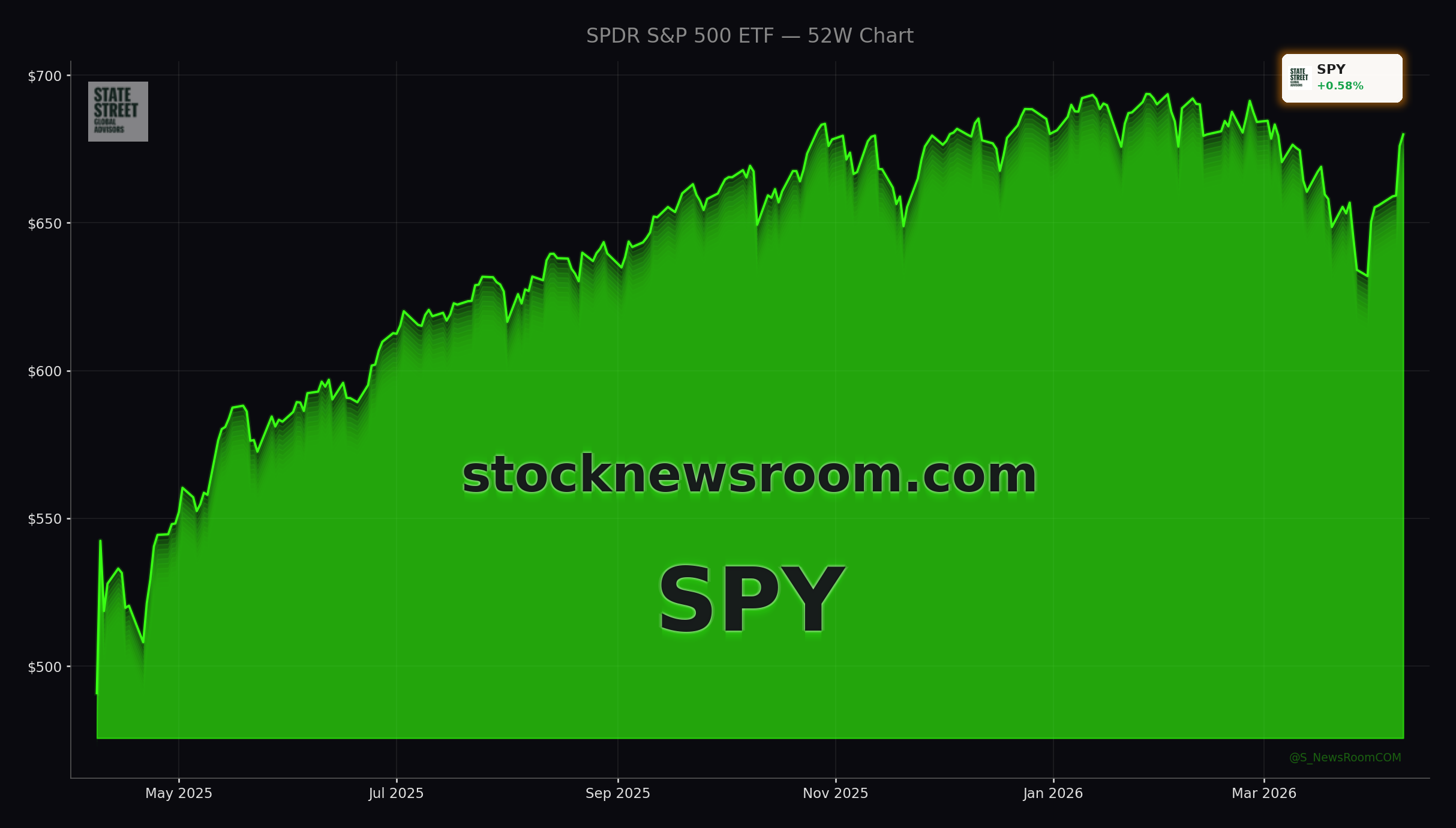
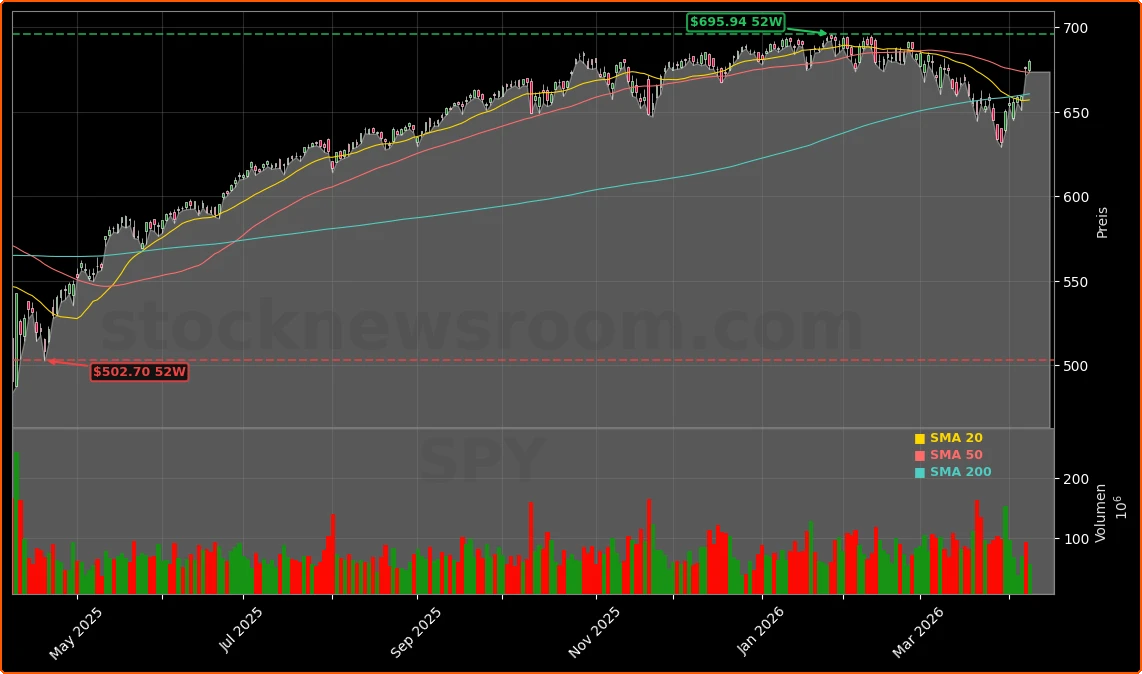
Equity markets have been resilient into today’s number. The S&P 500 is up about 0.62% on the day at 6,824.66, extending gains after a seven‑session winning streak in the cash market. The risk is straightforward: a hotter‑than‑expected US Inflation CPI print likely lifts Treasury yields, strengthens the dollar and pressures rate‑sensitive growth stocks, especially in technology and consumer discretionary.
High‑multiple names such as NVIDIA, Tesla and Apple are particularly exposed if the market moves to price out 2026 easing. A cooler CPI, on the other hand, could fuel another leg of the rally in the S&P 500 and NASDAQ as investors rotate back into long‑duration assets. Bond markets are equally vulnerable; hotter data could trigger another sell‑off in longer‑dated Treasuries as traders demand higher term premiums to compensate for inflation uncertainty.
Will consumers – and earnings – feel the pain?
Beyond markets, the renewed energy shock is already hitting household budgets. Gasoline and utility costs are eroding real disposable income, adding to political pressure ahead of the US election cycle and raising questions about the durability of consumer spending. Card data for March show spending up roughly 3.6% year over year, with strength in travel, entertainment, restaurants and electronics, but yesterday’s personal spending and income figures painted a more mixed picture, with some signs that lower‑ and middle‑income households are starting to pull back.
For corporate earnings, the path of the US Verbraucherpreisindex und Inflationstrend will matter across sectors. Energy producers such as Chevron (CVX) and Exxon Mobil (XOM) benefit from higher crude, but transportation, airlines and logistics face margin pressure from surging diesel. Large US retailers and consumer brands must decide how much of the cost shock to pass on without losing volume. In tech, AI‑driven capital expenditures and potential tariff pass‑throughs are complicating inflation dynamics, though they have so far been more visible in producer prices than in US Inflation CPI.
Analysts at major banks, including Goldman Sachs and Morgan Stanley, argue that as long as core inflation trends toward roughly 2.5% by year‑end, the Fed will retain scope for at least one rate cut, even if the timing slips. Citigroup expects inflation volatility to remain elevated as geopolitical risks persist but does not yet see a return to the 2022-style inflation regime.
In summary, today’s US Inflation CPI release is less about the single data point and more about whether it confirms a turn in the US Verbraucherpreisindex und Inflationstrend. For investors, the balance of risks is asymmetric: an upside surprise could quickly unwind part of Wall Street’s recent gains, while a benign print may extend the rally but leave lingering questions about the durability of disinflation. Positioning around rate‑sensitive sectors, inflation hedges and quality growth will be critical as the next wave of data and Fed communication arrives.