Is the WTI Oil Crisis a lasting supply shock or just another brutal whipsaw in an already overheated energy market?

How did the WTI Oil Crisis hit prices so fast?
The WTI Oil Crisis escalated as tensions around Iran and U.S. military actions raised fears of a prolonged disruption in one of the world’s most critical chokepoints. The Strait of Hormuz remains effectively closed, temporarily sidelining an estimated 10 million barrels of crude per day. Earlier in the session, intraday prices for WTI Crude Oil briefly pushed above $100 and even spiked near $101 before a brutal reversal sent futures down toward $84 at the lows, with prices recently stabilizing just under $91.
This pattern follows a classic parabolic run-up: a sharp, emotionally driven rally on worst-case scenarios, followed by an equally violent shakeout as traders take profits and short sellers pile in. Many market participants had argued that, given the scale of the infrastructure damage in the Gulf region and the risk of further escalation, crude “should” be trading closer to $150 per barrel. Instead, the WTI Oil Crisis is increasingly being treated as a scenario where demand destruction, alternative routes and emergency supplies could blunt the most extreme price outcomes.
Investors are also reassessing how much risk they want to carry into headline-driven markets where a single tweet, ultimatum or ceasefire proposal can move crude $10–$15 in hours. For now, volatility around the WTI Oil Crisis is keeping many systematic and risk-averse players on the sidelines.
What does the WTI Oil Crisis mean for US energy stocks?
Despite today’s pullback in futures, the WTI Oil Crisis has fueled broad interest in listed producers, refiners and offshore players. U.S.-listed W&T Offshore, which operates in the Gulf of Mexico, has become a high-beta way to trade the turmoil: the stock recently surged more than 8% in one session as traders bet that tighter global supply and stronger benchmark prices could boost cash flows. Recent earnings showed wider-than-expected losses, but also higher revenue and production, underlining how operational leverage could swing in its favor if crude remains elevated.
Large-cap names like Exxon Mobil and Chevron continue to function as the defensive core of many energy allocations, while integrated majors and refiners benefit from stronger crack spreads and improved pricing power. Some research desks on Wall Street, including teams at Goldman Sachs and Morgan Stanley, have reiterated constructive views on the sector, arguing that even if prices retreat from recent peaks, supply discipline and shareholder-return policies support current valuations.
Meanwhile, tactical strategies highlighted by analysts at Seeking Alpha emphasize short-term, defensive positioning in energy equities as a hedge against further shocks. Against this backdrop, tech-heavy benchmarks such as the NASDAQ, packed with energy-intensive businesses like NVIDIA and Apple, are increasingly sensitive to any renewed spike in input and transport costs linked to the WTI Oil Crisis.
Are parabolic oil bets turning into a trap?
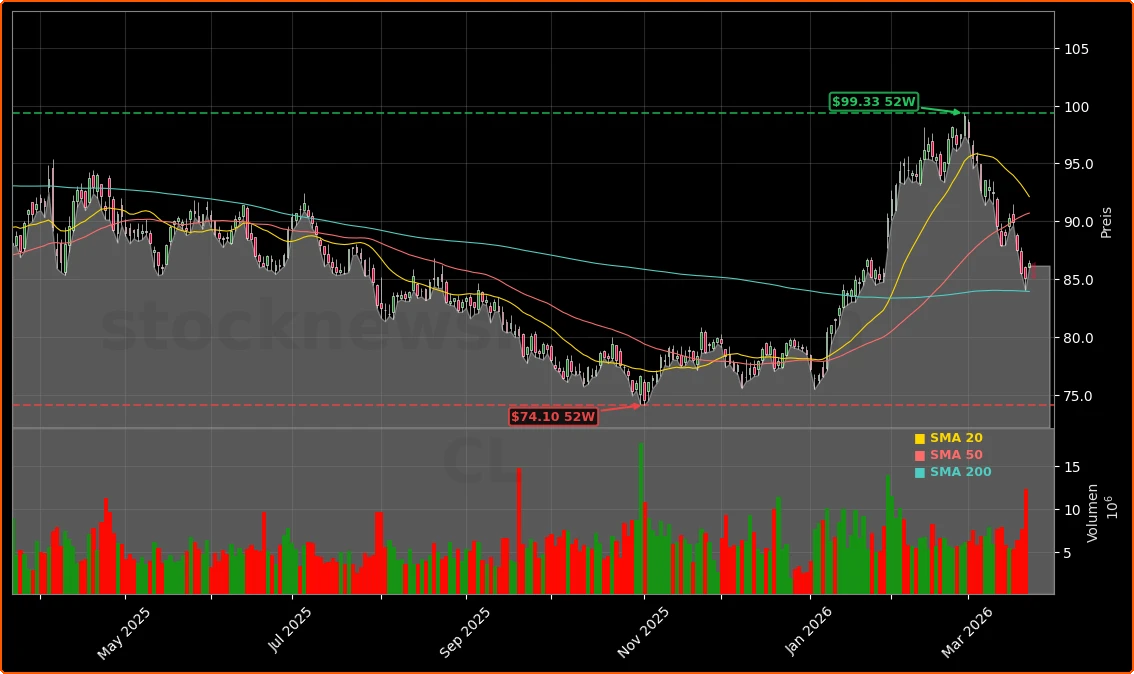
For active traders, the WTI Oil Crisis has illustrated how quickly a seemingly one-way market can reverse. Price action in WTI Crude Oil over recent weeks has taken on a parabolic shape, with each rally leg steeper than the last, followed by violent intraday selloffs whenever there is even a hint of de-escalation. Many experienced market participants now argue that the short side is becoming more compelling than chasing further upside, given how stretched positioning and sentiment had become.
Some portfolio managers have openly stepped away from leveraged or highly speculative oil trades, citing unmanageable gap risk. Stop-loss levels can be rendered meaningless when an overnight headline about airstrikes or an unexpected ceasefire pushes crude $10 beyond any pre-planned exit. As one investor described it, trading the WTI Oil Crisis with tight stops borders on pure gambling, particularly when liquidity can evaporate around key geopolitical announcements.
This has pushed a segment of Wall Street toward more measured exposure: using diversified energy ETFs, pairing longs in producers with shorts in energy-intensive sectors, or hedging with options rather than outright futures. The goal is to stay positioned for elevated prices without being wiped out by the next headline shock.
How should diversified investors react now?
For long-term investors, the WTI Oil Crisis is less about predicting tomorrow’s barrel price and more about understanding second-order effects. Elevated, volatile energy prices act like a tax on consumers and corporates, squeezing margins at airlines, logistics firms and manufacturers. Large U.S. carriers have already begun flagging higher jet fuel costs in their forward guidance, while industrial groups and EV makers such as Tesla face rising input and transportation expenses.
At the index level, the S&P 500’s energy weighting remains modest, but the sector’s impact on inflation expectations and interest-rate trajectories is significant. If the WTI Oil Crisis keeps headline inflation sticky, the Federal Reserve may be slower to cut rates, pressuring high-valuation growth stocks and rate-sensitive names even if energy shares outperform. That creates a more complex backdrop for asset allocation than a simple “buy oil, sell everything else” playbook.
Pragmatically, many asset managers are responding by modestly increasing strategic energy exposure, revisiting hedging programs for fuel and transportation, and stress-testing portfolios against scenarios where the Hormuz disruption persists for months. Others are using the current pullback in WTI Crude Oil as an opportunity to lock in prices or gradually add to high-quality energy equities that can weather both higher-for-longer and normalization paths for crude.