
With Becton, Dickinson and Company shares sliding, is this elite Dividend King offering a rare bargain or a warning sign for investors?

Why is the Becton Dickinson Dividend so resilient?
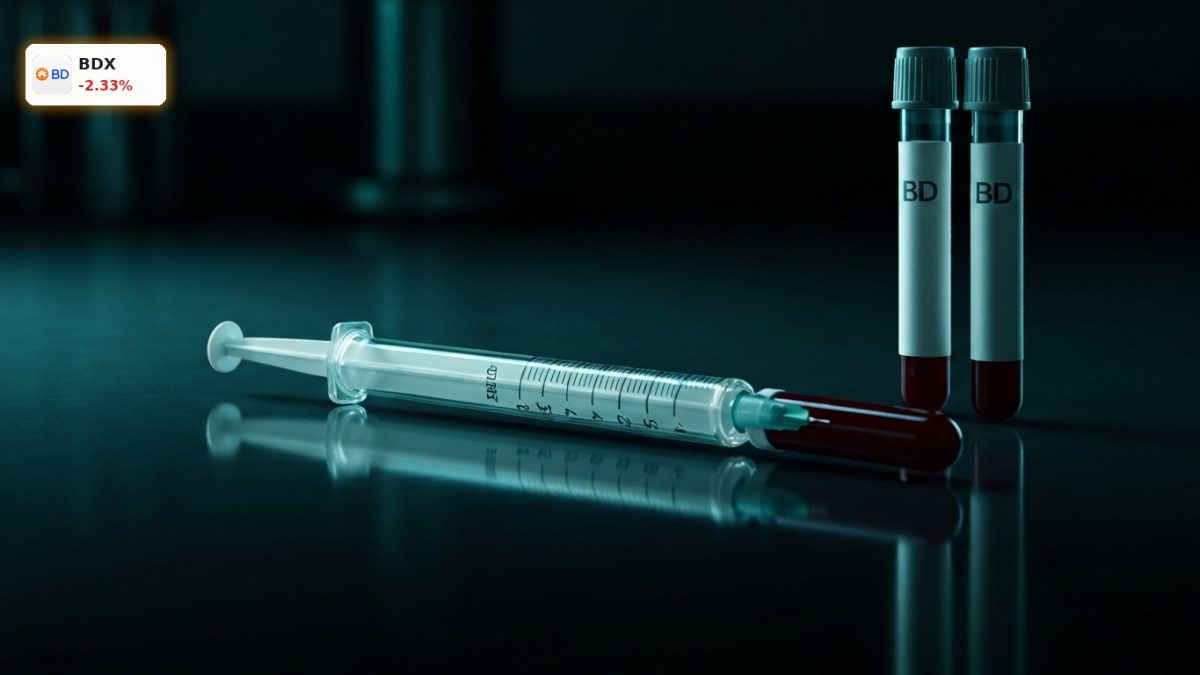
Unlike many high-yielding stocks that carry elevated risk due to falling stock prices, the **Becton Dickinson Dividend** is backed by highly stable, recurring revenue streams. The medical giant specializes in essential healthcare consumables, including syringes, blood collection tubes, catheters, and infusion systems. Because healthcare providers require these products regardless of macroeconomic conditions, approximately 90% of the company’s revenue is generated from recurring consumable sales.
This stable business model has allowed the company to build an incredible track record of shareholder returns. The company has raised its payout annually for 54 consecutive years, comfortably placing it in the elite category of Dividend Kings. Currently, the **Becton Dickinson Dividend** offers a yield of approximately 2.7%, which significantly outperforms the broader market, where the S&P 500 average yield has hovered around 1.1%. Furthermore, this payout is not just stable; it is growing. Over the past five years, the dividend has grown at an impressive average annual rate of 10.5%, proving that defensive stocks can still deliver robust income growth.
Is Becton, Dickinson undervalued right now?
From a valuation perspective, the recent dip in the share price to $154.48 makes the stock look highly attractive. Wall Street analysts point out that the company’s forward-looking price-to-earnings (P/E) ratio sits at just 12. This is a substantial discount compared to its five-year historical average P/E of 16. Similarly, its price-to-sales (P/S) ratio has dropped to 2.2, well below the five-year average of 3.2.
In addition to the attractive valuation, the company is actively enhancing shareholder value through aggressive capital allocation. Beyond the reliable **Becton Dickinson Dividend**, the medical technology firm has been consistently buying back and retiring its own shares. This reduction in outstanding share count increases the value of the remaining shares for long-term holders. When combining the direct dividend yield with the positive financial effects of these share buybacks, the company’s total shareholder yield reaches an outstanding 8.3%. This combination of undervaluation and aggressive buybacks provides a strong safety cushion for conservative portfolios.
How does Becton, Dickinson compare to peers?
In the broader medical devices sector, companies like Johnson & Johnson and Abbott Laboratories also offer reliable dividends, but Becton, Dickinson presents a unique mix of high recurring revenue and rapid dividend growth. While some competitors face patent cliffs or litigation risks, the consumable-heavy portfolio of BDX offers a much more predictable cash flow profile.
Major Wall Street institutions have taken note of this defensive strength. Investment banks regularly highlight the stock’s low-beta nature as an ideal hedge against economic slowdowns. While growth-oriented sectors on the NASDAQ face valuation pressures, the healthcare sector remains a defensive anchor. With its dominant market share in essential medical supplies, the company remains insulated from typical consumer-spending downturns, making it a favorite for institutional asset managers.
For investors prioritizing long-term wealth compounding, the robust **Becton Dickinson Dividend** combined with a historically low valuation presents an exceptional buying opportunity. The company’s defensive product portfolio and 54-year history of dividend increases make it a premier choice for risk-averse portfolios. As healthcare demands continue to rise globally, Becton, Dickinson is well-positioned to deliver steady market-beating total returns.