
Why is Dow Inc. surging while the rest of Wall Street slides into the red?

How Do Dow Inc. Oil Prices Impact the Stock?
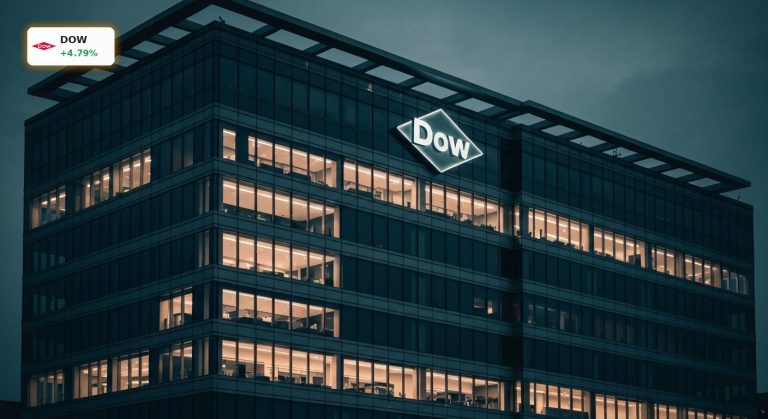
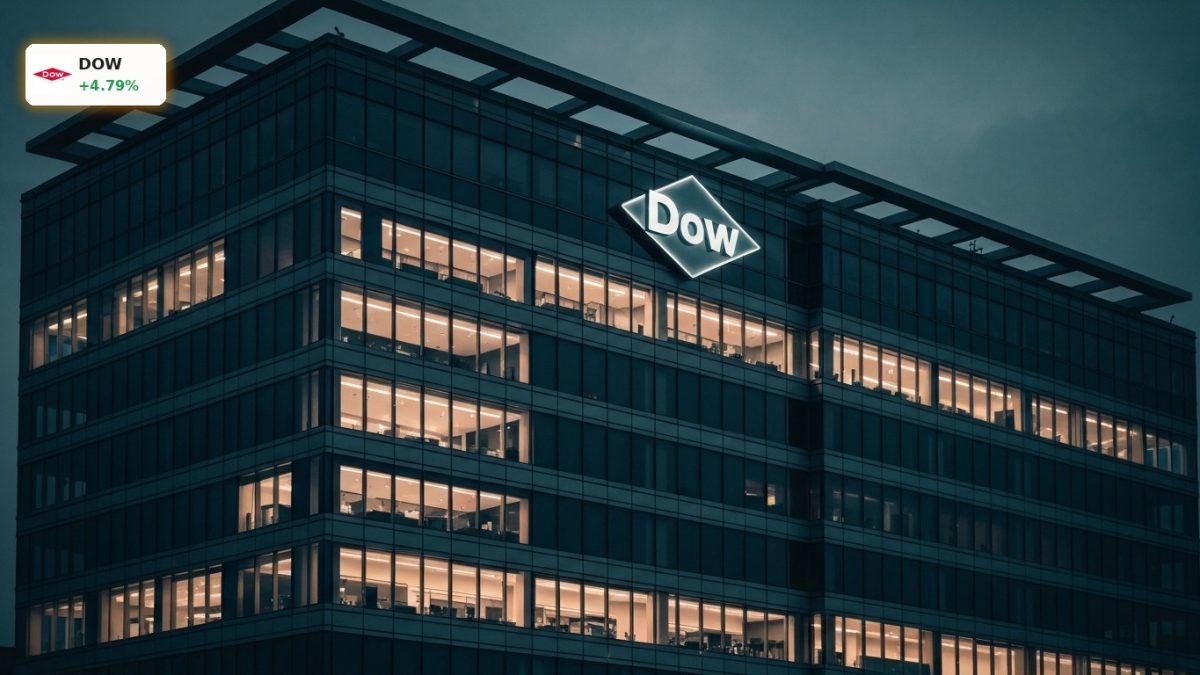
During Monday’s market action, Wall Street faced notable downward pressure. The S&P 500 slid approximately 0.8%, while the tech-heavy Nasdaq Composite dropped 1.55%. Even the blue-chip Dow Jones Industrial Average fell 0.26%. However, Dow Inc. bucked the broader negative trend. The stock closed at $30.42, marking a significant gain of 4.79% from its previous close of $29.03.
The primary driver behind this outperformance is the specific dynamic of Dow Inc. oil prices. As crude prices climb, global chemical competitors that rely heavily on oil-derived naphtha as a feedstock face soaring production costs. In contrast, Dow Inc. primarily utilizes natural gas liquids, such as ethane, sourced from North American shale. This feedstock flexibility creates a massive competitive cost advantage when global oil prices rise, allowing the company to maintain superior profit margins while competitors struggle with escalating expenses.
Which Energy Peers Are Advancing Alongside Dow Inc.?
The commodity-driven tailwinds did not benefit Dow Inc. alone. Traditional energy giants also experienced upward momentum on Monday. Shares of Chevron and ExxonMobil posted solid gains as rising crude prices lifted the entire energy complex. The shifting market environment is forcing institutional investors to rotate capital out of high-valuation growth sectors and into defensive, cash-generating value stocks.
This rotation highlights how the correlation between Dow Inc. oil prices and global supply chains acts as a natural hedge for equity portfolios. When inflation fears and geopolitical tensions weigh on technology and consumer discretionary sectors, commodity-linked chemical producers offer a reliable safe haven. The company’s ability to pass higher costs onto end customers further solidifies its defensive appeal in a volatile macroeconomic climate.
How Do Analyst Ratings and Financial Services Compare?
Beyond the chemical and energy sectors, other defensive heavyweights also attracted positive attention during the session. For instance, American Express saw its shares climb 1.6% after investment bank JPMorgan Chase upgraded the credit card giant to an “Overweight” rating. The JPMorgan analyst highlighted the robust defensive earnings quality of the payment processor’s business model in a high-interest-rate environment.
While financial firms rely on consumer resilience, industrial players like Dow Inc. depend on their structural cost superiority. Wall Street analysts have frequently pointed out that the spread between oil and natural gas prices is one of the most critical metrics for the chemical sector’s profitability. As long as this spread remains wide, the company is well-positioned to capture market share from international rivals, particularly those operating in Europe and Asia where energy costs are significantly higher.
What Lies Ahead for Chemical Sector Investors?
The current market setup demonstrates that market turbulence does not affect all sectors equally. While rising energy costs act as a headwind for the broader S&P 500, they serve as a powerful catalyst for specific commodity-linked enterprises. The resilience of the chemical giant on Monday proves that strategic feedstock advantages can shield a company from broader macroeconomic contractions.
Looking forward, investors will closely monitor global energy supply disruptions and OPEC+ production decisions. Any sustained upward movement in crude benchmarks will likely continue to support the thesis that the relationship between Dow Inc. oil prices and North American natural gas costs remains a key driver of shareholder value. For long-term portfolios, this operational leverage provides an attractive combination of defensive characteristics and cyclical upside potential.
Ultimately, Dow Inc. has proven its ability to turn energy market volatility into a distinct corporate advantage. As Wall Street navigates ongoing geopolitical uncertainty and fluctuating commodity trends, the company’s cost-efficient manufacturing footprint remains a formidable barrier to entry. For investors seeking shelter from the tech sell-off, this chemical powerhouse offers a compelling risk-reward profile.