
Will the new Microsoft AMD Partnership be the ultimate weapon to break Nvidia’s monopoly on the booming AI chip market?

How will the Microsoft AMD Partnership impact Azure?
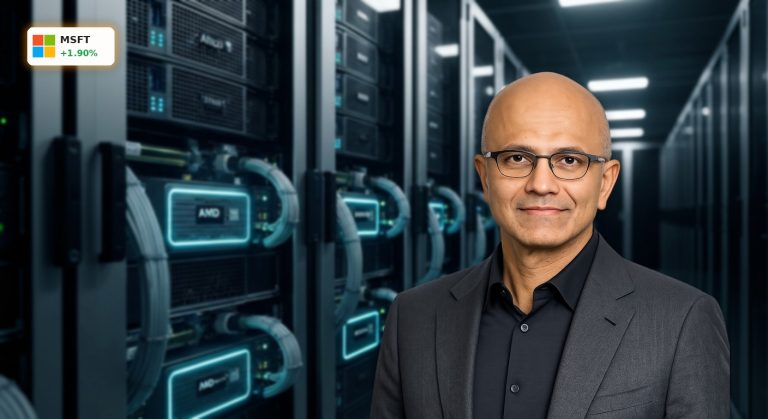
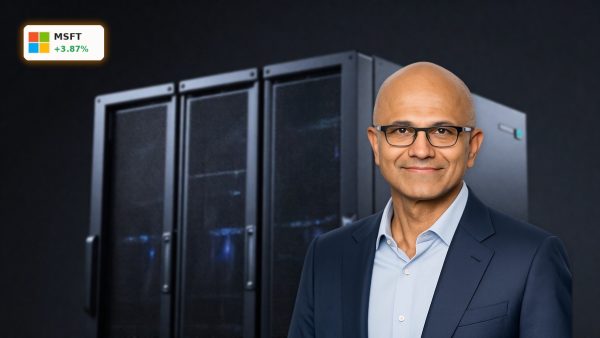
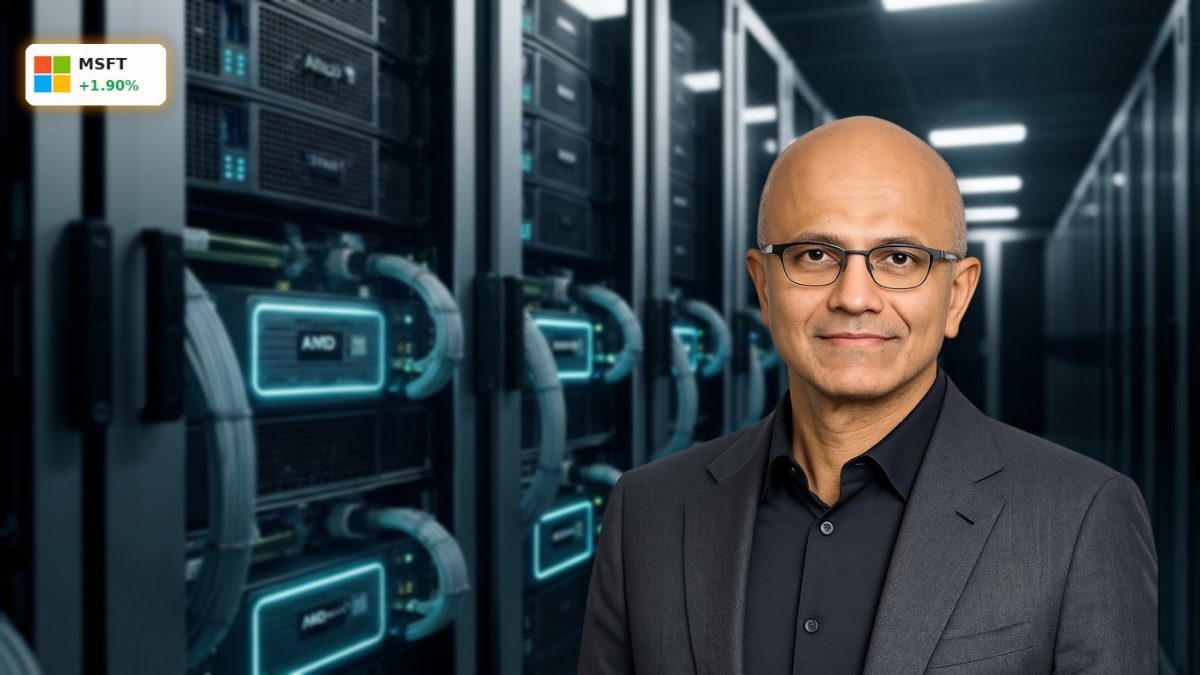
Under the terms of the expanded Microsoft AMD Partnership, Microsoft will deploy AMD’s next-generation Helios rack-scale AI computing platform in its Azure data centers starting in the second half of 2026. AMD’s Helios platform combines Instinct and EPYC processors to compete directly with Nvidia’s rack systems. By integrating this technology, Microsoft is not only securing a steady supply of advanced processors but is also introducing two new Azure virtual machine series. The Azure HD V2 series will focus on AI and data pipeline workloads, while the Azure HX V2 series will support advanced semiconductor design. This deep integration across GPUs, CPUs, networking, and software ensures that Azure remains a highly competitive destination for enterprise AI workloads.
Can Microsoft justify its massive AI capital spending?
The Microsoft AMD Partnership arrives as Wall Street debates the sustainability of big tech’s infrastructure investments. In the previous quarter, Microsoft’s capital expenditures ballooned to an eye-watering $30.88 billion, representing an 84% year-over-year increase. While CEO Satya Nadella highlighted that Microsoft’s AI business has surpassed an annual revenue run rate of $37 billion, some investors remain anxious about the near-term return on investment. Furthermore, concerns have emerged regarding Microsoft’s heavy concentration on OpenAI, especially amid shifting competitive dynamics and rising token costs in the generative AI sector. By broadening its hardware ecosystem through AMD, Microsoft can optimize its data center efficiency, mitigate component price hikes, and potentially lower the overall cost of running complex frontier models.
What do Wall Street analysts predict for Microsoft?
Despite recent market volatility that has kept Microsoft shares trading below their historical highs, major financial institutions remain overwhelmingly bullish. Deutsche Bank analyst Brad Zelnick recently reiterated a “Buy” rating on Microsoft with a robust price target of $550. Zelnick noted that investor fears regarding rising component prices and OpenAI dependencies are overblown, pointing out that Microsoft possesses strong pricing power to offset these headwinds. Similarly, TD Cowen analyst Andrew Sherman maintained a “Buy” rating with a $540 price target, urging clients to accumulate shares, especially as the Microsoft AMD Partnership helps secure a more resilient supply chain. Sherman believes the software giant is well-positioned to generate double-digit gains as enterprise adoption of Copilot and Azure AI services continues to mature.
Related Coverage
AMD and Microsoft have spent years building high-performance infrastructure together, and today we’re extending that partnership across the full stack of AMD AI solutions on Azure.— Lisa Su
To fully understand the financial implications of these massive investments, read our analysis on Microsoft AI: $31B Infrastructure Spending Sparks Wall Street Debate, which explores whether the tech giant’s aggressive capital expenditures will ultimately reward patient shareholders. Additionally, for broader context on the semiconductor landscape driving these cloud innovations, check out Arm Holdings Analyst Ratings Surge as AI Boom Drives Upgrades to see how chip designers are capitalizing on the ongoing AI infrastructure wave.