Can the SpaceX IPO justify its sky-high AI narrative before lockups and options trading drag the stock back to earth?

What’s driving SpaceX’s post-IPO pullback?
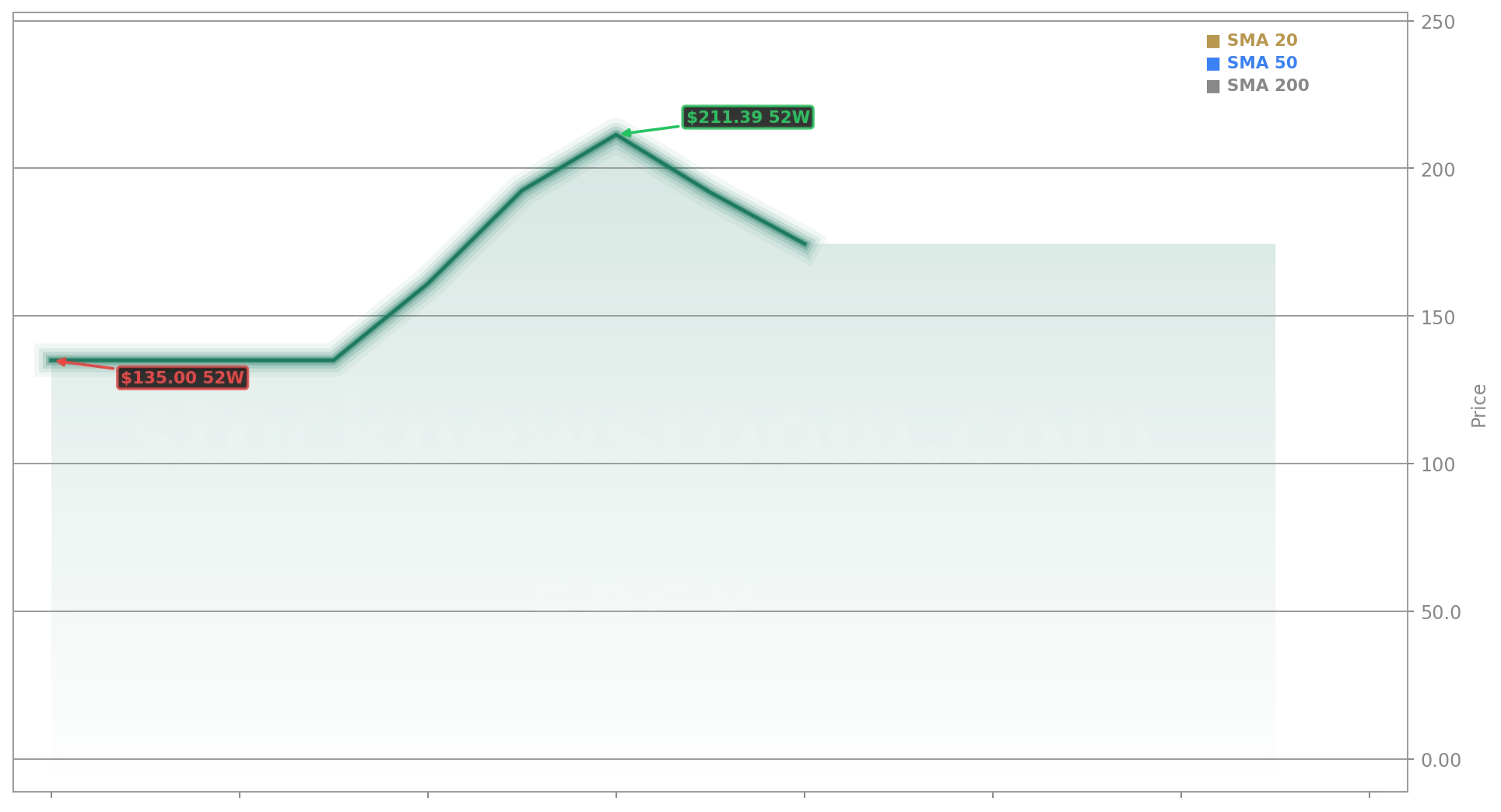
SpaceX shares fell 6.5% to $179 on Thursday—its second straight session in the red—after a flawless three-day rally following the SpaceX IPO on June 12. The decline coincided with the Federal Reserve’s decision to hold rates steady and Chair Kevin Warsh’s hawkish press conference, which weighed on high-multiple growth names. But the real catalyst was structural: the first day of options trading introduced real two-way price discovery. Over 1.6 million contracts changed hands on day one—more than $1.8 billion in premium—revealing a sharp bifurcation: extreme bullishness in near-term calls (210–250 strike) and aggressive put accumulation starting in August. As Gary Black of The Future Fund noted on X, the stock had previously traded ‘more like a meme stock than one driven by fundamentals’—a dynamic now ending.
How does SpaceX’s valuation compare to peers?
At $179, SpaceX trades at roughly 135x its $18.7 billion 2025 revenue—versus NVIDIA’s 20x sales multiple and Apple’s 32x. Its $2.6 trillion market cap exceeds Amazon’s despite generating less than 5% of its revenue. Morgan Stanley forecasts $330 billion in 2030 revenue, with $190 billion from AI; Goldman Sachs projects $470 billion. Yet SpaceX posted a $4.9 billion net loss last year and remains unprofitable. Morningstar’s $63 price target reflects deep skepticism, while Oppenheimer’s $250 and Arete’s $401 targets assume flawless execution on orbital data centers and Starlink V3 deployment. The dispersion—$63 to $401—is the widest among any major tech debut since Meta’s 2012 listing.
Why did SpaceX add Roelof Botha to its board?
Within days of its SpaceX IPO, the company appointed Sequoia Capital veteran Roelof Botha as an independent director and audit committee member. Botha, who served as PayPal CFO under Elon Musk, brings public-company governance experience—but also a disclosure: an undisclosed relative has worked at SpaceX’s enterprise operations team since 2025. The move signals an attempt to bolster credibility with institutional investors wary of SpaceX’s 82% voting-control structure. Yet critics like Anders Schelde of AkademikerPension argue governance remains ‘very weak from a minority shareholder perspective.’ With Musk retaining near-total control, Botha’s appointment may soothe optics—but not substance.
What happens when the lockup expires?
SpaceX’s accelerated lockup schedule is a ticking supply bomb. Per its S-1 filing, early investors may sell up to 30% of their shares as soon as the second trading day after Q2 earnings—expected in mid-August—if the stock holds above $175.50 for five of 10 days. It already has. Additional 7% tranches unlock on Aug. 21, Sept. 11, and beyond—potentially flooding the market with shares just as passive index funds begin buying. The Russell 1000 and Russell 3000 will add SpaceX after today’s close—forcing ETFs to buy nearly $7 billion in shares. But S&P 500 exclusion remains: S&P Dow Jones Indices declined to fast-track inclusion, citing profitability and 12-month listing requirements. That omission is a quiet vote of no confidence.
SpaceX IPO: Is the AI story credible?
SpaceX is breaking hard engineering challenges into stepwise tasks as it builds scale into space.— Andrew Beale, Arete Research
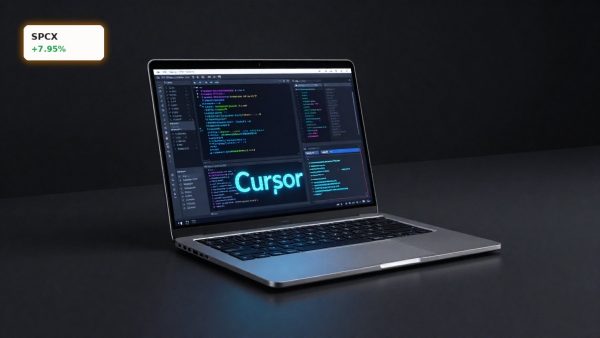
SpaceX’s AI ambitions hinge on orbital data centers—and skepticism is mounting. Yann LeCun, AMI Labs founder and former Meta AI chief, called xAI—now fully merged into SpaceX—’kind of a failure,’ citing mass executive departures and reliance on renting Colossus data center capacity to Anthropic and Google. Meanwhile, SpaceX’s $60 billion all-stock acquisition of Cursor aims to plug software gaps. Oppenheimer analysts argue this gives SpaceX ‘every layer of the AI stack,’ while CFRA’s Keith Snyder warns Starship’s commercial readiness remains unproven—a bottleneck affecting every growth pillar. The truth lies in execution: SpaceX expects to begin deploying AI compute satellites in 2028. Until then, AI revenue remains speculative—and the SpaceX IPO’s premium is a bet on faith, not fundamentals.