
Will the radical shift toward Tesla Optimus justify a 200x earnings multiple, or is the premium EV pioneer taking too big of a gamble?

Is Tesla abandoning its premium automotive roots?
In a move that marks the end of an era, Tesla has officially phased out the production of its legacy Model S and Model X vehicles at its Fremont facility in California. These premium models, which anchored the brand’s identity for over a decade, have been discontinued to free up manufacturing capacity. The assembly lines that once built these luxury electric vehicles are being completely decommissioned and repurposed. This physical reorganization highlights how rapidly the company is shifting its capital and floor space toward automation and artificial intelligence.
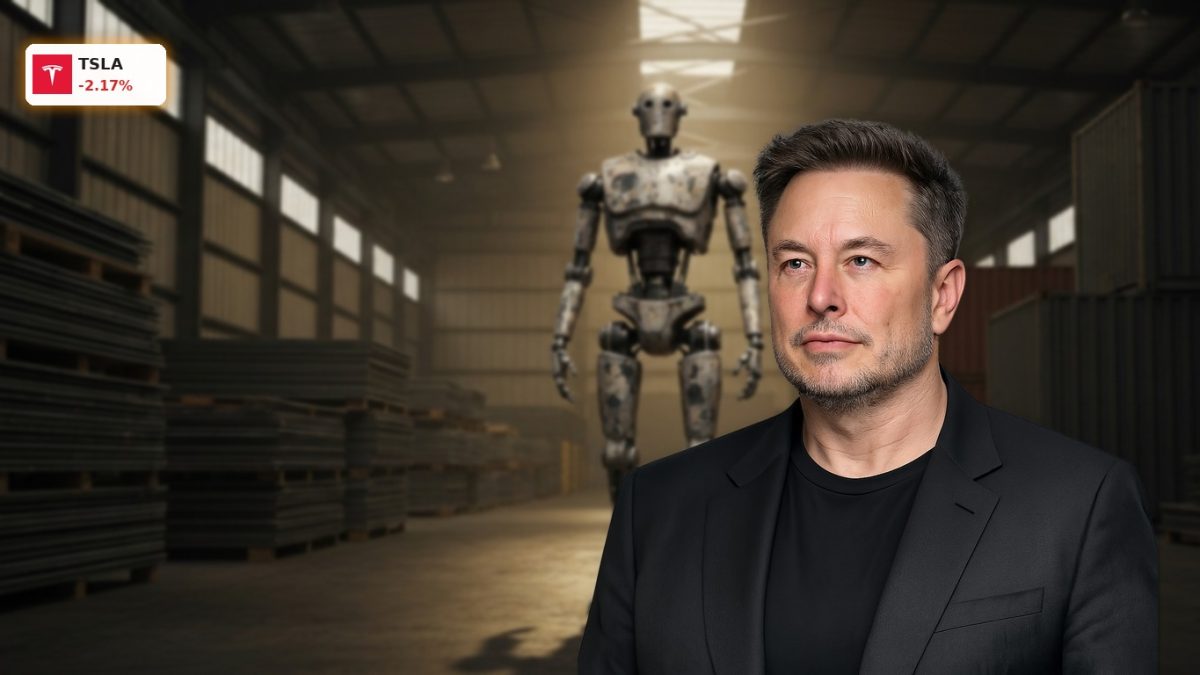
Instead of vehicles, the Fremont factory is gearing up to mass-produce the humanoid robot. Tesla AI Chief Ashok Elluswamy recently acknowledged the high stakes of this transition, stating that the new robotic platform has big shoes to fill after the departure of the Model S and Model X, though he expressed immense confidence in the project’s success. CEO Elon Musk has already confirmed that the first production line is in place, with engineering executives suggesting the factory could eventually scale up to 40 dedicated production lines to support the complex assembly of these machines.
How does Tesla Optimus impact the company’s valuation?
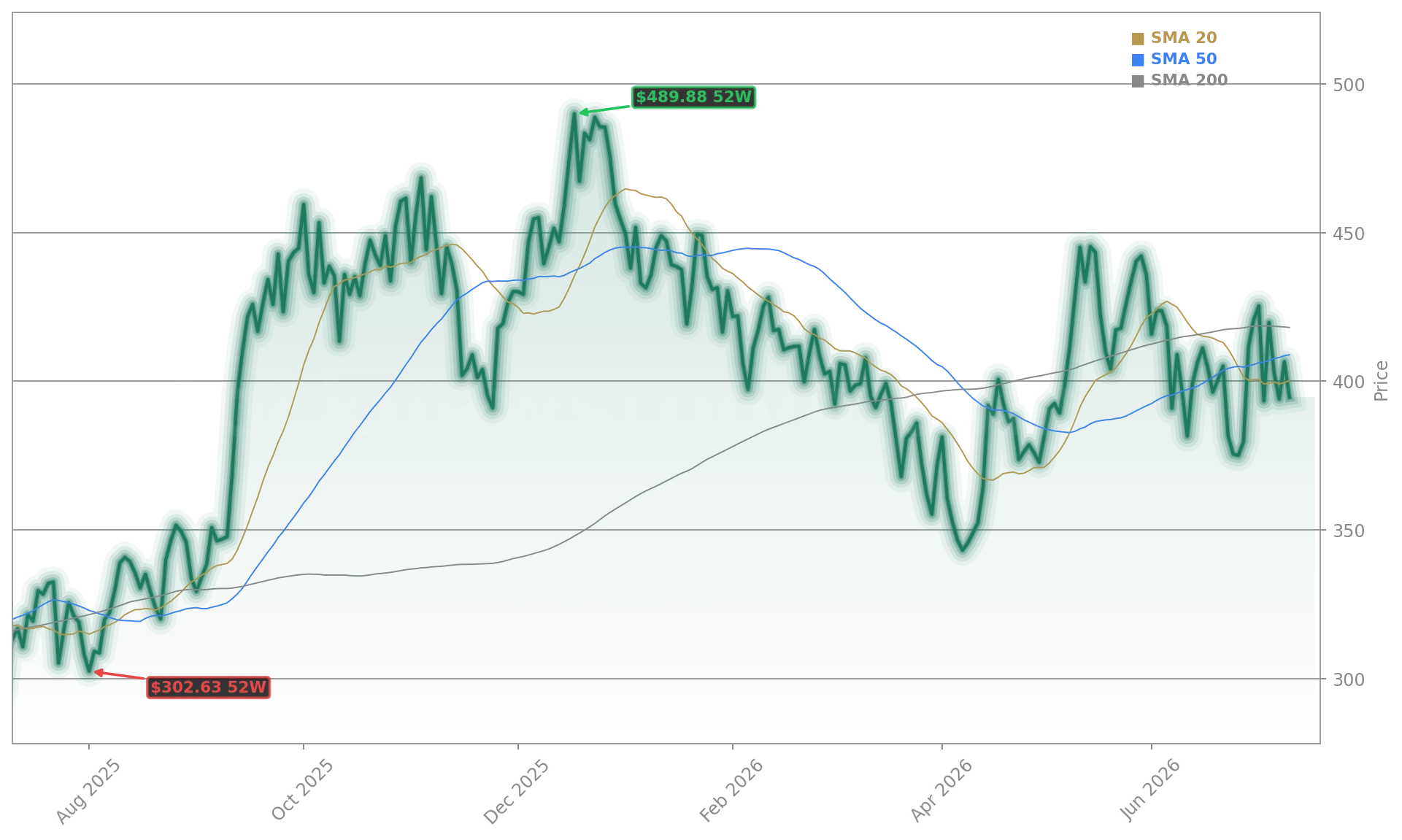
For Wall Street, this strategic pivot introduces a complex valuation puzzle. The stock currently trades at a premium, with a price-to-earnings multiple exceeding 200 times. This elevated multiple reflects the market’s anticipation of future technologies rather than current automotive sales. The underlying commercial vehicle business, while still dominant, has experienced tighter margins due to global price cuts and rising competition from Chinese manufacturers like BYD, which are rapidly expanding their global supply chains.
Furthermore, the heavy capital expenditures required to build out the infrastructure for the Tesla Optimus platform have put pressure on short-term financial metrics. The company’s free-cash-flow yield currently sits at a modest 0.5%, placing it at the lower end of the “Magnificent Seven” tech giants. While some institutional investors are cautious about paying such a high premium today, forward-looking models suggest that if the robotics and autonomous driving software scale as planned by 2028, the forward earnings multiple compressed by growth could justify the current stock price. However, execution remains the critical variable, especially as the company manages its battery pack capacity limitations.
Can international EV sales sustain the transition?
While the long-term future is built on robotics, Tesla still relies heavily on its automotive segment to fund these capital-intensive R&D projects. The company continues to see strong demand in key international markets. In South Korea, import registrations surged significantly in the first half of 2026, with the brand capturing a leading 30% share of the imported light passenger vehicle segment. Similarly, in China, the Model Y secured its position as the best-selling vehicle across all powertrain options in June, demonstrating robust consumer demand despite a highly saturated domestic market.
However, the company faces headwinds in Europe, where the market share of its Chinese-produced vehicles has experienced a slight contraction. To mitigate these regional shifts, the automaker is expanding its product variations, recently introducing new model specifications in North America and evaluating further launches for the European market. Investors are keeping a close watch on these global delivery figures to gauge how much runway the automotive business can provide before the robotics division generates material revenue.
Related Coverage
Big shoes to fill, but I’m confident Optimus will not disappoint!— Ashok Elluswamy
To understand how current vehicle production volumes feed into this broader corporate strategy, read about how Tesla Deliveries Hit 480,126 in Q2 as Growth Debate Shifts. This analysis highlights how physical delivery metrics are increasingly viewed by the market as a primary funding indicator for future artificial intelligence initiatives. Additionally, the same publication details how these delivery figures are reshaping the competitive landscape in the EV sector, which you can explore further in the report on Tesla Deliveries Hit 480,126 in Q2 as Growth Debate Shifts.