Can the WTI Hormuz Deal really cool inflation fast enough to calm the Fed and keep risk assets climbing?

What Does the WTI Hormuz Deal Mean for U.S. Inflation?
The WTI Hormuz Deal directly targets the largest single driver of U.S. CPI pressure over the past four months. Energy accounted for over 60% of May’s CPI increase, with gasoline surging 40.5% year-over-year. With WTI now down 27% from its April peak, the path to meaningful disinflation has materially shortened. According to ING analysts, ‘Even partial normalization of Hormuz flows could reduce the energy index by 8–12 percentage points within 60 days — enough to shave 0.4–0.6 points off headline CPI.’ That recalibration strengthens the case for a Fed pause this week — a move now priced at 97% probability by CME FedWatch.
How Are Energy Stocks Reacting to the WTI Hormuz Deal?
While WTI fell, U.S. energy equities posted mixed intraday performance — revealing a sharp divergence between integrated majors and pure-play producers. Exxon Mobil and Chevron declined 0.8% and 0.6%, respectively, as investors rotated out of ‘geopolitical premium’ exposure. In contrast, independent producers like ConocoPhillips (COP) rose 1.2%, reflecting market confidence in near-term cash flow stability. Citigroup downgraded Exxon Mobil to ‘Neutral’ on Monday, citing ‘diminished upside from supply-driven price spikes’ and lowering its 12-month price target to $124. Meanwhile, RBC Capital Markets upgraded Occidental Petroleum (OXY) to ‘Outperform’, noting ‘stronger free cash flow resilience at $80 WTI versus prior cycles.’
Will the WTI Hormuz Deal Hold — or Is This a False Dawn?
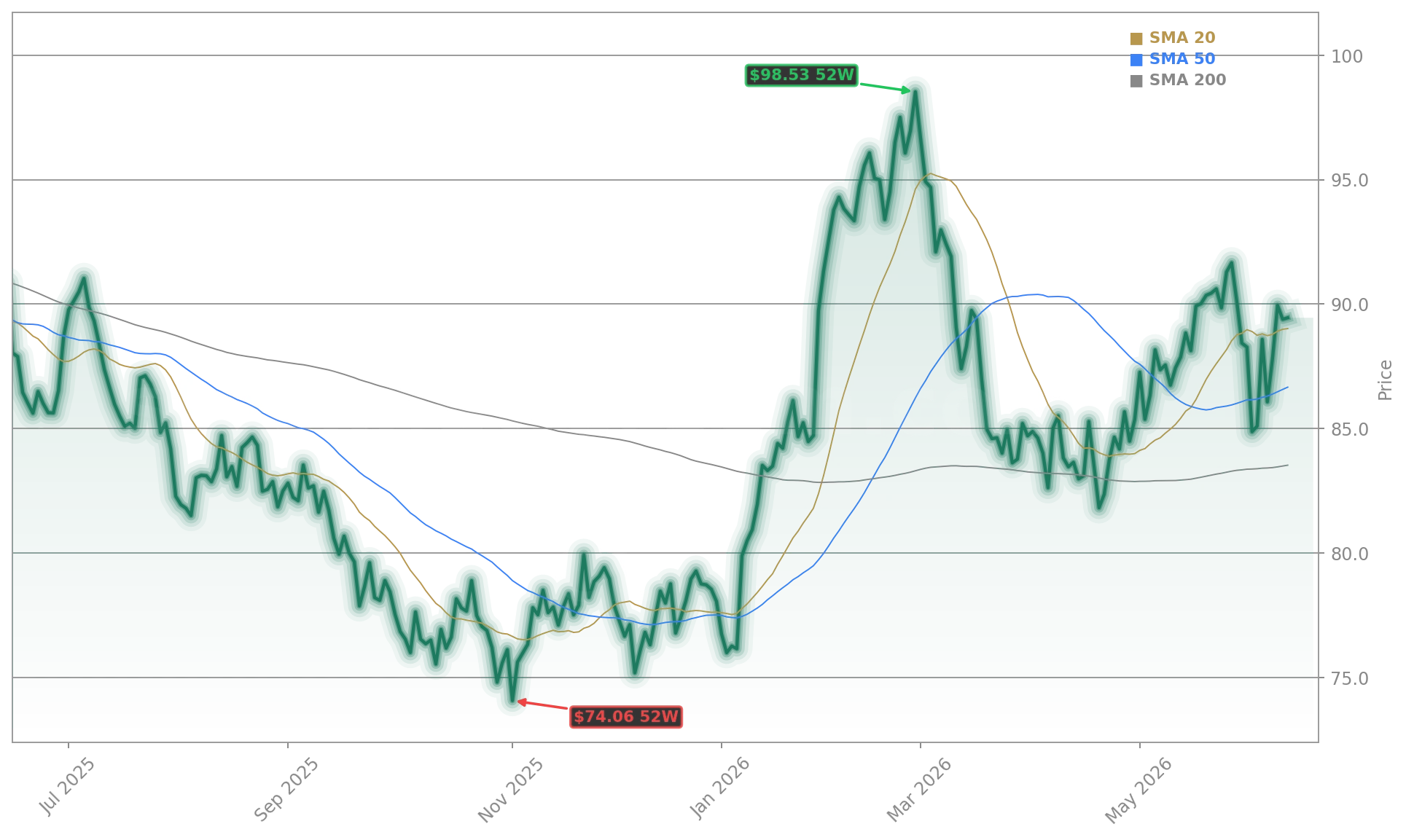
Market skepticism remains elevated despite the Friday signing ceremony in Switzerland. Goldman Sachs commodities strategist Jeff Currie warned: ‘The WTI Hormuz Deal is a framework, not a resolution — and the implementation timeline is deliberately vague.’ He noted that mine-clearing, port reactivation, and vessel insurance reinstatement could delay meaningful flow restoration by 6–10 weeks. Further, Israel’s weekend strikes in Lebanon — condemned by President Trump — underscore fragility. ‘A single Hezbollah escalation could reprice the entire risk premium overnight,’ Currie added. Analysts at ANZ estimate it will take at least 90 days for Hormuz volumes to reach 60% of pre-war levels — meaning WTI could rebound into the mid-$80s by late July.
What’s Next for Tech, Bitcoin, and the S&P 500?
Falling oil prices are lifting risk assets across the board — and the S&P 500 is up 0.9% this morning, led by tech and semiconductors. NVIDIA rose 2.1% as lower energy costs ease data center operating expenses, while Apple gained 1.3% on improved consumer spending outlook. Bitcoin surged to $65,733 — a 2.2% 24-hour gain — as inflation fears receded. According to TD Securities’ Bart Melek, ‘The WTI Hormuz Deal removes the single largest tail risk for risk-on assets — but it doesn’t eliminate the need for higher-for-longer rates. Fiscal deficits and wage inflation remain intact.’ Meanwhile, the Nasdaq’s 0.3% Friday rally extended into Monday, outperforming the Dow as rate-sensitive sectors reassert leadership.
Are U.S. Gas Prices Falling — and What About the Fed?
The WTI Hormuz Deal is a framework, not a resolution — and the implementation timeline is deliberately vague.— Jeff Currie, Goldman Sachs
U.S. gasoline averages have already dropped 1.5% to $4.06/gallon — the third straight weekly decline, per AAA. But the real test comes this week: the Federal Reserve’s first meeting under Chair Kevin Warsh. While a pause is all but certain, the WTI Hormuz Deal gives Warsh critical breathing room. ‘This deal doesn’t solve structural inflation, but it buys time,’ said Morgan Stanley’s Michael Wilson. ‘If WTI holds below $82 through July, the Fed gains flexibility to delay cuts until Q4 — and avoid the mistake of premature easing.’ With the S&P 500 trading near all-time highs and oil volatility collapsing, Wall Street now faces a new question: Is the WTI Hormuz Deal the pivot point — or just a pause before the next crisis?