
Can Coinbase Migration momentum outweigh a 2.3% stock drop as ARK doubles down and Wall Street lifts revenue expectations?

Why is Coinbase Migration surging now?
With the European Union’s Markets in Crypto-Assets (MiCA) compliance deadline set for July 1, 2026, investors and institutions are executing rapid Coinbase Migration to licensed platforms. Competitors including OKX and Bitpanda report similar inflows—but Coinbase Global, Inc. stands out due to its U.S. regulatory clarity, institutional custody infrastructure, and integration with tokenization partners like Centrifuge. The firm’s strategic investment in Centrifuge, now the preferred tokenization partner for Apollo and Janus Henderson funds, positions it at the nexus of traditional finance and decentralized asset issuance. As a result, Q2 2026 saw $3.1 billion in net new assets deposited—up 42% from Q1—and custody revenue rose 57% quarter-over-quarter.
How did ARK Invest’s $6.85M COIN purchase impact sentiment?
Cathie Wood’s ARK Invest acquired 45,164 shares of Coinbase Global, Inc. on Monday—valued at $6.85 million—making it the largest single-day institutional purchase in the firm’s 2026 crypto portfolio. The trade was executed across ARKK, ARKW, and ARKF ETFs and follows a broader $25.5 million crypto-sector buying spree last week. While Bitcoin ETFs bled $444.5 million in a single day amid macro uncertainty, XRP ETFs logged eight straight weeks of inflows—highlighting investor preference for regulatory-clarity narratives. ARK’s move signals confidence not just in Coinbase’s exchange business, but in its expanding role across tokenized securities, stablecoin infrastructure (via Circle), and institutional DeFi rails.
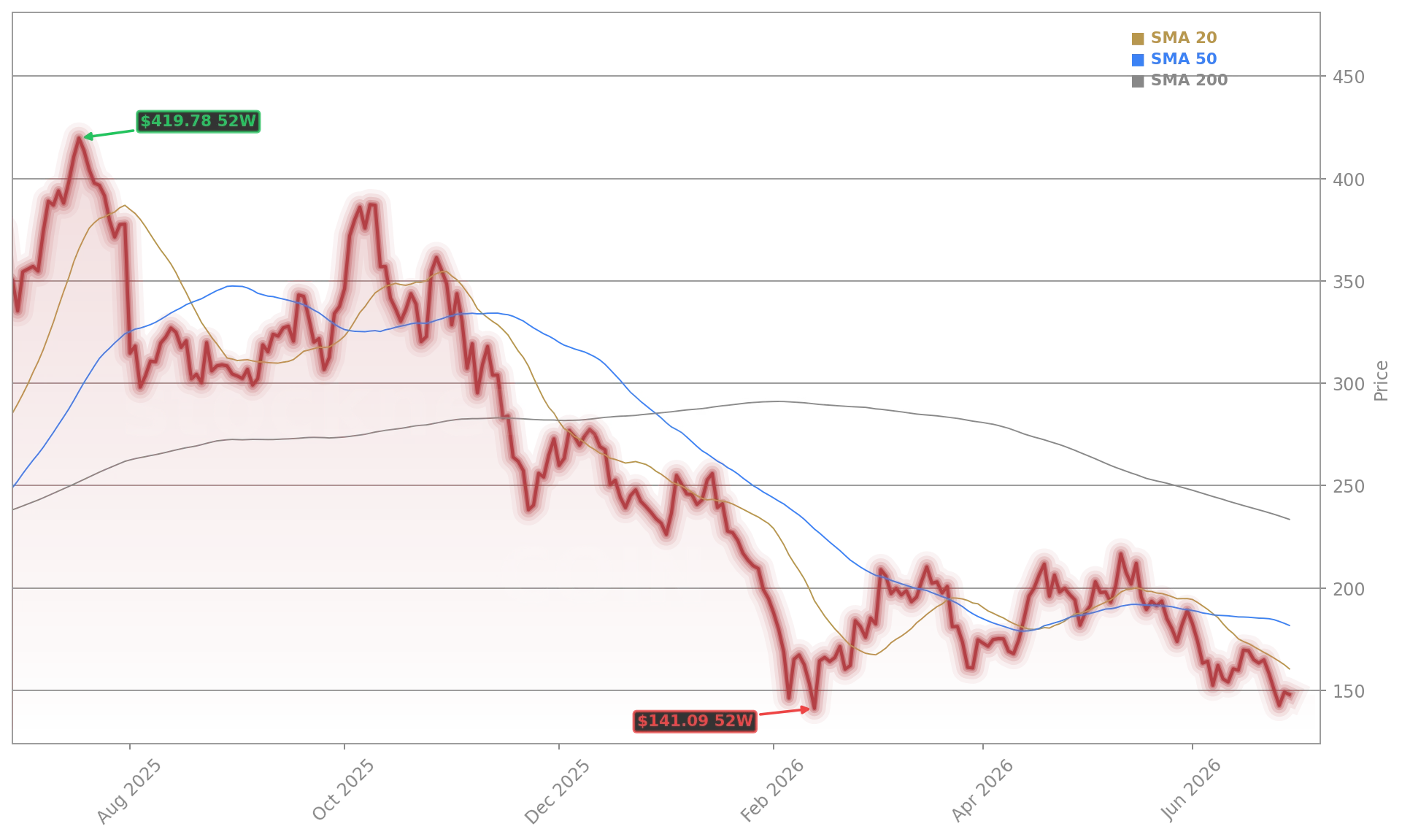
What does Coinbase Migration mean for Wall Street’s earnings models?
Analysts are revising Q2 estimates upward: Citigroup lifted its price target to $162, citing ‘structural inflows from MiCA-driven Coinbase Migration and accelerating subscription revenue from Base and staking services.’ RBC Capital Markets upgraded Coinbase Global, Inc. to ‘Outperform,’ noting that 68% of Q2’s revenue now comes from non-trading sources—up from 41% in Q2 2025. That shift matters for S&P 500 and NASDAQ investors: unlike cyclical peers such as Tesla or Apple, Coinbase Global, Inc. is evolving into a recurring-revenue infrastructure play. Its Q2 gross margin expanded to 73%, outpacing both NVIDIA’s data center services segment and fintech peers like Robinhood and Bullish—both of which ARK also bought Monday.
How do competitors compare amid the Coinbase Migration wave?
Coinbase Migration isn’t just about compliance—it’s the onboarding mechanism for the next decade of tokenized finance.— Citigroup Research Team
While OKX and Bitvavo launched 8% deposit bonuses to lure users, Coinbase Global, Inc. leveraged its regulatory moat and institutional-grade custody to capture high-value flows. Circle—whose USDC integration with Bank of New York Mellon just expanded—benefited indirectly, as over 37% of new Coinbase Migration deposits were settled in USDC. Meanwhile, Robinhood’s crypto revenue grew just 11% QoQ, underscoring the competitive advantage of Coinbase’s end-to-end infrastructure. With BlackRock’s iShares Bitcoin Trust now holding $45 billion in AUM—nearly four times Fidelity’s—investors are increasingly allocating to regulated, on-chain-native platforms. That dynamic amplifies the strategic value of every Coinbase Migration, not just as a compliance event—but as a long-term wallet acquisition channel.