
Can a surprise double-upgrade from Wall Street finally turn this struggling clean energy pioneer into a profitable market leader?

Why did the Fuelcell Energy Upgrade happen?
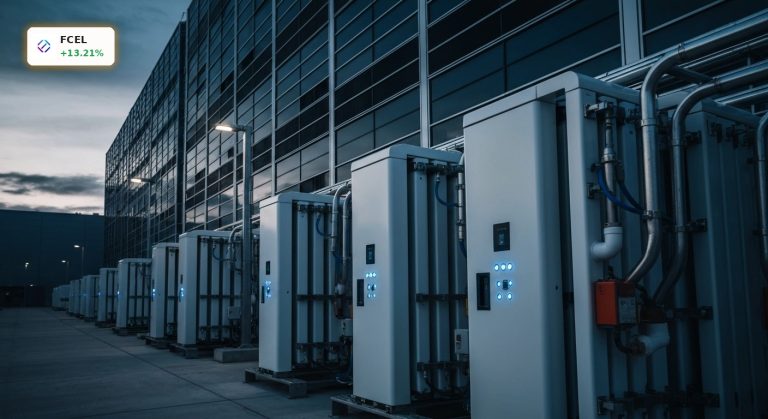
The primary driver behind the massive rally was a significant rating change from Swiss investment bank UBS. Analysts at UBS officially issued a Fuelcell Energy Upgrade, raising their rating on the stock from Neutral to Buy. Along with the upgrade, the firm increased its 12-month price target from $22 to $27. This new target implies a potential upside of approximately 42% from the stock’s previous closing price of $19.08.
UBS pointed toward improving strategic progress and a massive backlog as key reasons for the bullish outlook. The investment bank noted that the clean energy provider is uniquely positioned to benefit from the rapidly growing demand for low-carbon power solutions, particularly in energy-intensive industries.
How does Siemens fit into the growth story?
Beyond the analyst optimism, FuelCell Energy also benefited from a major technological collaboration with industrial giant Siemens. The two companies signed a memorandum of understanding to accelerate the deployment of large-scale fuel cell power systems. Under the agreement, Siemens will provide electrical balance-of-plant (EBOP) systems for installations exceeding 100 megawatts.
This partnership aims to deliver comprehensive distributed energy solutions, combining fuel cells, battery storage, and advanced microgrid controls. By standardizing these systems, the companies expect to significantly reduce project deployment timelines and capital costs. The collaboration also includes pilot projects for medium-voltage DC power delivery, which could eventually scale into full commercial deployments.
Is artificial intelligence driving demand?
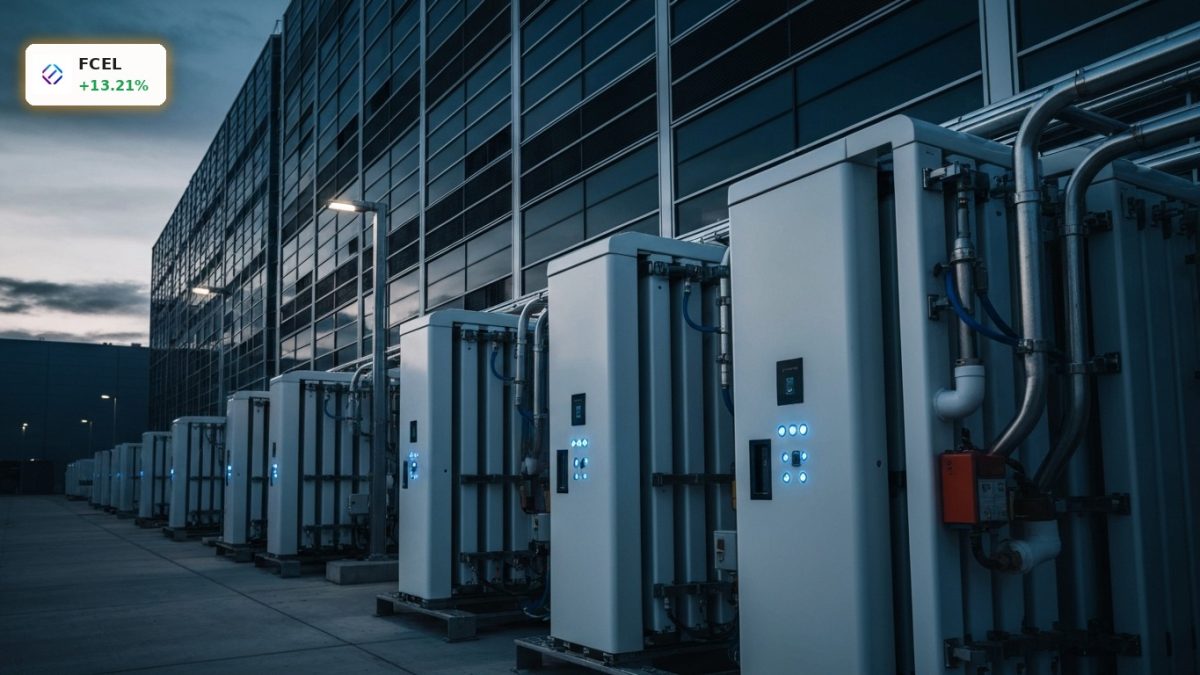
The global boom in Artificial Intelligence (AI) and high-performance computing is acting as a massive tailwind for the company. Data centers require immense amounts of continuous, reliable, and clean electricity. Currently, more than 80% of the company’s 1.5-gigawatt project pipeline is dedicated to powering data centers. As tech giants search for carbon-neutral alternatives to support their AI infrastructure, decentralized fuel cell installations are becoming an increasingly attractive option.
This massive pipeline has helped Wall Street look past some of the company’s near-term financial hurdles. In its most recent quarterly report, the company posted a net loss of $77.6 million on revenue of $35 million. However, the long-term backlog suggests that commercialization is accelerating.
How did the stock recover from dilution?
The positive momentum has also allowed the stock to bounce back from dilution fears. Just last week, the company completed an upsized $225 million public equity offering, issuing 10.71 million shares at a discounted price of $21 per share. While the capital raise initially caused a sharp sell-off, today’s trading session saw the stock climb back above that offering price, signaling that investors are now focusing on the company’s funded growth runway rather than short-term dilution.
Related Coverage
This rapid recovery stands in stark contrast to the market’s initial reaction, which we analyzed in FuelCell Energy Offering -8.9% Shock After $225M Raise, detailing how the heavily discounted share sale originally spooked investors. Meanwhile, the broader clean energy and technology sectors continue to experience high volatility, similar to the market movements covered in Rocket Lab Iridium Acquisition: Stock Plunges 6% Despite $8B Deal, where even massive industrial agreements have faced skeptical short-term reactions from Wall Street.