
Can FuelCell Energy’s big data center win finally turn AI power hype into real execution and lasting investor confidence?

What Does the FuelCell Energy Data Center Deal Mean for AI Infrastructure?
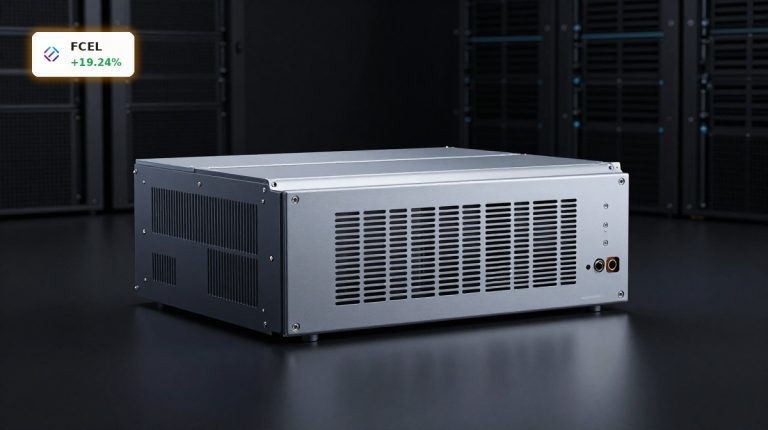
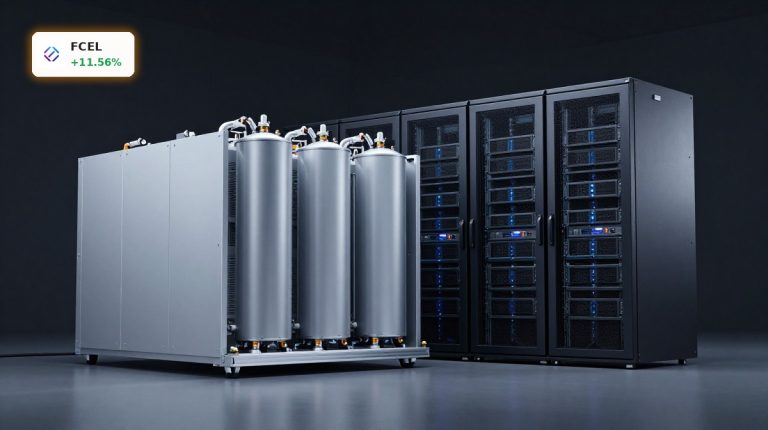
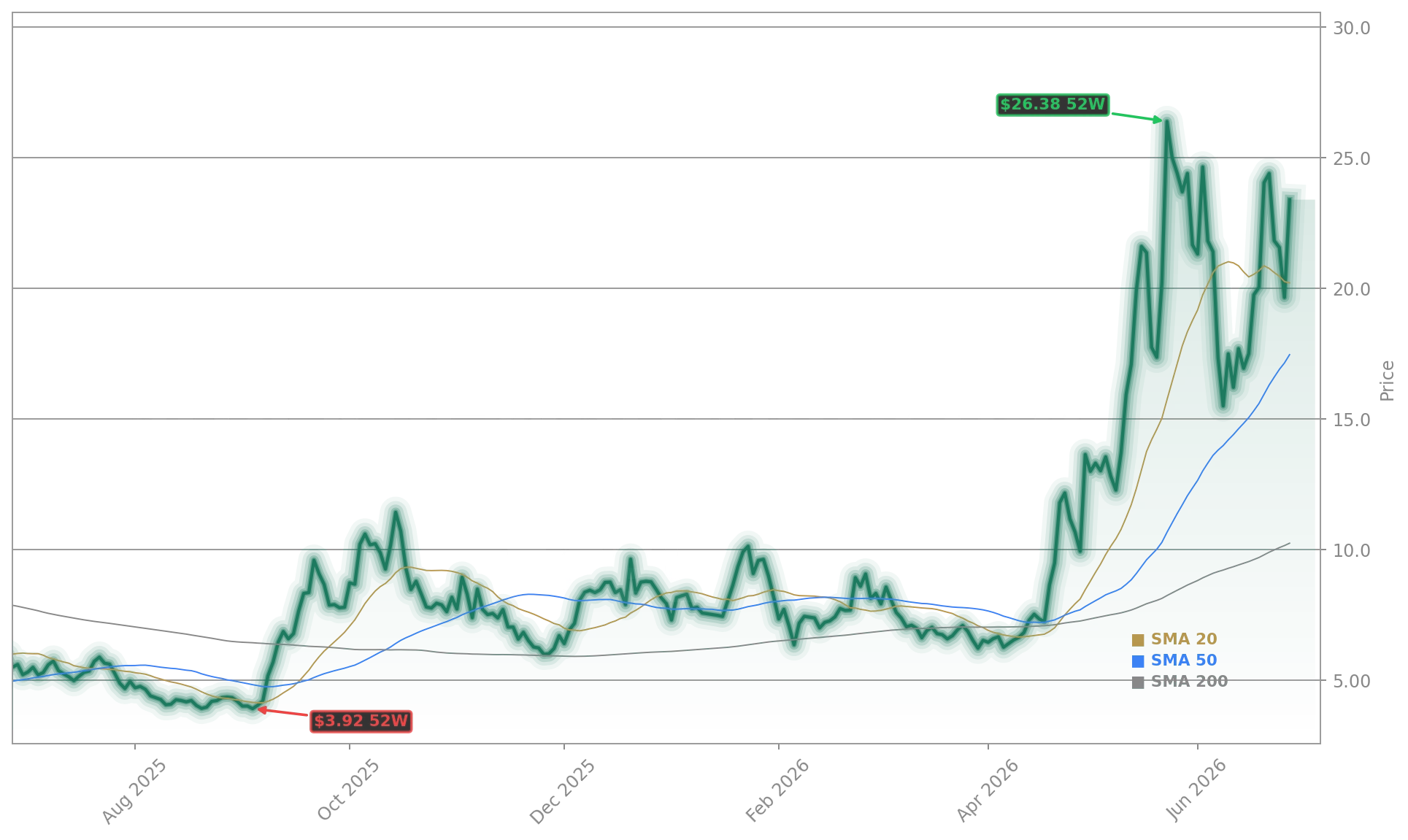
FuelCell Energy’s strategic agreement with Fit Energy is no pilot project — it’s a 380 MW commercial commitment, with an immediate $30 million deposit for the first 30 MW slated for delivery in late 2026. That initial tranche provides near-term revenue visibility, while warrants tied to future deployment milestones create scalable upside. Crucially, the deal validates FuelCell Energy’s pivot toward AI data centers: management reports a 4 GW commercial pipeline, of which 90% is data center–focused. That positions the company directly in the path of surging AI power demand — a theme already fueling massive capital flows to NVIDIA, Tesla, and infrastructure enablers. Unlike intermittent renewables, FuelCell Energy’s fuel cells deliver 24/7 baseload power — a critical advantage for hyperscale operators facing grid constraints and uptime SLAs.
Why Did Jefferies Upgrade FuelCell Energy Today?
Jefferies analyst Dushyant Ailani upgraded FuelCell Energy from Hold to Buy and raised the price target from $16 to $24 — a 50% increase — citing the Fit Energy deal as a ‘material execution inflection.’ The upgrade arrives just days after Canaccord Genuity also initiated coverage at Buy with a $30 price target, highlighting growing consensus that FuelCell Energy’s Torrington, Connecticut facility expansion — funded at $200–$275 million — will enable a jump to 500 MW of annualized capacity. With FCEL up 307% over the past year, the Jefferies call signals that Wall Street is no longer pricing in just potential, but tangible deployment traction. The $24 target implies ~2% upside from current levels — but more importantly, it anchors institutional confidence ahead of Q2 2026 earnings, expected in early August.
How Is FuelCell Energy Different From Bloom Energy Right Now?
While Bloom Energy (BE) tumbled 13% on Friday to $268.65, FuelCell Energy soared — a rare same-session divergence for two peers historically tied to AI power sentiment. Bloom Energy’s slide reflects profit-taking after a 1,331% one-year rally and competitive rotation, not deteriorating fundamentals: its Q1 2026 revenue hit $751 million (+130% YoY), and its $6 billion backlog remains intact. Yet FuelCell Energy’s FuelCell Energy Data Center Deal landed with concrete timing (Q4 2026 delivery start), scale (380 MW), and financial structure (deposit + warrants). That execution clarity — coupled with a lower forward P/E and beta of 2.9 versus Bloom’s 3.7 — made FCEL the tactical winner for momentum and value-oriented traders alike. For portfolio managers holding both, today’s move may trigger rebalancing toward the stock with clearer near-term catalysts.
What’s Next for FuelCell Energy’s Execution Timeline?
The market’s next test of FuelCell Energy is delivery — not announcements. Investors will closely monitor whether the initial 30 MW begins commercial operation in late 2026 as promised, and whether follow-on agreements emerge before the Q2 earnings call. The company’s $275 million Torrington expansion is critical: without it, scaling beyond 380 MW becomes a bottleneck. Meanwhile, competitive pressure is intensifying. Bloom Energy’s $5 billion Brookfield AI infrastructure partnership and Oracle collaboration remain formidable, and newer entrants like Apple-backed clean-energy ventures are monitoring the on-site power space. FuelCell Energy’s ‘extending the grid to data centers’ narrative resonates — but execution velocity will determine whether this FuelCell Energy Data Center Deal becomes a sector inflection point or just another milestone in a long buildout.
This agreement validates our decision to focus on AI data center power — it’s not just about megawatts, it’s about reliability, scalability, and revenue timing.— Jason Few, CEO of FuelCell Energy
Related coverage: Can a 380 MW data center power agreement finally give FuelCell Energy the execution credibility investors have been waiting for? FuelCell Energy Data Center Deal: 380 MW Boosts Outlook. Meanwhile, liquidity concerns continue to weigh on the broader clean energy infrastructure space — as seen in Plug Power Electrolyzer -1.7% Warning After Denmark Launch, underscoring how sharply execution risk is being priced across the sector.