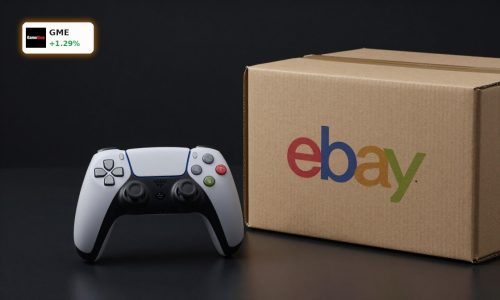

Can GameStop’s massive multi-billion dollar cash cushion finally spark a successful operational turnaround, or is the retail favorite running out of time?

How Is GameStop Performing in the Current Market?
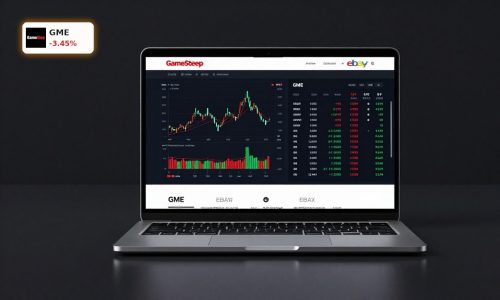
During Tuesday’s trading session, GameStop (GME) shares rose by 1.66%, closing at $22.39, up from the previous close of $22.03. This positive movement comes amid a broader consolidation phase across the retail trading sector. While the stock remains well below its previous speculative peaks, the recent price action suggests that retail buyers are still actively defending key support levels. Market participants are analyzing whether the company’s cash reserves can be effectively deployed to generate long-term value.
What Are Financial Institutions Saying About GameStop?
Wall Street remains highly divided on the valuation of the retail gaming giant. While some independent analysts point to the company’s multi-billion dollar cash cushion as a safety net, major investment banks maintain a highly cautious stance. Analysts at Jefferies have previously highlighted that while the company has successfully raised capital through equity offerings, a clear operational turnaround strategy is still missing. Meanwhile, research firms like Wedbush Securities have maintained underperform ratings on the stock, pointing out that the core physical software market continues to shrink rapidly as digital distribution dominates the industry.
Can GameStop Maintain Its Momentum?
For GameStop to sustain its upward trajectory, it must prove to the wider market that it can transition away from its legacy brick-and-mortar business model. The company has attempted various digital and collectible-focused pivots, but none have yet replaced the high-margin revenue of used physical games. Investors are keeping a close eye on upcoming quarterly reports to see if interest income from their cash hoard is enough to offset ongoing operational losses. In the current high-interest-rate environment, holding cash is beneficial, but the market ultimately rewards sustainable revenue growth over passive interest accumulation.
How Do Competitors Compare in This Environment?
When comparing GameStop to broader entertainment and technology competitors, the valuation discrepancy becomes apparent. Companies like Sony and Microsoft continue to dominate the gaming ecosystem through their respective console platforms and digital subscription networks. As these tech giants capture a larger share of consumer spending, independent retailers face uphill battles. Institutional investors often prefer allocating capital to these established platforms, leaving retail-driven equities to experience higher volatility and unpredictable swings in the public market.