Can the proposed GameStop Acquisition of eBay really turn a meme stock into a $56 billion marketplace powerhouse—or break it instead?

Is Wall Street buying the GameStop Acquisition story?
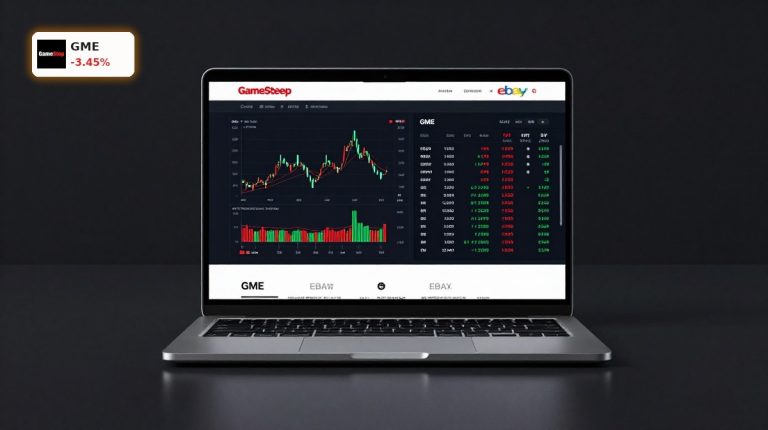
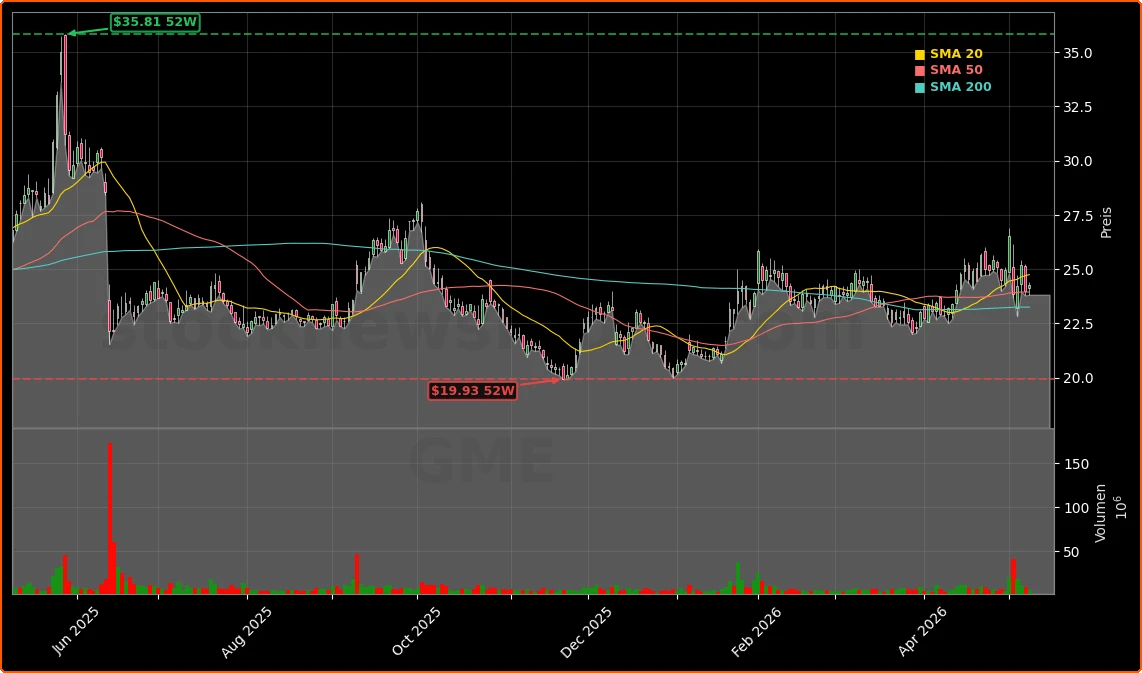
GameStop Corp. (GME) ended Friday’s session at $24.28, up about 1.3% on the day, well below its 52‑week high of $64.83 but far above the $9.95 low. The stock remains a high‑beta, meme‑driven trading vehicle, yet the proposed GameStop Acquisition of eBay has shifted the narrative from short squeezes to large‑cap M&A risk. Cohen wants to pay roughly $125 per eBay share in a cash‑and‑stock deal totaling about $55.5–56 billion, implying roughly a 20–40% premium over where eBay traded when he began accumulating shares.
GME’s market value is a fraction of eBay’s, so the bid immediately raised questions on Wall Street about feasibility. While no major bank has published a fresh rating specifically tied to the proposal yet, several research desks have cautioned that layering tens of billions of dollars of new debt onto a historically volatile meme stock could strain credit quality and limit strategic flexibility. In parallel, some hedge funds and retail traders are clearly treating GME as a short‑term volatility play rather than a long‑term e‑commerce compounder.
How would GameStop and eBay finance the deal?
Cohen’s now‑memed “half cash, half stock” formula sits at the center of the GameStop Acquisition debate. He says GameStop is holding about $9–9.4 billion in cash and investments and has an expression of confidence from TD Bank to place around $20 billion in debt. Together, that roughly $29 billion pool would cover the cash side of the bid he has outlined in interviews.
On the stock side, eBay shareholders would roll the remaining value into equity of the combined entity. Cohen argues that this equity component would be earnings‑per‑share accretive for existing GameStop investors because he plans to cut as much as $2 billion in annual operating expenses at eBay, driving higher margins and a structurally more profitable platform. He has sharply criticized eBay’s cost base and governance, alleging that executives have sold “hundreds of millions” of dollars in stock without buying shares themselves and that a lax, drinking‑friendly culture has undermined discipline.
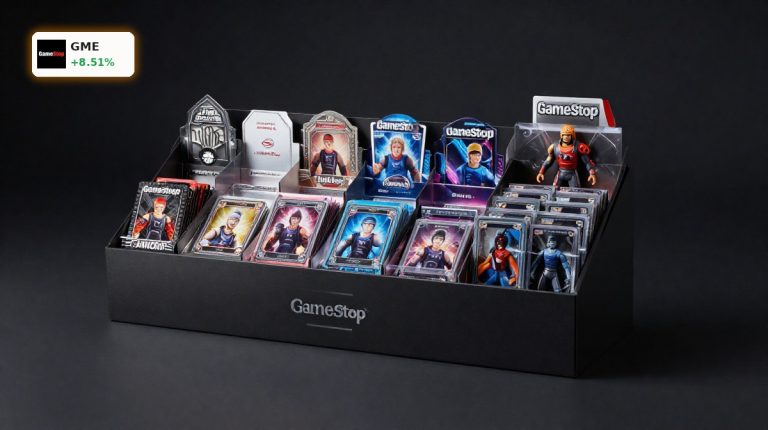
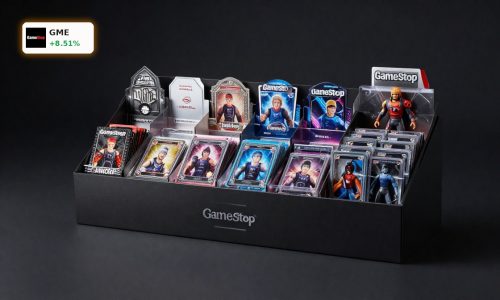
That cost‑cutting and governance thesis echoes the activist playbook Cohen used at GameStop in 2022, when he repositioned the business around efficiency, store consolidation and selective digital bets like trading‑card “Power Packs” rather than aggressive brick‑and‑mortar expansion.
What does the GameStop Acquisition mean for the business model?
If completed, the GameStop Acquisition of eBay would radically transform GameStop from a specialty video‑game and collectibles retailer into a global marketplace operator. Cohen envisions using GameStop’s roughly 1,600 U.S. stores as a physical network for eBay, supporting in‑person returns, authentication and higher‑touch services for categories like refurbished electronics, luxury goods and collectibles.
In that sense, GameStop would be trying to move closer to the playbooks of Apple’s retail footprint, Tesla’s direct‑to‑consumer model, and even NVIDIA’s ecosystem strategy, positioning physical locations as brand and service hubs that complement online scale. For U.S. investors, that would represent a far more diversified revenue base than GameStop’s current dependence on used games, hardware trade‑ins and emerging initiatives like digital trading cards.
Cohen, who earned his fortune building Chewy, sees eBay as under‑optimized relative to the broader e‑commerce boom. He contends that a leaner, owner‑driven structure could push operating income meaningfully higher without the burden of managing inventory, putting the combined GameStop–eBay platform in a different strategic lane from traditional retailers and even marketplace‑enabled competitors such as Apple’s App Store and other digital ecosystems.
How are major investors reacting?
Not everyone shares Cohen’s enthusiasm. Michael Burry, who once championed GameStop as a cash‑rich, debt‑free vehicle that could evolve into a Berkshire‑style capital allocator, has exited his GME position, arguing that the proposed leverage required for the GameStop Acquisition breaks his thesis. For Burry and other value‑oriented investors, the shift from fortress balance sheet to highly geared acquirer tilts the risk‑reward sharply toward downside in any macro or execution stumble.
Other market participants are more agnostic, viewing the situation as a binary bet. If Cohen successfully finances the deal on reasonable terms, executes the $2 billion cost‑reduction plan and re‑accelerates eBay’s growth, the combined company’s equity could command a far higher valuation than GameStop alone. If credit markets balk, regulators raise obstacles, or eBay’s board prefers independence or a different buyer, GME could be left with acquisition overhang, higher volatility and no transformational asset to show for it.
Sell‑side commentary from major banks like Morgan Stanley, Goldman Sachs or Citigroup has so far focused on scenario analysis rather than explicit ratings changes, flagging the potential for elevated share‑price swings around each new headline. With GME already known for abrupt spikes and drawdowns, many portfolio managers are treating the stock as a high‑risk satellite position, if they touch it at all.
Related Coverage
For a deeper dive into the initial shock reaction to Cohen’s $56 billion proposal, readers can review this detailed analysis of the GameStop Acquisition bid and market response, which dissects the early funding math, credit‑rating concerns and price action around the announcement. Together with today’s update on Cohen’s latest financing comments, that piece helps frame the evolving bull‑versus‑bear debate as Wall Street weighs whether this deal is creative destruction or just destruction.
I’m going to continue doing whatever I need to do in order to buy the business.— Ryan Cohen, CEO of GameStop Corp.
In the end, the GameStop Acquisition of eBay would mark one of the most audacious pivots in recent U.S. retail and e‑commerce history. For investors, the stock now represents a leveraged bet on Ryan Cohen’s ability to cut costs, reshape culture and convince lenders to back a once‑in‑a‑generation roll‑up. The next moves from eBay’s board, credit markets and GameStop’s own shareholders will determine whether this headline‑grabbing GameStop Acquisition becomes a new cornerstone of the company’s strategy or merely the latest chapter in meme‑stock volatility.