
Can Intel’s high-stakes gamble on chip manufacturing save the tech giant, or is the stock turning into a massive value trap?

How Is Intel Navigating the Shifting Market?
The chipmaker is currently navigating one of the most complex turnarounds in tech history. While competitors like NVIDIA and AMD capitalize on the booming demand for AI graphics processors, Intel is heavily investing in its foundry business to manufacture chips for other companies. This dual-track strategy of designing its own chips while building out a massive manufacturing infrastructure has put a severe strain on its financial performance.
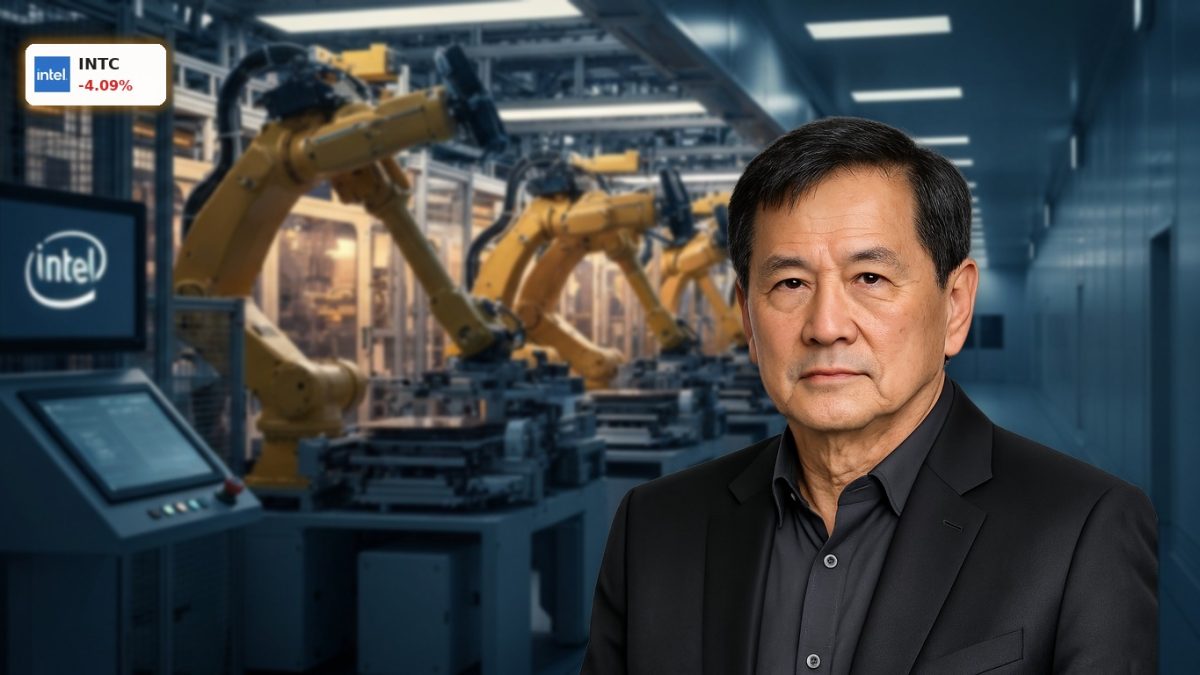
In intraday trading on Friday, Intel Corporation (INTC) shares fell by 4.09% to $92.70, down from the previous close of $96.98. This downward pressure reflects growing skepticism on Wall Street regarding the timeline of the company’s profitability. Building state-of-the-art fabrication plants, or fabs, requires hundreds of billions of dollars in capital expenditure, and the payoff is still years away. Meanwhile, the traditional PC and server CPU markets, where the company historically dominated, are growing at a much slower pace.
Will the New Manufacturing Strategy Pay Off?
The core of the company’s long-term plan relies on its ability to attract external customers to its new manufacturing nodes. However, high-volume production is notoriously difficult to master, and initial yields can severely hurt profit margins. Wall Street analysts have expressed concern that the foundry segment will continue to drag down consolidated margins for the foreseeable future, making the stock highly volatile compared to the broader tech market.
Several major investment banks have weighed in on the stock’s current valuation. Citigroup recently maintained a cautious stance on the semiconductor giant, highlighting that while the long-term foundry vision is ambitious, the near-term execution risks remain exceptionally high. Similarly, RBC Capital Markets pointed out that the company faces stiff competition from TSMC, which currently commands the lion’s share of the advanced packaging and manufacturing market. Analysts from Goldman Sachs also noted that until the chipmaker can prove it can secure major, high-volume external customers for its advanced nodes, the stock is likely to remain range-bound.
What Does This Mean for Tech Investors?
For investors, the key question is whether the current valuation represents a buying opportunity or a value trap. The broader technology sector has been driving the S&P 500 to new heights, but the chipmaker has largely underperformed its peers. The massive capital requirements mean that free cash flow will remain tight, limiting the company’s ability to return cash to shareholders through buybacks or dividend increases in the near term.
Furthermore, the enterprise server segment is shifting rapidly. Hyperscalers are increasingly designing their own custom silicon, bypassing traditional chip designers altogether. This structural shift in the market forces the company to not only compete with traditional rivals but also with its own largest customers. The upcoming quarters will be critical to see if the company can execute its product roadmap without further delays.