
Will Intel’s massive bet on ASML’s next-generation lithography finally break TSMC’s dominance in the global AI chip race?

How does the Intel ASML High-NA EUV partnership change the game?
For months, Wall Street analysts and industry experts debated whether the next-generation lithography systems from Dutch manufacturer ASML were economically viable. Skeptics, including rivals like TSMC, previously suggested that the high capital expenditure required for these machines made them too costly for mass production. However, Intel Corporation (INTC) has silenced doubters by successfully utilizing the system to manufacture a portion of its upcoming Intel Core Ultra Series 3 processors, codenamed Panther Lake.
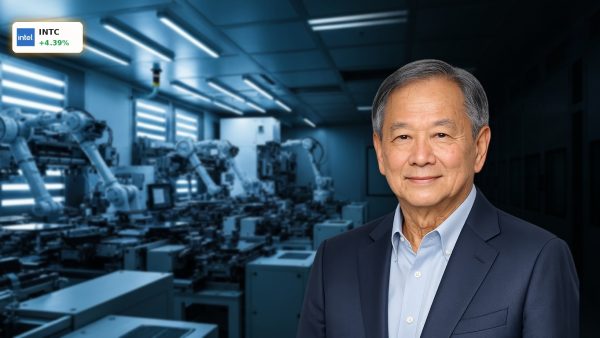
These advanced processors are being built using the Intel 18A process node. By utilizing the Intel ASML High-NA EUV technology for critical production steps, the company can print features smaller than 10 nanometers. This extreme precision allows for denser, more energy-efficient, and highly powerful chips designed specifically to handle intense artificial intelligence workloads. Intel confirmed that the first chips manufactured with this process are already being delivered to customers, with production yields matching the older NXE EUV systems.
Why is Intel taking the lead over global competitors?
While competitors like TSMC have taken a more cautious, cost-conscious approach to upgrading their fabrication facilities, Intel has chosen to act as the pioneer customer for ASML’s most advanced hardware. The US chipmaker was the first to install the commercial-grade High-NA EUV system at its research and development hub in Hillsboro, Oregon, and has now integrated the second-generation TWINSCAN EXE:5200B system. This aggressive technological push is central to the turnaround strategy of the American semiconductor giant.
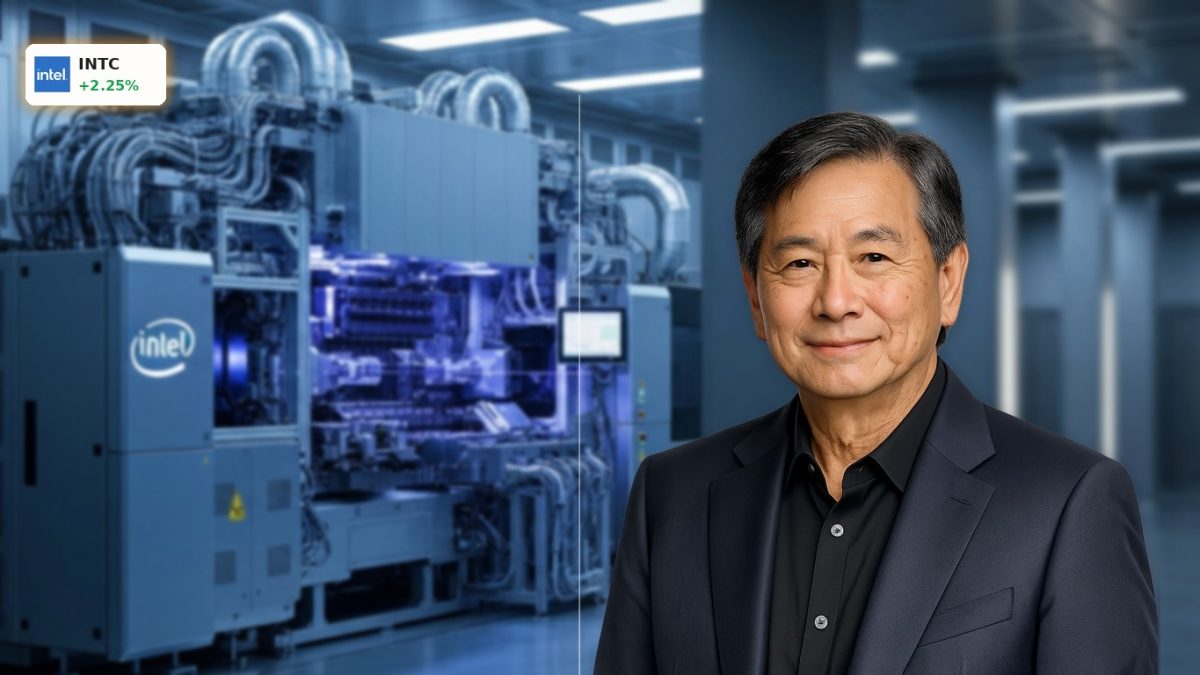
During intraday trading on Wednesday, July 15, 2026, Intel shares rose 2.25% to $110.28, building on a strong multi-day rally that saw the stock gain 4.5% followed by another 3.6% overnight. The broader semiconductor sector has experienced a massive wave of momentum, fueled by relentless enterprise demand for AI infrastructure. To keep pace with this surging global demand, Intel also announced a massive 5 billion euro ($5.712 billion) investment to expand its Leixlip campus in Ireland, significantly boosting its advanced processing capacity.
How do Wall Street analysts view the Intel turnaround?
The successful deployment of the Intel ASML High-NA EUV technology has drawn close attention from major investment banks. Analysts are closely watching whether this technological leap will translate into sustainable market share gains against rivals like NVIDIA and AMD. While some cautious traders on Wall Street note that Intel has historically struggled with execution, the successful high-volume rollout of Panther Lake provides concrete evidence of manufacturing maturity.
In recent evaluations, major financial institutions have updated their outlooks on the semiconductor sector. For instance, investment banks like Goldman Sachs and Citigroup have highlighted that securing early access to ASML’s next-generation machines could give Intel a crucial multi-year head start in foundry services. Meanwhile, RBC Capital Markets continues to monitor how these heavy capital investments will impact Intel’s long-term margins as the company scales its global foundry business.
Related Coverage
To better understand the financial momentum behind this technological breakthrough, read our analysis on the Intel Earnings: Stock Surges 4.4% as AI Server Demand Ignites Rally, which examines how institutional buyers are betting millions on the company’s turnaround. Additionally, for broader tech sector context, check out our report on Microsoft Valuation: Why the 20% Drop Offers a Rare Buy Signal to see how major software giants are currently priced relative to the wider market.
This milestone reflects the close technical collaboration between Intel and ASML and shows how High-NA EUV can be integrated into advanced semiconductor manufacturing at scale.— Naga Chandrasekaran
The successful integration of the Intel ASML High-NA EUV manufacturing process represents a defining moment for the Western semiconductor supply chain. By proving that these ultra-expensive machines can be used efficiently in high-volume production, Intel has validated its aggressive technology roadmap. For long-term investors, this milestone significantly de-risks the upcoming Intel 18A rollout and positions the company as a formidable competitor in the high-stakes AI chip manufacturing landscape.