
Can Marvell AI Infrastructure turn networking hardware into the real power center of the AI boom?

What’s fueling Marvell’s AI infrastructure surge?
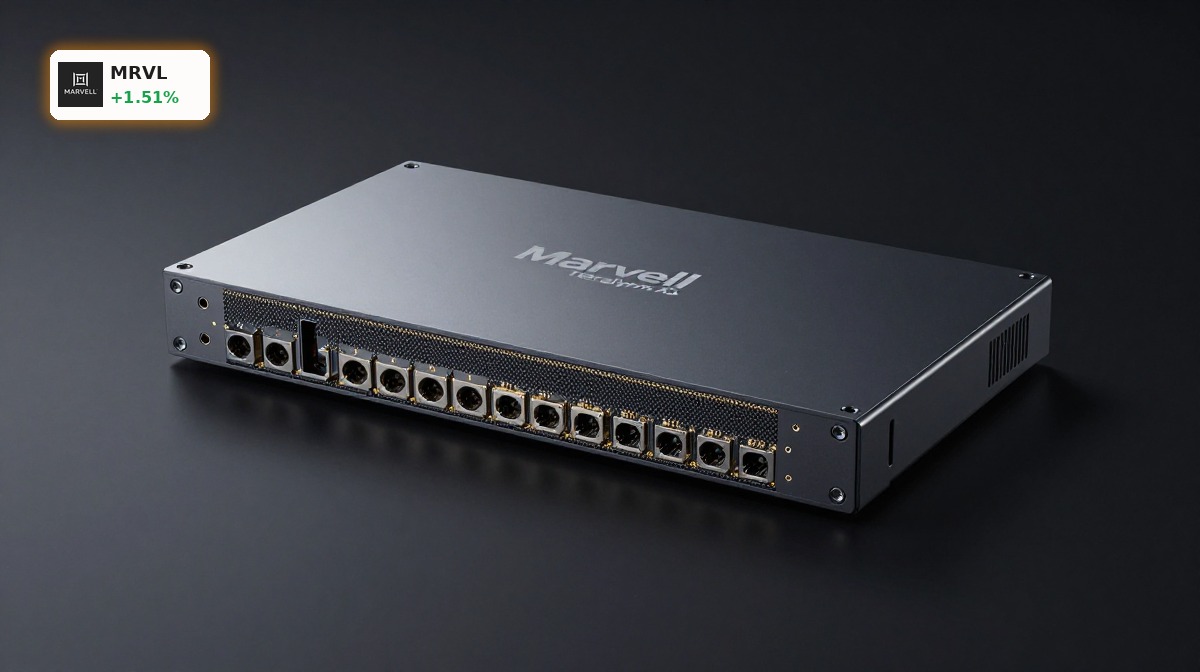
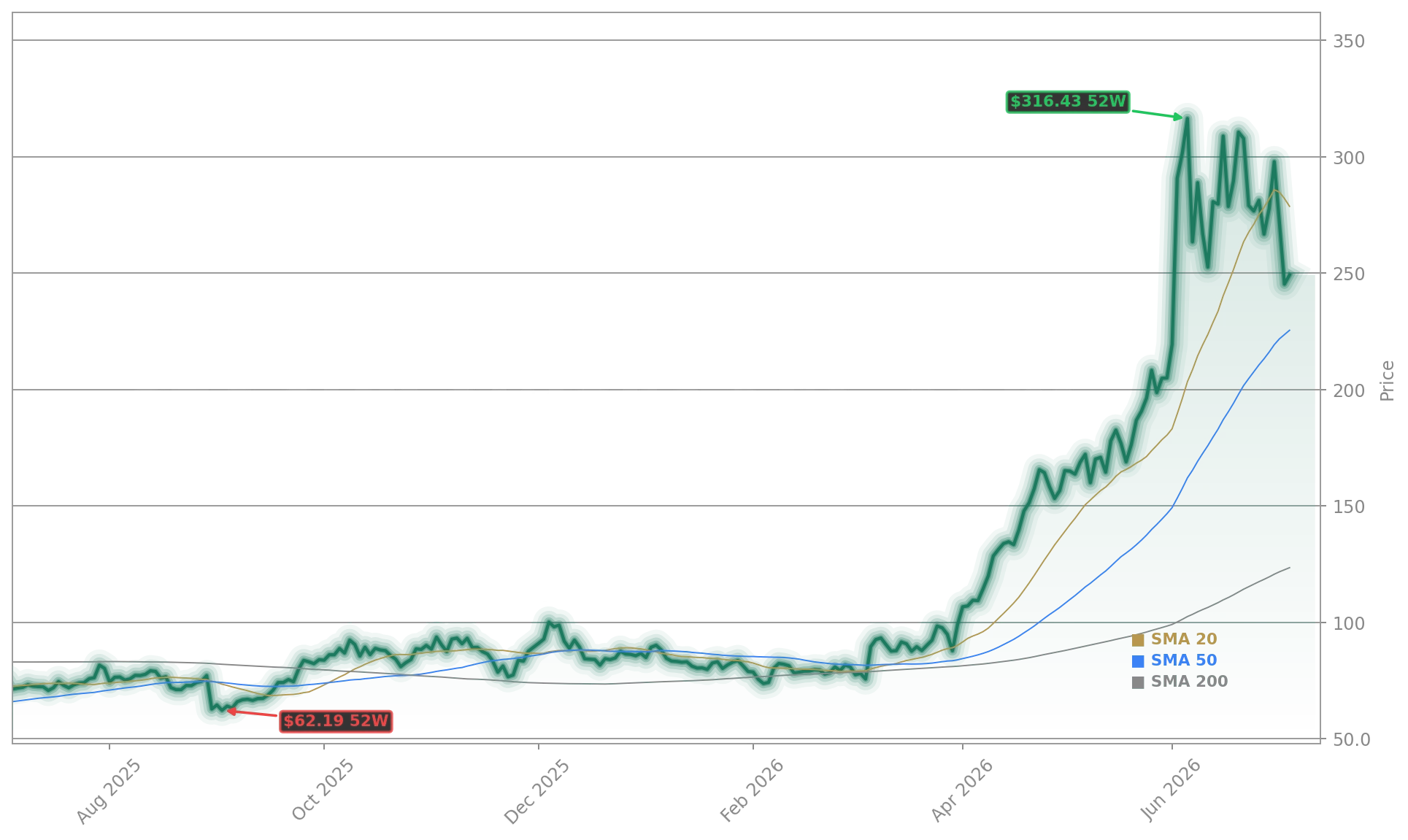
Marvell Technology, Inc. is rapidly evolving from a legacy connectivity player into a foundational AI infrastructure supplier—powering the data highways that feed NVIDIA GPUs, Meta AI clusters, and cloud-scale inference workloads. Its fiscal Q1 2027 results—ending May 2—showed data center revenue growing 50% year over year, with interconnect products alone projected to rise 70% in fiscal 2027. That growth is anchored in custom ASICs, Teralynx Ethernet switches, and DPUs integrated into hyperscaler stacks. UBS recently raised its price target to $340 from $230, citing the Teralynx T100’s 102.4 Tbps switching capacity—a critical enabler for AI cluster scalability.
How does Marvell AI Infrastructure compare to Broadcom and NVIDIA?
While NVIDIA dominates AI compute, Marvell Technology, Inc. owns the plumbing: optical interconnects, silicon photonics, and low-latency switching. Its $2 billion strategic investment from NVIDIA—and deeper NVLink integration—cements Marvell as a co-architect, not just a supplier. That contrasts sharply with Broadcom, which relies more on broad data center diversification. Marvell’s focus is surgical: 85%+ of its revenue now flows from data center infrastructure, versus Broadcom’s ~60%. Cantor Fitzgerald upgraded its price target to $300, noting Marvell’s analog and electro-optical IP moat is widening faster than peers’ in AI infrastructure.
Are acquisitions accelerating Marvell’s AI infrastructure leadership?
Yes—strategically and rapidly. The Celestial AI acquisition brought silicon photonics expertise to eliminate bandwidth bottlenecks in AI clusters, while XConn added high-performance switching IP for next-gen cloud data centers. These moves directly address the #1 constraint in AI scaling: data movement speed. Stifel lifted its price target to $350, highlighting Marvell’s ability to ‘monetize latency arbitrage’ across AI infrastructure layers. Institutional interest confirms the thesis: Tensor Edge Capital LLC bought $51.1 million in shares, and PFG Investments increased its stake by 23.4%—even as some insiders sold. That divergence underscores confidence in long-term Marvell AI Infrastructure demand over near-term valuation noise.
Can Marvell Technology, Inc. reach a $1 trillion market cap?
Marvell is the next trillion-dollar company.— Jensen Huang, CEO of NVIDIA
NVIDIA CEO Jensen Huang called Marvell the ‘next trillion-dollar company’ at Computex—no small endorsement. Reaching that milestone requires ~33% compounded annual growth over five years. Analysts project fiscal 2031 revenue of $33.1 billion, implying a 30x sales multiple could support $1 trillion. That’s ambitious—but plausible if Marvell sustains its >40% revenue CAGR and expands gross margins beyond 65%. With custom chips expected to exceed $10 billion in revenue by fiscal 2029, and optical interconnects gaining traction at Apple and Tesla AI data centers, the runway is widening. RBC Capital Markets notes Marvell’s ‘AI infrastructure flywheel’—where each new hyperscaler win reinforces design momentum—is now self-reinforcing.