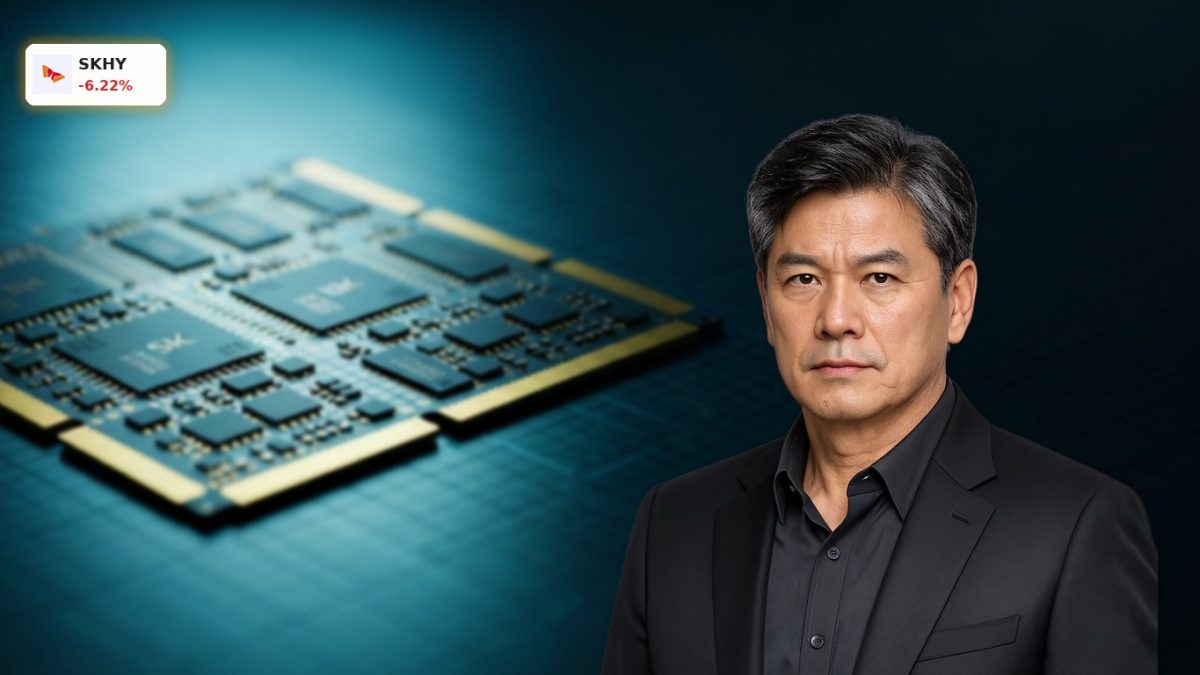
Will the sudden regulatory crackdown in South Korea derail the massive AI growth story of the world’s leading HBM memory supplier?

Why is the SK Hynix ADR experiencing extreme volatility?
The tech-heavy NASDAQ and global semiconductor equities have faced sharp downward pressure, dragging major hardware players lower. SK Hynix Inc. saw its shares slump significantly, with the newly minted SK Hynix ADR dropping as part of a wider 11% slide in overnight trading. This sharp correction was amplified by regulatory developments in South Korea. The local financial authorities announced temporary suspensions on new leveraged single-stock ETFs linked to major chipmakers to curb retail-driven speculation. Additionally, the Bank of Korea raised its benchmark interest rate by 25 basis points to 2.75% for the first time in over three years, citing inflationary pressures driven by the technology export boom.
This tightening monetary policy, combined with high leverage in domestic retail accounts, has triggered rapid profit-taking. Some market participants also point to competitive threats in China, where the upcoming listing of local memory manufacturer CXMT could challenge the conventional DRAM business of SK Hynix Inc., adding another layer of caution for international portfolios.
How does Barclays view the growth potential?
Despite the immediate market turbulence, Wall Street analysts remain exceptionally optimistic about the company’s operating fundamentals. Barclays recently initiated coverage on the SK Hynix ADR with an “Overweight” rating and an ambitious price target of $330. From the current trading level, this target implies a theoretical upside potential of nearly 100%. Analyst Simon Coles from Barclays emphasizes that the persistent supply shortage of high-performance memory chips grants the manufacturer immense pricing power, which is expected to drive revenues and profitability far beyond current consensus expectations.
The primary catalyst behind this bullish thesis is High Bandwidth Memory (HBM). As tech giants like NVIDIA aggressively expand their AI data centers, the demand for advanced HBM technology has skyrocketed. Controlling approximately 58% of global HBM revenue, the South Korean hardware giant is uniquely positioned to capture the lion’s share of this high-margin market. Furthermore, Barclays projects that the company could accumulate cash reserves exceeding 40% of its market capitalization by the end of 2027, paving the way for massive share buybacks.
What does this mean for US portfolios?
For American investors, the current pullback in the SK Hynix ADR presents a classic battle between short-term macro headwinds and long-term secular trends. The rapid unwinding of leveraged positions in Asian markets has undoubtedly spilled over to Wall Street, creating a volatile trading environment. However, the underlying demand for AI infrastructure remains robust. While some market strategists warn of a potential sentiment shift in global tech stocks due to high leverage, others view the current dip as an attractive entry point. The company’s critical role as a primary supplier to global AI leaders ensures that its financial performance remains tightly coupled with the ongoing expansion of artificial intelligence infrastructure worldwide.
Related Coverage
To better understand the dynamics of the global memory market, read about how the SK Hynix AI Memory Surges +21.9% as Nasdaq Premium Explodes, analyzing whether the company can maintain its absolute dominance as rivals close in. Additionally, compare these developments with the broader sector by exploring the recent TSMC Earnings: Stock Falls 2.1% Despite Blockbuster Record Profit to see how geopolitical risks and massive US expansions are shaping valuation models.
The current market correction highlights the inherent cyclicality and leverage risks associated with high-flying semiconductor equities. However, with the SK Hynix ADR backed by a near-monopoly in next-generation HBM technology and receiving highly favorable ratings from major institutions like Barclays, the long-term investment thesis remains firmly intact. Investors should monitor upcoming quarterly earnings to see if operational execution can successfully offset macroeconomic headwinds.