Will the dramatic post-listing plunge of the highly anticipated SK Hynix IPO derail the global artificial intelligence semiconductor rally?

How Did the SK Hynix IPO Perform on Nasdaq?
The newly listed American Depositary Receipts (ADRs) of South Korean memory giant SK Hynix made a splashy arrival on the Nasdaq. The company priced its massive offering of 177.9 million ADRs at $149 apiece, drawing ferocious demand that was reportedly seven times oversubscribed. On its first day of trading, the stock surged nearly 13% to close at $168.01, after reaching an intraday high of $177. Marquee growth investment firms, including Coatue Management and Baillie Gifford, signaled strong institutional conviction by planning to purchase up to $7 billion of the stock combined.
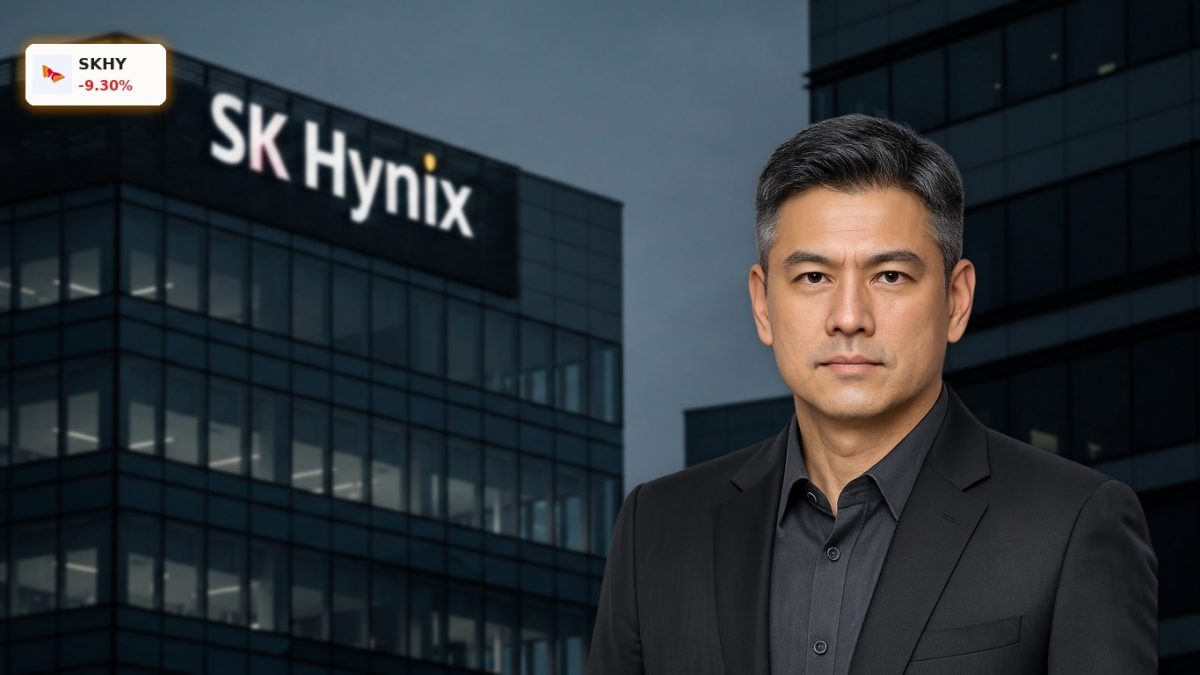
However, the post-listing momentum was short-lived. In the very next trading session, the stock faced intense downward pressure. During Monday’s market action, U.S.-listed shares of the chipmaker (SKHY) fell 9.30% to close at $152.39, trading just slightly above their initial offering price. This rapid reversal highlighted the stark contrast between short-term debut hype and the volatile nature of the semiconductor market.
Why Did the SK Hynix IPO Trigger a Global Chip Rout?
The sudden downturn was catalyzed by a historic crash in South Korea, where the company’s Seoul-listed shares plunged 15.4% in a single session. This represented the worst single-day decline in the company’s history, dragging the benchmark Kospi index down by 9% and triggering market-wide circuit breakers. The panic was fueled by profit-taking from domestic investors who chose to lock in gains following the successful launch of the SK Hynix IPO in New York, alongside a domestic brokerage report suggesting the company’s quarterly operating profits might miss consensus estimates.
This sharp correction immediately spilled over to Wall Street, dragging down major U.S. chipmakers. Competitors such as Micron Technology, Intel, and Advanced Micro Devices all saw their shares drop significantly. The sudden drop raised broader questions among institutional investors about whether the capital-intensive AI infrastructure trade has become overextended, especially as the free cash flow of major hyperscale cloud providers faces closer scrutiny.
What Do Wall Street Analysts Say About the Stock?
Despite the dramatic post-IPO price swings, major Wall Street investment banks remain highly optimistic about the company’s long-term competitive positioning. SK Hynix holds an effective monopoly in the high-bandwidth memory (HBM) sector, controlling more than 50% of the global market. Its advanced HBM chips are a critical component for NVIDIA AI accelerators, and the company has already sold out its planned HBM supply through 2026.
A 12.8% pop on debut day tells you almost nothing about a company’s earnings power. It tells you that a room full of investors got excited about a headline.— Nigel Green, CEO of deVere Group
Reflecting this structural advantage, Goldman Sachs raised its 2028 operating profit forecast for the South Korean chipmaker by 24% to approximately $299.62 billion. Meanwhile, Citigroup lifted its long-term price target for the Seoul-listed shares to 3.1 million won, representing a massive 68% upside from its current trading level. Analysts at UBS also advised clients to actively buy the newly issued U.S. depositary receipts while selling the Seoul-traded stock to capitalize on the valuation premium typically enjoyed by Wall Street listings.