
Can Micron Technology’s massive $100 billion order backlog protect the stock from a sudden cooling in the AI memory market?

Why did Micron Technology Earnings trigger a market debate?
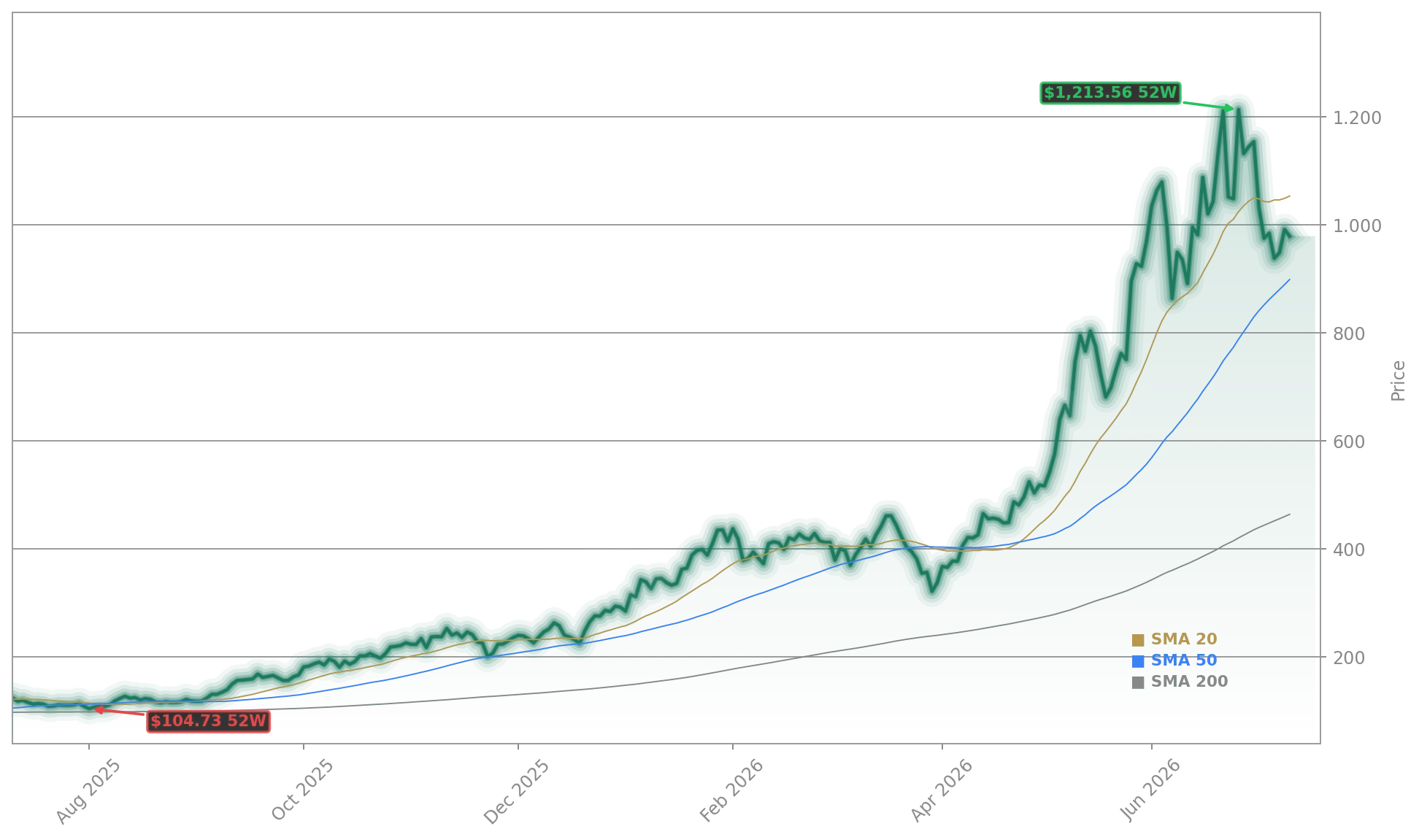
The recent Micron Technology (MU) financial reports revealed unprecedented profitability, with gross margins climbing to an impressive 75% to 80%, and some segments even touching 85%. The company has consistently beaten both earnings and guidance expectations for the last eight quarters. This exceptional performance is primarily driven by skyrocketing average selling prices for memory units rather than a massive surge in shipment volume, as the company guided for only a 20% increase in shipment volume in its latest quarterly updates.
However, this immense pricing power has sparked a debate on Wall Street. While the high margins showcase the company’s dominant market position, analysts note that the high cost of these chips must be absorbed somewhere in the supply chain. Hyperscalers and cloud providers are currently bearing these expenses. This has led some investment experts to suggest that the ultimate beneficiaries of a future cooling in chip prices might actually be the mega-cap technology firms, rather than the hardware manufacturers themselves.
How are strategic deals securing future revenue?
To mitigate the cyclical nature of the semiconductor industry, the company is actively securing long-term revenue streams. A key highlight tied to the recent Micron Technology Earnings cycle is the announcement of a strategic customer agreement with automotive giant Ford. This partnership is designed to secure a resilient, domestic supply chain for high-volume vehicle production in the United States.
This agreement is part of a broader portfolio of 16 strategic customer agreements spanning three to five years. These deals, which cover sectors from automotive to hyperscale data centers, have already secured $22 billion in customer deposits and financial commitments. In total, these 16 agreements are projected to generate over $100 billion in revenue, providing the company with a highly visible and stable financial runway that could help it shed its historically cyclical valuation discount.
Can domestic investments counter rising competition?
The global memory market is becoming increasingly competitive, particularly with the recent U.S. trading debut of South Korean rival SK Hynix. While SK Hynix currently trades at a lower valuation multiple, the company boasts a return on invested capital (ROIC) of 52%, slightly outperforming its Korean rival’s 48%. To maintain its technological edge and secure domestic supply, the Idaho-based manufacturer has announced plans to aggressively increase its U.S. capital expenditures.
The chipmaker intends to boost its long-term U.S. investments to more than $250 billion by 2035, up from a previous target of $200 billion. The primary objective is to eventually manufacture approximately 40% of the world’s DRAM supply within the United States. This massive domestic expansion is a direct response to the persistent supply bottlenecks in specialized AI memory products like HBM, which are expected to remain undersupplied well into 2029 and 2030.
Related Coverage
Producing the high-volume vehicles of the future in the U.S. will require a resilient supply chain.— Jim Farley, CEO of Ford
For a deeper look into how the company plans to fund and execute its massive domestic production goals, read our detailed analysis on the Micron Investment Expansion: $250B Record U.S. Push. To understand how these capital expenditure trends are impacting the broader artificial intelligence hardware sector, you can also explore our coverage of the recent market volatility in Marvell AI Infrastructure -2.9% Plunge After AI Whiplash.