
Will SpaceX Nasdaq-100 Inclusion trigger a lasting re-rating, or is Wall Street chasing a short-float squeeze in disguise?

Why SpaceX Nasdaq-100 Inclusion Is a Game-Changer for Index Funds?
The Nasdaq-100’s fast-track inclusion rule — revised specifically to accommodate SpaceX’s scale — marks a structural shift in how mega-cap tech entrants are absorbed. Unlike historical index rebalances, which occurred annually, SpaceX’s July 7 entry mandates immediate, mechanical purchases by all Nasdaq-100-tracking funds. That includes $320 billion in assets tied to the Invesco QQQ Trust alone. Bloomberg confirms the index now holds over 4,000 constituents in its eligibility pipeline, but SpaceX is the first to clear the new threshold: market cap above $2.0 trillion and liquidity sufficient to absorb passive flows. With only ~4% of its float public, the forced buying may temporarily compress bid-ask spreads and lift volume — but it won’t mask fundamental gaps.
What Does SpaceX’s Mobile Push Mean for Verizon, AT&T, and T-Mobile?
SpaceX’s Starlink Mobile ambitions are no longer theoretical. Talks with Charter Communications — which surged 9.32% on Monday — signal a direct assault on legacy wireless infrastructure. Unlike its current T-Mobile US partnership for emergency texting, Starlink Mobile would offer full voice, data, and roaming using LEO satellites and terrestrial handoff. Citigroup analysts note this could pressure T-Mobile US’s $22 billion annual wireless EBITDA, especially as SpaceX leverages newly acquired EchoStar spectrum. Meanwhile, Deutsche Telekom’s U.S. unit lost nearly 5% on Monday after reports of SpaceX’s imminent U.S. launch — a stark reminder that satellite broadband is no longer rural filler but a scalable, capital-backed alternative to tower-based networks.
How Are Competitors Like Rocket Lab and Iridium Reacting?
Rocket Lab’s $8 billion acquisition of Iridium Communications — announced last week and priced at $54 per share — is a direct counterpunch to SpaceX’s vertical dominance. The deal instantly creates an integrated orbital infrastructure player with global voice, IoT, and secure comms capabilities. Iridium shares jumped 25.4%, while Rocket Lab rose 16%. This consolidation underscores a broader trend: smaller space firms are merging to achieve scale, not competing on launch alone. As Bloomberg’s Ed Ludlow reported, Rocket Lab CEO Peter Beck framed the move as essential to “compete in the orbital economy where SpaceX sets the pace.” Meanwhile, ViaSat — Iridium’s rival — gained 23.8%, confirming investor appetite for satellite infrastructure exposure beyond the SpaceX halo.
Can SpaceX’s AI and Starlink Flywheel Justify Its Valuation?
SpaceX’s $2.02 trillion market cap implies a forward price-to-sales ratio near 54x — more than double Palantir’s (PLTR) 37x multiple — despite zero GAAP profitability. The company reported a $4.9 billion net loss in 2025. Its AI segment, xAI, has signed $27.8 billion in annual contracts with Anthropic, Alphabet, and Reflection AI, but those revenues remain unconsolidated. Goldman Sachs projects $470 billion in revenue by 2030; Morgan Stanley forecasts $3.4 trillion by 2040. Yet Louis Navellier, a veteran quantitative investor, warns that “a great story is not always a great stock” — especially when only 5–6% of shares are freely tradable and lockups begin expiring in early July. That supply wave could mute index-driven gains.
Is This the Right Entry Point for U.S. Portfolios?
A great story is not always a great stock.— Louis Navellier
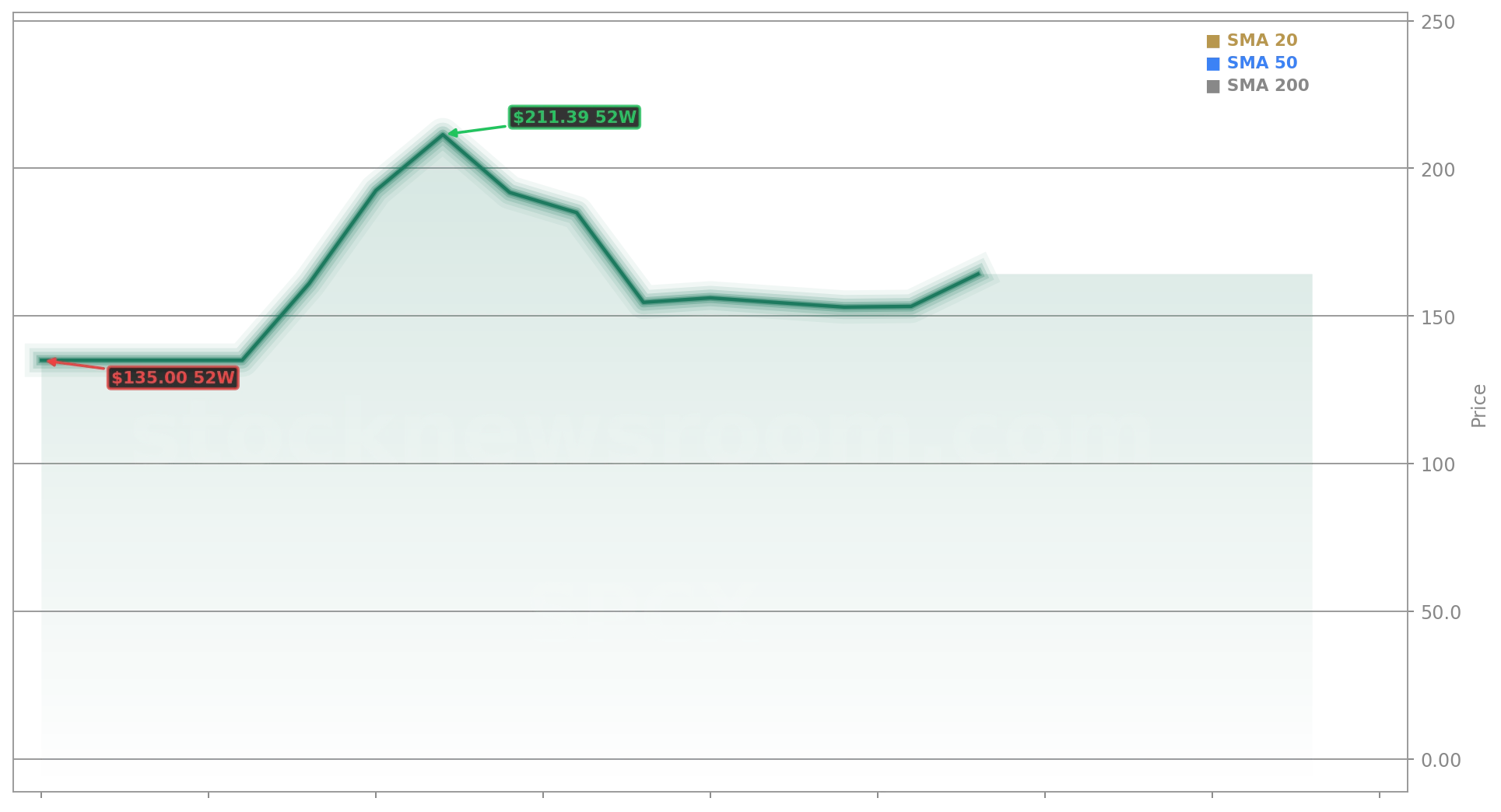
For U.S. investors, SpaceX Nasdaq-100 Inclusion offers instant, low-friction exposure — but with trade-offs. The Ark Venture Fund (ARKVX), which holds 11.38% SpaceX, charges a 2.90% expense ratio — vastly higher than the Vanguard S&P 500 ETF’s 0.03%. Meanwhile, Charter Communications’ 9.32% rally shows how SpaceX’s ecosystem creates winners beyond its own ticker. David Bahnsen of The Bahnsen Group called SpaceX’s 83x valuation “bubblicious,” while Citigroup maintains its ‘Buy’ rating on Charter with a $190 price target. With SPCX up 6.58% today and nearing $165, the question isn’t whether the index move will lift the stock — it will. It’s whether the lift lasts beyond lockup expiration and Q2 earnings.