
Can the SpaceX IPO defend its sky-high valuation after a brutal ESG downgrade and a $25 billion debt move?

What triggered the steepest single-day drop?
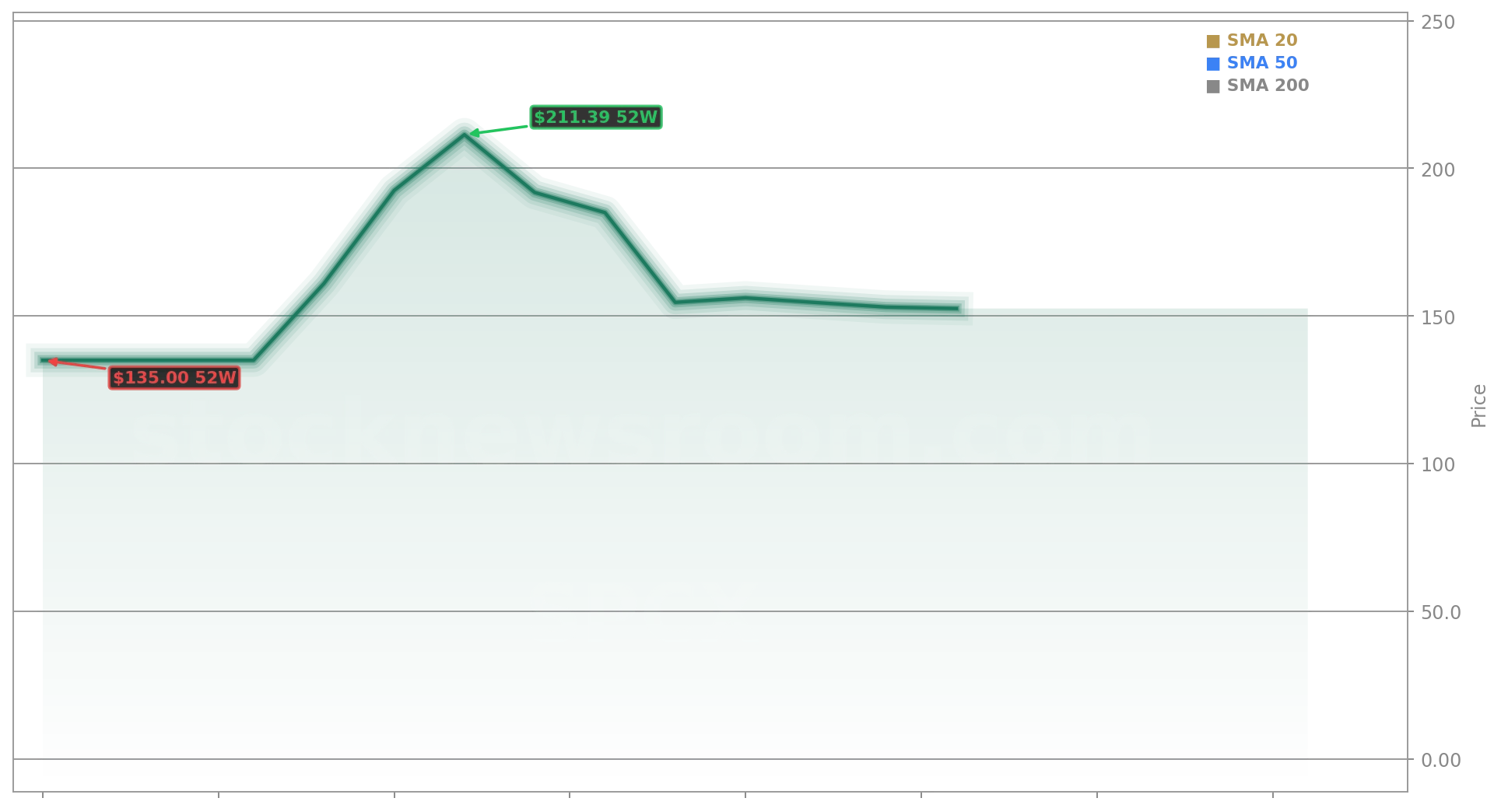
This week, Space Exploration Technologies Corp. endured its most violent price action on Monday — a -16.4% collapse to $154.60 — the sole outlier day in an otherwise volatile but structurally driven week. The move wasn’t random: it followed the public revelation of MSCI’s triple-C ESG rating, assigned just one day before the SpaceX IPO, which placed the company on par with Russia’s sovereign rating and flagged severe governance risks and controversies. Simultaneously, the company announced its $25 billion bond offering — a move investors interpreted not as prudent capital management, but as an urgent need to refinance $20 billion in bridge debt from the xAI merger. That convergence — a harsh ESG reality check and aggressive balance sheet expansion — shattered the post-IPO euphoria and triggered a cascade of profit-taking and shorting.
Price action over the week
From Monday’s opening price of 176.04 to Friday’s close of 153.23, Space Exploration Technologies Corp. lost -13.0% — its steepest weekly decline since listing. The stock carved a wide range, hitting a weekly high of 176.75 and a low of 147.11. While Tuesday through Friday saw modest intraday swings — +1.0%, -1.0%, -1.0%, and +0.2% — the week’s trajectory was defined by Monday’s structural break, not gradual erosion. That outlier day crystallized investor concerns: a governance profile deemed incompatible with benchmark inclusion, a capital structure suddenly burdened by $29.1 billion in long-term debt, and a valuation trading at over 100x sales — all under the spotlight of public markets for the first time.
What did analysts say about the SpaceX IPO valuation?
Analyst sentiment fractured sharply. Oppenheimer raised its price target to $250.00, citing AI infrastructure upside and Starlink’s global expansion. In contrast, CFRA initiated coverage with a Sell rating and a $115.00 target, calling the $2 trillion valuation “premature and unsupported by cash flow.” Keybanc issued a neutral Sector Weight rating, acknowledging leadership in launch and Starlink but flagging “limited near-term earnings visibility.” Susquehanna initiated with Neutral and a $170.00 target, while Argus Research issued a Hold on Friday — underscoring the consensus shift from early bullishness to cautious realism. The average price target settled at $158.33, barely above Friday’s close, reflecting tight valuation constraints.
Why is ESG now a defining theme for Space Exploration Technologies Corp.?
MSCI’s triple-C rating wasn’t a footnote — it became a market catalyst. With nearly 100 ETFs holding SPCX but zero ESG-focused funds, the disconnect exposed a core tension: growth at all costs versus governance accountability. Bloomberg Intelligence analyst Eric Balchunas noted ESG’s “vanishing” presence in industry panels — a trend Space Exploration Technologies Corp. accelerated. The rating highlighted real risks: insider control (Musk holds ~86% of voting power), weak shareholder rights, and unresolved controversies tied to xAI and DOGE. For investors, this wasn’t abstract ethics — it was a concrete barrier to passive inflows and a red flag for long-dated capital allocation.
What’s next for Space Exploration Technologies Corp. investors?
Next week brings critical inflection points: the official inclusion in the Russell 1000 after Friday’s close (triggering ~$3 billion in passive buying), the quiet period expiration on July 7, and the looming Q2 earnings report in mid-August — which coincides with the first major lock-up expiration (20–30% of shares). Also critical: the debut of SpaceX options trading and the first official test of the $135 IPO price floor. Polymarket now assigns only a 35% chance SPCX closes June above $135 — down from 80% a week ago. With short interest surging and institutional profit-taking accelerating, the path of least resistance remains downward unless fundamentals — not narratives — begin to justify the valuation.
Space Exploration Technologies Corp. has transformed the economics of space launch — but its SpaceX IPO has revealed that public markets demand more than ambition. They demand execution, transparency, and a path to profitability. This week’s -13.0% was not a panic — it was a recalibration. For investors, the lesson is clear: the SpaceX IPO opened the door to extraordinary long-term potential, but the first week proved that patience, discipline, and rigorous valuation analysis remain the only reliable guides in this new era. The real opportunity lies not in chasing the meme, but in buying the business — when the price finally reflects its undeniable technological leadership and tangible cash flow trajectory. The SpaceX IPO wasn’t the end of the story — it was the first chapter of a far more consequential one.
SpaceX IPO Falls 5% as Bond Sale and Lock-Up Risks Loom details how the $25 billion debt offering and impending share unlocks are reshaping investor risk calculus. Vertiv Data Center Falls 6.7% as AI Cooling Bets Face Scrutiny offers a parallel case study in how AI infrastructure valuations are being stress-tested — a cautionary lens for Space Exploration Technologies Corp.’s own $25 billion AI capital spend.
We expected SpaceX to widen from issuance level, but not this much… It’s a perfect storm of a $600 billion equity slide, weak technicals from upsized supply, and confusion over how to price the company’s risk profile.— Tony Trzcinka, Impax Asset Management
Fazit folgt.