Can Target Back-to-School turn seasonal shopping buzz into the kind of Q2 momentum that finally resets Wall Street’s view on TGT?

What’s Driving Target’s Q2 Upside?
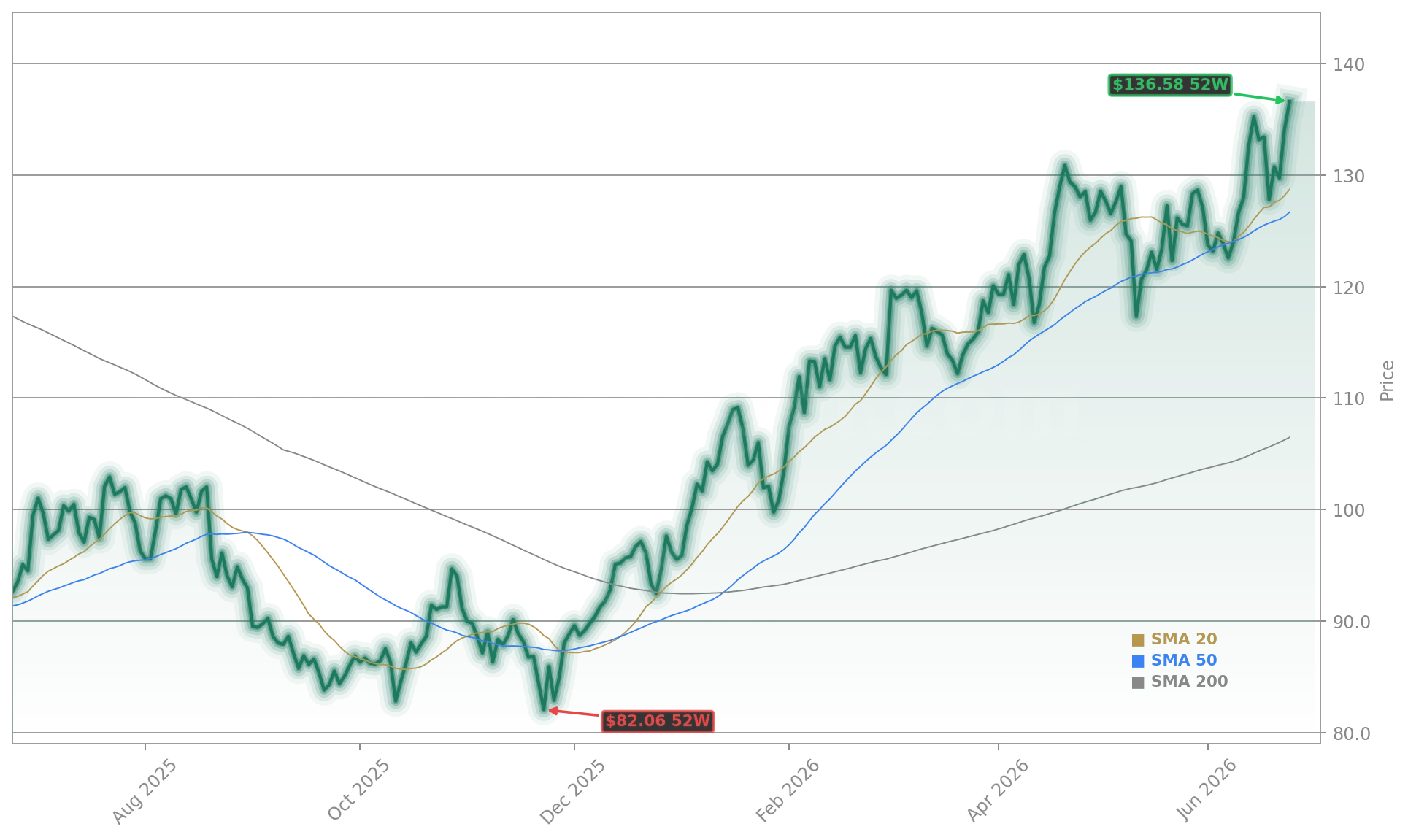
Target Corporation’s 3.73% intraday gain — outpacing the S&P 500’s +0.4% move — reflects growing conviction that its merchandising pivot is gaining traction. Wolf Research named Target Corporation its top retail pick for the second half of 2026, citing improved inventory health, elevated owned-brand penetration, and a uniquely timed Target Back-to-School launch that blends trend authority with everyday value. The stock’s technical profile shows a bullish upward-sloping channel, with recent highs near $137.87 and strong volume support between $127 and $130 — a range analysts at RBC Capital Markets describe as a ‘high-probability accumulation zone.’ Price targets remain aggressive: the $160 consensus implies 15% upside from current levels, while the $120 downside threshold offers a 13% risk buffer — a favorable reward-to-risk ratio for tactical investors.
How Does Target Back-to-School Compare to Competitors?
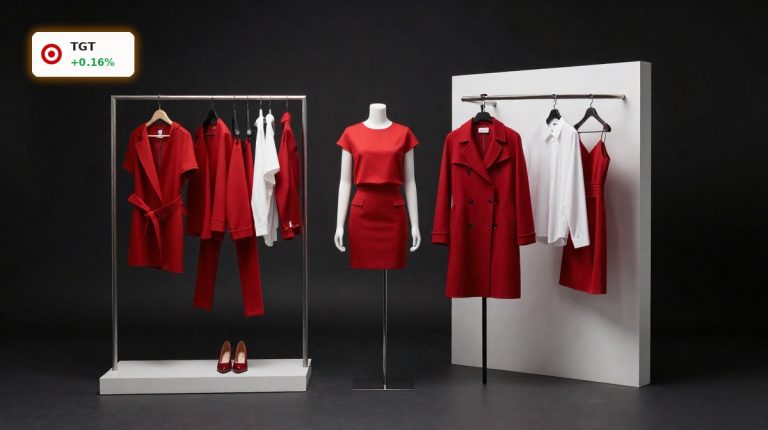
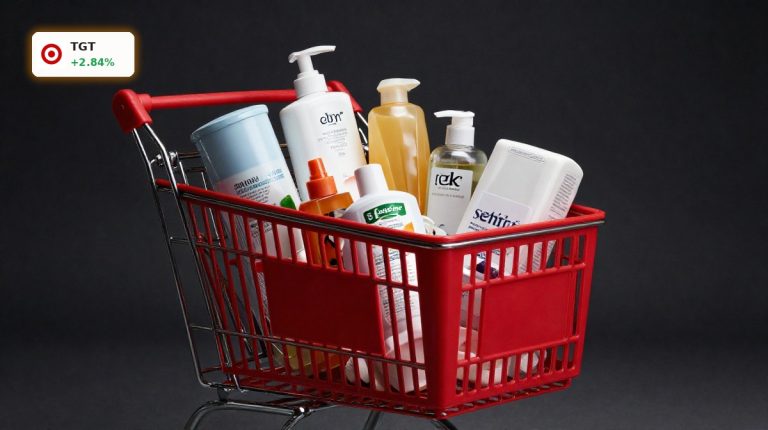
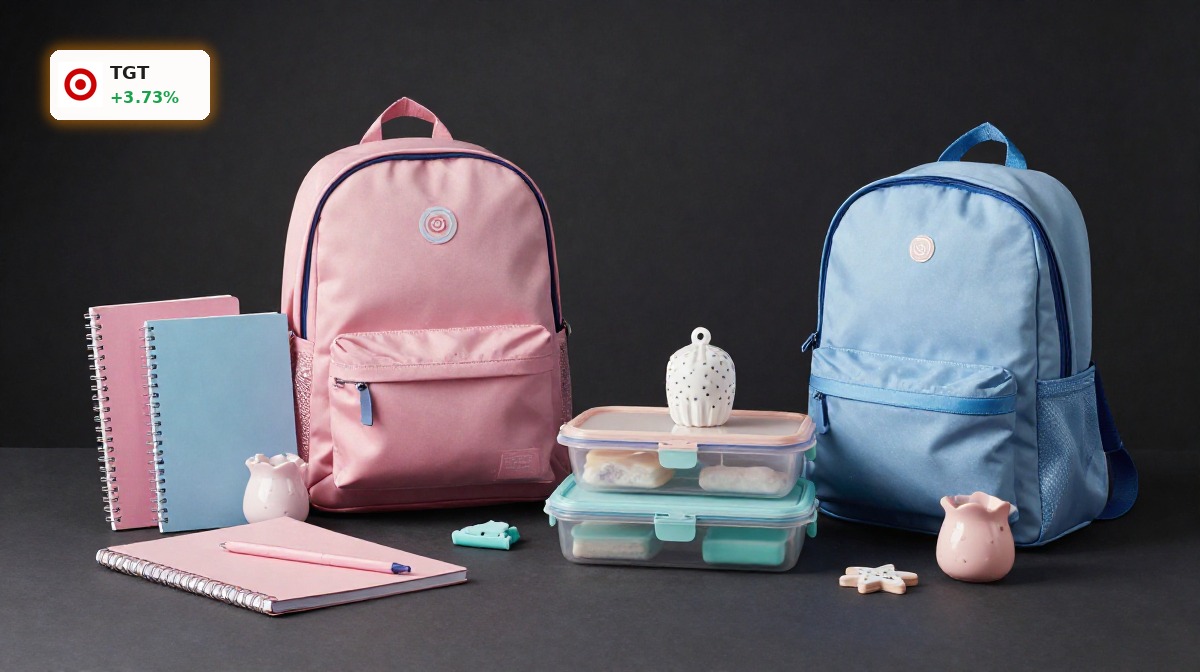
Unlike Walmart’s broad-value approach or Amazon’s algorithm-driven school lists, Target Corporation is doubling down on curation and exclusivity. While Walmart leans on private-label staples and Amazon prioritizes convenience, Target’s 2026 Target Back-to-School campaign features 11 major brand partnerships — including LoveShackFancy (debuting July 5), Hollister’s first-ever dorm decor line, and Owala x Cat & Jack — all priced under $55, with most items under $25. This contrasts sharply with Kohl’s limited college rollout and Macy’s muted campus strategy. Notably, Target’s owned brands — All in Motion, Threshold, and up&up — now cover school uniforms, dorm decor, and pastel supplies, a vertical integration move that boosts gross margins and shields against wholesale volatility. Analysts at Citigroup highlight that Target’s owned-brand penetration now exceeds 32% in apparel — up from 26% in Q2 2025 — a key driver behind its 50-basis-point gross margin expansion year-over-year.
Why Are Teachers and Students Key to Q2 Earnings?
Target Circle’s 20% off storewide for verified teachers and college students — valid from July 5 through September 12 — is more than a promotion; it’s a data capture and loyalty engine. With over 125 million Target Circle members, the program enables hyper-personalized AI recommendations on Target.com and in-app wish lists — a capability that outperforms competitors’ generic school lists. Early deal days already drove 18% higher average order value (AOV) among college shoppers versus last year, per internal data cited by Bloomberg. That’s critical as back-to-college now accounts for 37% of Target’s total back-to-school revenue — up from 29% in 2024. For investors, this signals stronger demand durability: college shoppers spend 2.3x more than K–12 families and return more frequently, supporting Target’s goal of lifting same-store sales by 4.5% in Q2 — a pace that would outperform the retail sector average by 180 basis points.
What Does This Mean for the S&P 500 Retail Group?
Target Corporation’s momentum arrives as the S&P 500 Consumer Discretionary sector lags the broader index by 220 basis points year-to-date. While peers like Kohl’s and Macy’s grapple with declining foot traffic and margin pressure, Target’s blend of design authority, exclusive partnerships, and digital fluency is attracting institutional capital. Its 3.73% gain on June 24 — the strongest single-day move among large-cap retailers this month — coincided with a 0.8% rally in the SPDR S&P Retail ETF (XRT). Morgan Stanley notes Target’s ability to ‘monetize style without premium pricing’ makes it a rare defensive growth name in today’s inflation-conscious environment — especially as back-to-school spending is projected to hit $41.4 billion in 2026, up 6.2% year-over-year (National Retail Federation).
Related Coverage
Back-to-school and back-to-college are big moments for families and at Target we believe shopping for them should be inspiring and joyful — an opportunity for delight as you find everything you need.— Cara Sylvester, Executive Vice President and Chief Merchandising Officer, Target Corporation
For deeper context on Target’s design-led revival, see Target Mizrahi Return Powers Target’s Design-Led Comeback, which explores how Isaac Mizrahi’s re-engagement is accelerating owned-brand innovation and margin expansion. That analysis complements today’s Target Back-to-School launch — reinforcing how creative leadership and merchandising discipline are converging to reshape investor expectations for the retail giant.