

If Target Earnings beat expectations, why did investors still send the stock sharply lower after the report?

Why did Target Earnings move the stock lower?
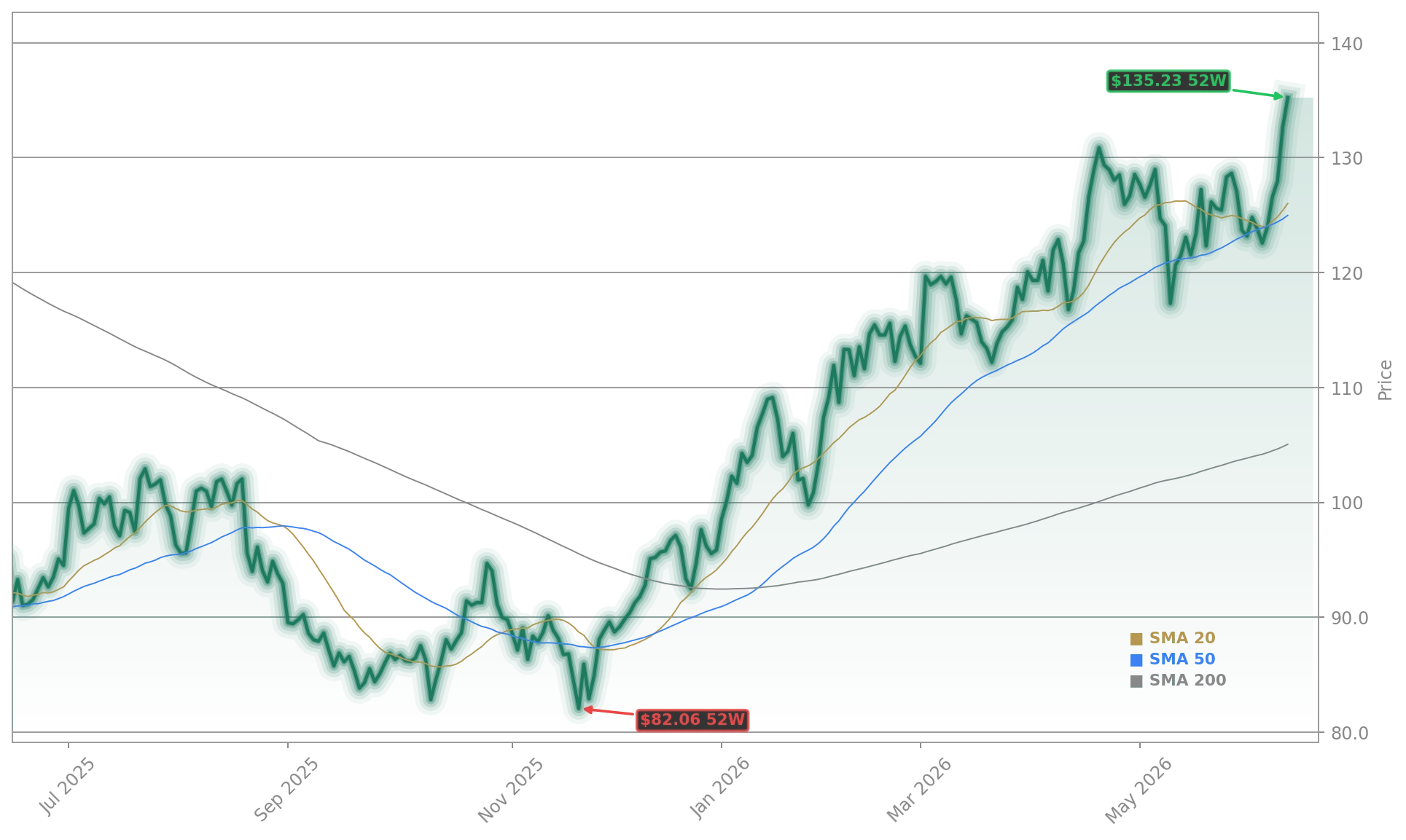
Target Corporation surprised Wall Street with a solid first-quarter performance, yet shares were trading at $122.16, down about 4.0% versus the previous close of $126.29. That reversal highlights the market’s tougher standard after a strong run into the report. Recent coverage pointed to gains of roughly 30% year to date before the release, so a beat alone may not have been enough to keep momentum buyers engaged.
The quarter itself looked strong. Net sales rose 6.7% to about $25.4 billion, adjusted earnings per share came in at $1.71, and comparable sales increased 5.6%. Gross margin improved to 29% from 28.2% a year earlier. Traffic also rose 4.4%, suggesting shoppers returned to stores rather than spending driven only by higher ticket sizes.
Still, management kept a cautious tone. Executives flagged higher cost pressure in the near term, especially in the second quarter, and stressed that the macro environment remains uncertain. That caution appears to have overshadowed the upbeat headline numbers in the immediate market reaction.
How strong were Target Earnings trends?
The Target Earnings report offered early evidence that CEO Michael Fiddelke is gaining traction in his turnaround effort. Comparable sales turned positive after several weak quarters, with growth across all six core merchandise categories. Digital comparable sales climbed 8.9%, and non-merchandise revenue streams such as advertising, membership, and marketplace activities increased nearly 25%.
Management credited the improvement to sharper pricing, better in-store presentation, and a broader assortment across categories such as baby, toys, wellness, and beauty. The company also said it is investing heavily in stores, labor, remodels, and supply chain capacity. Capital spending reached about $1.0 billion in the quarter, up sharply from a year earlier, while seven new stores opened and the chain moved past 2,000 locations.
Another notable move was leadership. Target named Jeff England as executive vice president and chief global supply chain and logistics officer, effective May 31. He joins from QXO and previously held senior supply chain roles at Genuine Parts and Walmart. The change fits Fiddelke’s broader push to improve speed, reliability, and precision across operations.
What does Target mean for retail peers?
For investors, Target Earnings also matter as a read-through for the broader US consumer. Target sits between pure value players and more discretionary retail names, making it a useful barometer for spending across income groups. Management described demand as broad-based across regions and categories, a signal Wall Street will compare with upcoming commentary from Walmart and Costco.
That said, the market seems unconvinced that one quarter settles the debate. JPMorgan recently raised its Target price target to $129 from $120 while keeping a Neutral rating. The firm had warned ahead of results that tougher comparisons and a softer consumer backdrop could pressure future comps. Jefferies, by contrast, described the quarter as an early validation of the new strategy, while noting investors may still question sustainability.
Target’s positioning remains different from rivals such as Amazon and Walmart because merchandising style and discretionary categories play a larger role. That can amplify upside in a healthier spending backdrop, but it can also magnify risk when consumers turn more price sensitive.
Can Target sustain the turnaround?
The next few quarters now matter more than the headline beat. Target raised its full-year net sales growth outlook to about 4%, up from roughly 2%, and said earnings per share should land near the high end of its prior $7.50 to $8.50 range. On paper, that is a meaningful upgrade and one of the clearest positives in this Target Earnings cycle.
But management also acknowledged several risks, including gas prices, cost inflation, tougher second-quarter comparisons, and more cautious consumer sentiment. Investors will want proof that traffic gains, digital momentum, and margin improvement can continue beyond one strong quarter. Related Coverage: Investors looking for more context on the leadership reset can read our analysis of whether Michael Fiddelke’s cost push can stick. That piece explores how operational discipline, merchandising changes, and margin repair may shape the next phase of the turnaround.
First quarter financial results were stronger than expected, providing encouraging early signs that our clarified strategy is resonating with our guests and driving broad-based growth across our business.— Michael Fiddelke
Overall, Target Earnings showed real progress even if the stock reaction was negative. For investors, the key question is no longer whether Target can post a beat, but whether it can turn this momentum into a durable recovery that closes the gap with stronger retail peers.