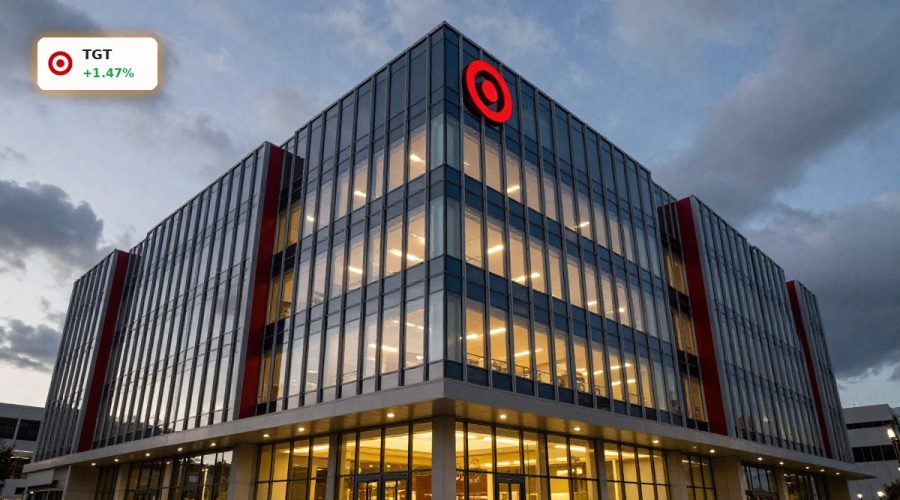

Can the Target CEO Change really fix margins and revive the “cheap chic” magic investors fell in love with?

How is Target trading after the CEO shake-up?
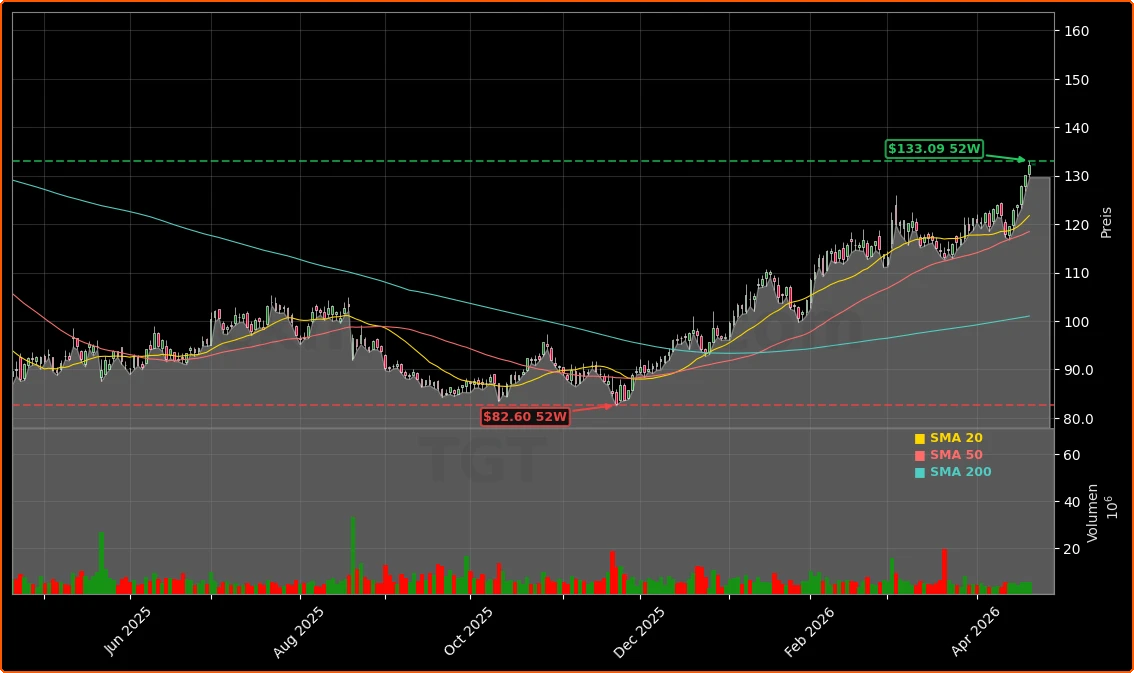
Target Corporation shares closed at $132.10 on Tuesday, up 1.47% from the prior close of $130.19, and edged slightly higher to $132.38 (+0.21%) in after-hours trading. The move extends a recent rally that has seen the stock gain around 8.5% over the past month, even as parts of the broader S&P 500 have traded sideways. On a recent strong trading day for retailers, Target outperformed key benchmarks, finishing higher while the S&P 500 and the Dow Jones Industrial Average slipped.
The improved sentiment coincides with the Target CEO Change and a new focus on operations and cost efficiency. Management has already implemented layoffs in corporate and support functions, a step that investors see as a sign that Fidelke is prepared to streamline the organization. With TGT still trading below past cycle highs, some portfolio managers view the stock as a late-cycle retail recovery play rather than a fully priced consumer staple.
Why does the Target CEO Change matter now?
Michael Fidelke, widely seen as an operations-focused leader, is taking the reins at a time when U.S. consumers are proving more resilient than many economists expected. March retail sales in the U.S. posted their strongest monthly increase in about a year, helped in part by rising receipts at gas stations but also underpinned by steady discretionary and essentials spending. Retailers like Target, Apple and Tesla that rely on consumer demand are benefiting from this stronger backdrop, though the competitive landscape remains intense.
The Target CEO Change is particularly important because the company has struggled in recent quarters with inventory missteps, margin compression and uneven traffic trends. Fidelke’s mandate is twofold: restore the “Target vibe” that made the chain a go-to destination for affordable style, and ensure that the underlying cost and supply-chain structures are fit for a lower-margin, value-sensitive environment. His operations track record has raised expectations that the company can simultaneously tighten expense discipline and improve in-store and digital execution.
Analysts note that the first full quarter under Fidelke’s leadership will be closely watched for signs of improving traffic, better inventory turns and stabilization in gross margin. With the Target CEO Change still fresh, Wall Street is less focused on immediate headline earnings beats and more on whether key operating metrics begin to trend in the right direction.
What are analysts saying about Target Corporation?
On the sell-side, sentiment toward TGT has turned noticeably more constructive. Guggenheim recently reiterated its Buy rating on Target and maintained a $140 price target, implying moderate upside from current levels. The firm highlighted the combination of operational restructuring, improved inventory management and ongoing strength in U.S. consumer demand as drivers for a re-rating of the stock over the next 12 to 18 months.
Other research desks emphasize Target’s core advantages in private-label brands and the enduring appeal of its “cheap chic” positioning against rivals like Walmart and Amazon. The company’s strong own-brand portfolio in everyday essentials is seen as a key buffer against economic headwinds, helping maintain steady traffic even when discretionary spending softens. At the same time, Target’s omnichannel capabilities—same-day delivery, curbside pickup and ship-to-home—are now considered table stakes in a world where consumers expect seamless integration between stores and mobile apps.
For U.S. equity investors, Target is increasingly framed as a hybrid between a defensive consumer-staples holding and a cyclical retail recovery story. If Fidelke can deliver sustained margin improvement without sacrificing the in-store experience, the Target CEO Change could justify a higher earnings multiple closer to premium peers in the S&P 500 consumer sector.
How does Target stack up in a mobile-first, omni-channel world?
The backdrop for Fidelke’s tenure is not only macroeconomic but also technological. A growing share of retail discovery and price comparison now starts on mobile, with updates from platforms such as Google’s latest Discover enhancements pushing investor-facing content and real-time data directly into users’ feeds. That dynamic favors retailers that communicate clearly on inventory strategies, pricing and promotions and that can turn digital engagement into store or app transactions.
Target has invested heavily in its app, drive-up pickup and same-day services through partners like Shipt, mirroring the integrated ecosystems that companies such as NVIDIA and Apple have built on the technology side. The next phase will likely focus on extracting more profitability from these services, ensuring that convenience does not erode operating margins. Fidelke’s operations background positions him to scrutinize last-mile logistics, labor deployment and store layouts to squeeze more productivity from each incremental dollar of digital-driven sales.
For now, the robust U.S. consumer backdrop—strong March retail sales and healthy household balance sheets—gives the new CEO a window to execute these changes without the added pressure of a recession. The main risk for shareholders is that competitive pricing pressure from Walmart, Amazon and grocery discounters compresses margins faster than efficiencies can be realized.
Related Coverage: What’s next for Target’s turnaround?
Investors who want a deeper dive into the stock’s recent rally can revisit earlier analysis of the company’s recovery efforts. In particular, Target Turnaround +7.2% Surge: Can The Retail Rally Last? examines how improving investor sentiment, early cost measures and stabilizing traffic trends helped spark a sharp move higher in TGT after prior earnings. Together with the current focus on the Target CEO Change, that piece provides useful context on whether the latest leadership shift and macro tailwinds can convert a short-term pop into a sustained multi-quarter uptrend.
In sum, the Target CEO Change to Michael Fidelke is arriving at a moment when resilient U.S. consumer demand, cost discipline and digital execution could finally align in the company’s favor. For U.S. investors, TGT now offers a blend of value and recovery potential as management tries to restore the retailer’s distinct brand edge. The next few quarters will show whether Fidelke can turn operational tweaks and a supportive spending backdrop into a durable earnings trajectory—and whether the Target CEO Change ultimately marks the start of a new chapter rather than just another brief rally in a volatile retail stock.