
Could a SpaceX listing unlock Musk’s empire value while pulling fresh momentum money away from Tesla at the same time?

How could the Tesla SpaceX IPO hit flows?
Tesla, Inc. is increasingly being treated less like a pure automaker and more like an Elon Musk platform spanning EVs, autonomy, robotics, AI, and now space. That is why the Tesla SpaceX IPO matters beyond headline excitement. If SpaceX lists near the valuation range now discussed on Wall Street, a meaningful pool of growth capital could rotate from Tesla into Musk’s newest public vehicle. Some investors already view Tesla as a proxy for access to SpaceX, so a direct listing candidate changes that equation immediately.
That risk is not just theoretical. SpaceX’s filing laid out an unusually direct warning that Musk’s statements, politics, and activities across affiliated companies can affect customer relationships, regulators, and stock performance. For Tesla shareholders, that reinforces a broader “empire discount” concern: success at one Musk company can still create volatility at another.
Why is Tesla still tied to SpaceX?
The overlap is financial as well as narrative. Tesla disclosed a roughly $2 billion investment connected to SpaceX equity, while the broader Musk network has become more intertwined through xAI and a semiconductor manufacturing initiative in Texas. That means the Tesla SpaceX IPO is not just about investor psychology; it also affects how Wall Street thinks about Tesla’s balance sheet optionality and strategic exposure.
Bloomberg’s billionaire calculations also shifted after SpaceX’s prospectus showed Musk had pledged far fewer shares than previously assumed. That pushed his estimated net worth sharply higher and highlighted how central SpaceX has become to the Musk valuation story. For Tesla holders, that can cut both ways: a stronger Musk balance sheet may reduce financing concerns, but a more valuable SpaceX could also become the market’s preferred expression of the Musk premium.
At the same time, Tesla still has its own operating drivers. Q1 revenue rose 15.78% year over year to $22.39 billion, automotive gross margin improved to 21.1%, and FSD active subscriptions reached 1.28 million. Tesla also expanded FSD Supervised in China, a key step in building higher-margin software revenue against rivals such as BYD and other fast-moving Chinese EV makers.
What keeps Wall Street interested in Tesla?
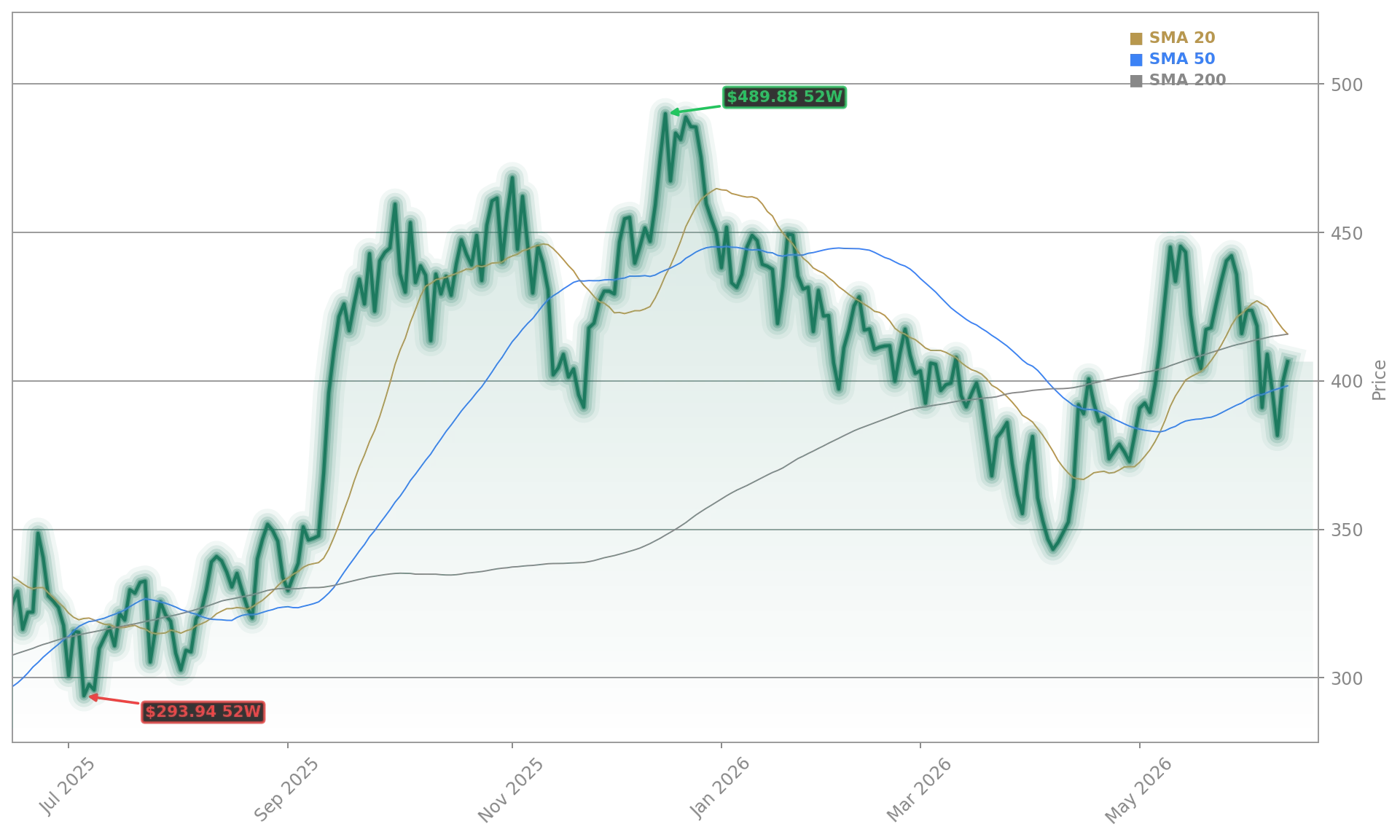
Even with SpaceX approaching public markets, Tesla still offers businesses that SpaceX does not: a global installed vehicle base, a potentially large robotaxi network, and Optimus robotics. Cathie Wood argued this week that the Model S helped launch Musk’s broader AI, robotics, and space strategy, underscoring how many growth investors still see Tesla as the central operating hub of that ecosystem.
There are also reasons not to overstate the downside. Some investors see SpaceX as complementary rather than competitive, and money manager Nancy Tengler has even argued the two businesses could eventually be combined. Meanwhile, Reuters reported Tesla is recalling 14,575 Model Y SUVs in the U.S. over a missing weight certification label, but there were no reported injuries, fatalities, or crashes tied to the issue.
Valuation remains the sticking point. Tesla still trades at a very rich earnings multiple, leaving the stock vulnerable if even a modest slice of momentum capital leaves for the Tesla SpaceX IPO. Morgan Stanley is closely involved in the SpaceX deal’s retail distribution, while Goldman Sachs holds the lead-left role, a sign of how seriously the banking industry is taking demand for the offering. For context on sector valuation, Morgan Stanley recently reiterated an Overweight view on Li Auto, while no fresh Tesla rating changes from Citigroup or RBC Capital Markets were cited in the latest coverage.
Related Coverage
Investors tracking Tesla’s software case should also read Tesla FSD China Launch +3.3% Drives China Software Buzz. That analysis explains why China matters so much for recurring FSD revenue and how software adoption could become a bigger valuation pillar for Tesla as the Tesla SpaceX IPO draws closer.
The bottom line is simple: the Tesla SpaceX IPO could create both opportunity and pressure for Tesla shareholders. If Tesla keeps proving its AI, robotaxi, and software story, the stock can still justify investor attention; the next test is whether Wall Street treats SpaceX as an added asset or a new rival for Musk-driven capital.