
Is Coinbase turning stablecoins into a bigger profit engine than crypto trading itself?

How does Open USD change Coinbase’s revenue model?
Coinbase Global, Inc. no longer competes solely on trading fees or custody margins. Its Coinbase Stablecoin Strategy now integrates layered income streams: direct USDC yield capture, Open USD reserve economics, and governance influence over a consortium that includes Visa, Mastercard, BlackRock, and over 140 firms. According to Yahoo Finance, Circle’s (CRCL) shares fell nearly 16% following the Open USD announcement—underscoring how Coinbase’s alignment with payment giants disrupts the stablecoin hierarchy. Piper Sandler’s Overweight rating on Mastercard reinforces institutional validation of the consortium’s scale and execution capability.
What does MiCA compliance mean for Coinbase’s edge?
With Binance still unlicensed under the EU’s Markets in Crypto-Assets (MiCA) framework, Coinbase Global, Inc. stands as one of the largest MiCA-authorized exchanges by spot orderbook liquidity—alongside OKX and Bybit, per DefiLlama data. This regulatory head start isn’t just defensive; it’s strategic. MiCA’s strict reserve, custody, and transparency mandates have effectively disqualified non-compliant players from EU institutional onboarding. As a result, Coinbase’s infrastructure is now a default gateway for EU-based DeFi protocols, tokenized real-world assets (RWAs), and payment integrations—accelerating its role as a regulated rails provider rather than just a crypto exchange.
Is Coinbase Stablecoin Strategy winning the DeFi yield war?
Yes—but not in isolation. The Coinbase Stablecoin Strategy is now embedded in a broader incentive ecosystem where Open USD’s reserve income flows to partners who can deploy it as liquidity mining rewards, boosted lending APYs, or wallet cashback. This directly challenges the centralized yield model that made USDC dominant. Aave, Morpho, and MetaMask are already integrated partners, meaning Open USD liquidity could scale faster than USDC did in its early days. Meanwhile, Ark Invest’s $44 million June buy of Coinbase shares—alongside $25 million in Circle—signals conviction in the dual-protocol play: USDC monetization *plus* Open USD governance upside.
How do Bitcoin’s weakness and ETF outflows impact Coinbase?
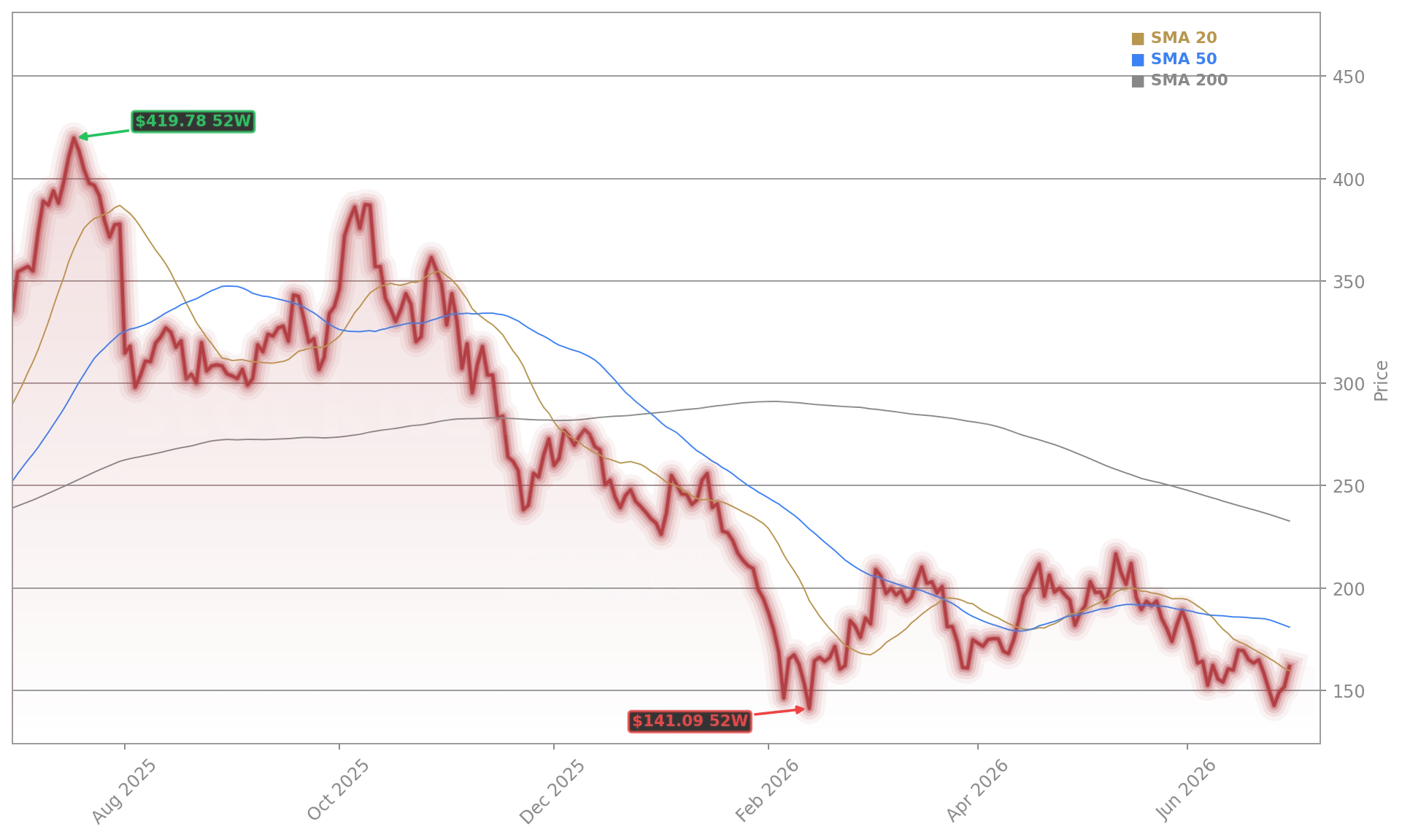
Bitcoin’s recent slide below $59,000 triggered $1.79 billion in ETF outflows—the third-largest weekly exodus on record—hurting crypto-linked equities like Strategy (MSTR), whose stock fell 8.6% after TD Cowen slashed its price target. Yet Coinbase Global, Inc. bucked the trend: its 11.4% intraday gain reflects investor recognition that its Coinbase Stablecoin Strategy decouples it from pure Bitcoin beta. Unlike Strategy or MicroStrategy, Coinbase’s revenue is increasingly tied to stablecoin velocity, institutional settlement, and regulated infrastructure—not just BTC price action. That structural shift is why Citigroup recently raised its COIN price target to $185, citing “accelerating non-trading revenue diversification.”
What’s next for Coinbase’s stablecoin positioning?
Open USD is scheduled to launch with native support on Plasma and Tempo later this year—two chains built for stablecoin-native user experiences. If successful, this could turn Coinbase Global, Inc. into the primary onramp for consumer-facing DeFi incentives: cashback on spending, instant cross-border routing, and balance-based earning—all backed by a MiCA-compliant, Visa-anchored dollar. That’s a fundamentally different playbook than what Apple or Tesla pursued in crypto—and far more aligned with Wall Street’s appetite for scalable, regulated fintech infrastructure. With Ethereum hosting over half of all circulating stablecoins and $312 billion in total stablecoin supply, the runway for Coinbase’s stablecoin strategy is wide and deep.
Related coverage shows how quickly momentum is building: Coinbase Migration -2.3% as ARK Buy Meets Revenue Hype details how regulatory migration dovetails with revenue upgrades, while Ethereum MiCA Regulation Sends a Bearish Warning for ETH highlights the broader regulatory realignment reshaping the entire digital asset stack.
AI will actually make software more secure, not less. It favors defenders over attackers, since they can scan all code before production.— Brian Armstrong, CEO of Coinbase Global, Inc.
Coinbase Global, Inc. has transformed its stablecoin positioning from custodial support to yield architecture leadership. For U.S. investors, this means exposure to regulated digital dollar infrastructure—not just crypto volatility. The next catalyst is Open USD’s launch on Plasma, which could trigger a wave of liquidity mining campaigns and institutional settlement adoption. For long-term portfolios anchored in the S&P 500 and NASDAQ, Coinbase’s Coinbase Stablecoin Strategy is no longer a speculative hedge—it’s a structural fintech play.