
Will Comcast’s radical NBCUniversal spinoff be enough to offset a projected 22% plunge in its upcoming quarterly earnings?

What do the latest Comcast Earnings numbers reveal?
According to consensus forecasts from eight analysts tracking the stock, the cable and media giant is expected to report earnings per share (EPS) of $0.97 for the second quarter of 2026. This projection represents a 22.40% decline compared to the same period last year. Despite the anticipated dip, historical trends show that the company has a strong track record of outperforming Wall Street’s expectations. In fact, over the past year, the firm beat consensus estimates every single quarter, highlighted by an 8.22% earnings surprise in the first calendar quarter of the year.
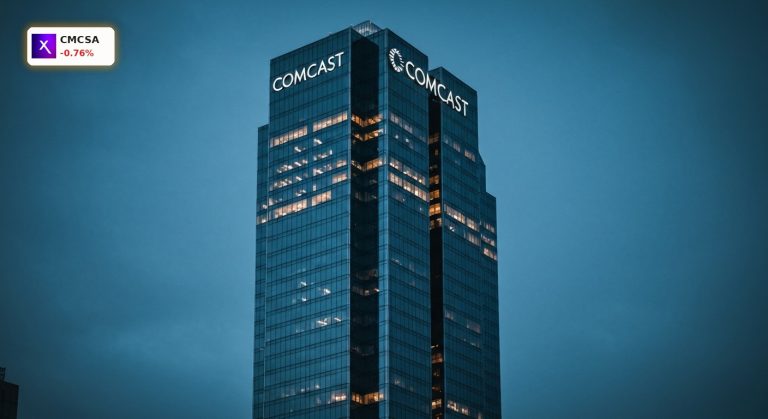
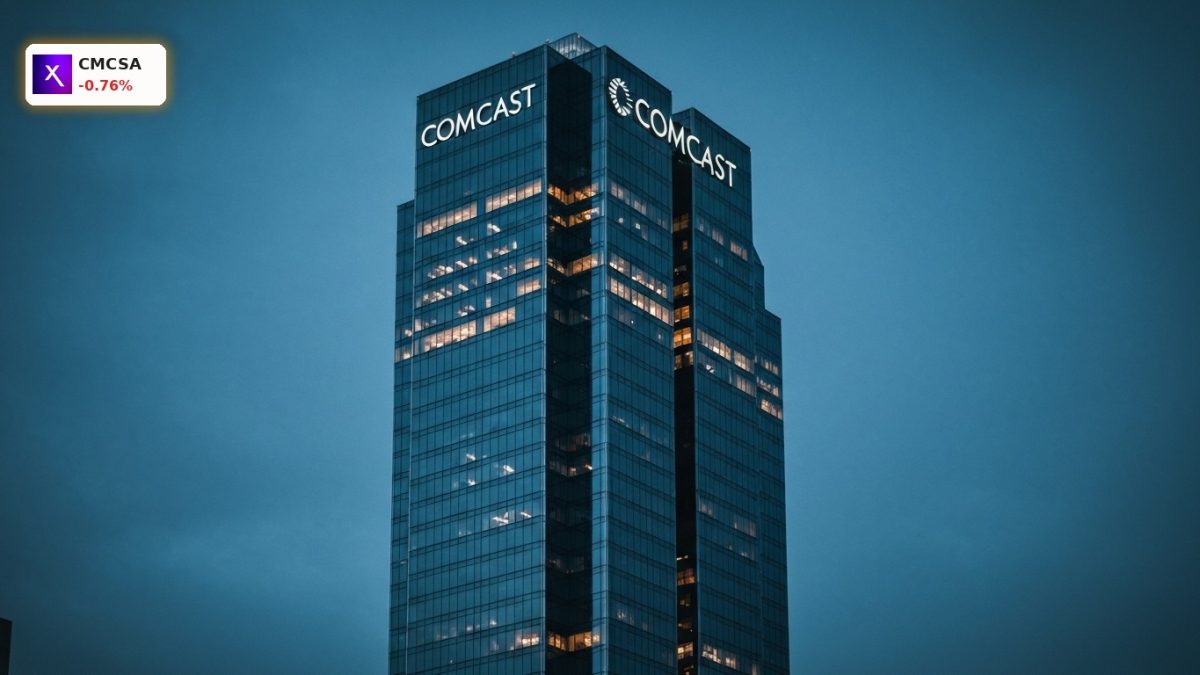
Data from Zacks Investment Research reveals that the company’s 2026 Price-to-Earnings (P/E) ratio stands at 6.84, notably higher than the industry average of 5.40. This valuation premium suggests that Wall Street anticipates stronger long-term earnings growth from the telecom and entertainment conglomerate compared to its direct industry peers. However, in today’s market action, Comcast shares dipped slightly, trading down 0.76% at $23.63, reflecting broader market caution before the official figures drop.
How are antitrust rulings impacting Universal Pictures?
Beyond the immediate Comcast Earnings figures, regulatory hurdles in Europe are forcing a major restructuring of the company’s theatrical distribution model. The European Commission recently targeted United International Pictures (UIP), a joint venture through which Paramount Global and Comcast’s Universal Pictures distribute films to theaters. Regulators warned that a proposed transaction involving Warner Bros. Discovery would have consolidated too much market power under UIP, leading to unfavorable terms for cinema operators and higher prices for consumers.
To secure regulatory approval, Paramount has committed to winding down its participation in UIP within the European Economic Area over the next 13 months. Furthermore, Paramount is banned from entering any joint distribution agreements with Universal Pictures in Europe for the next ten years. These antitrust interventions will force Universal to rely more heavily on its independent international distribution arms, a strategy it has already successfully deployed in markets like Germany.
Will the NBCUniversal spin-off unlock shareholder value?
The media sector is undergoing a dizzying wave of consolidation and restructuring. While Fox Corporation is acquiring Roku, Comcast has decided to spin off its NBCUniversal cable networks into a standalone entity. This strategic decision aims to separate Comcast’s steady, cash-generating broadband business from its legacy television assets. Meanwhile, competitors are also reshuffling; Lionsgate is actively exploring a sale of its studio assets, and Warner Bros. Discovery continues to navigate its own complex restructuring.
This spin-off mirrors efforts by rivals like The Walt Disney Company and Netflix to optimize their entertainment portfolios. By streamlining its corporate structure, Comcast hopes to position its remaining businesses for higher growth, even as the broader media industry faces intense competition from tech-backed streaming platforms.
Related Coverage
For deeper insights into how the corporate breakup is affecting the stock price, read about how the Comcast Spinoff Sparks 23% Rally as CMCSA Split Nears. Additionally, to understand the broader theatrical landscape that Universal Pictures’ films will enter, explore our analysis on how AMC Earnings Surge +1.8% After Record $1.59B Revenue Quarter despite ongoing debt challenges.
In conclusion, the upcoming Comcast Earnings release will serve as a crucial test of the company’s resilience during a period of intense structural transition. While theatrical distribution changes and a projected year-over-year profit decline present short-term headwinds, the strategic NBCUniversal spin-off could unlock significant long-term value. For forward-looking investors, the stock’s attractive P/E ratio and historical tendency to beat Wall Street estimates suggest that Comcast remains a compelling player in the evolving media landscape.