Are Eli Lilly earnings finally proving that the GLP‑1 obesity boom can justify today’s sky‑high valuation?

How big was the Eli Lilly earnings beat?
Eli Lilly and Company reported Q1 2026 adjusted earnings of $8.55 per share, crushing consensus estimates around $6.66–$6.97 and soaring roughly 156% from $3.34 a year earlier. On a GAAP basis, EPS rose 170% to $8.26. Revenue jumped 56% year over year to $19.8 billion, versus Wall Street expectations near $17.6–$17.8 billion. That makes this one of the strongest quarterly growth performances among large U.S. pharmaceutical names in recent memory.
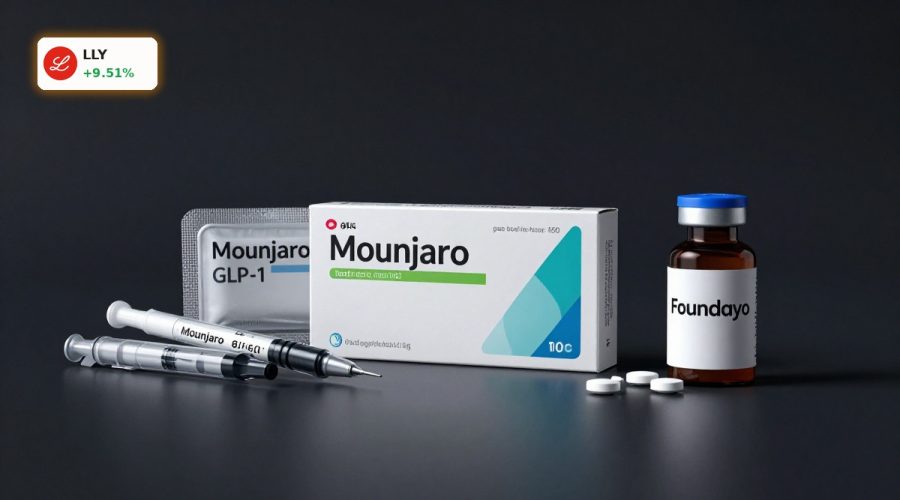
The market reaction was immediate. With the report already digested by investors, Eli Lilly shares recently traded around $932.10, up about 9.5% from the prior close of $855.49. The move helped support broader indices, with the S&P 500 turning higher as Eli Lilly joined mega‑caps like Apple and NVIDIA in driving index‑level gains.
What is driving Eli Lilly’s explosive growth?
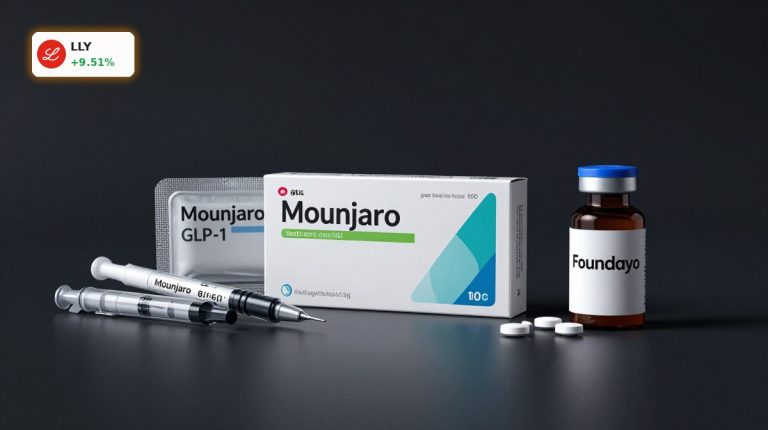
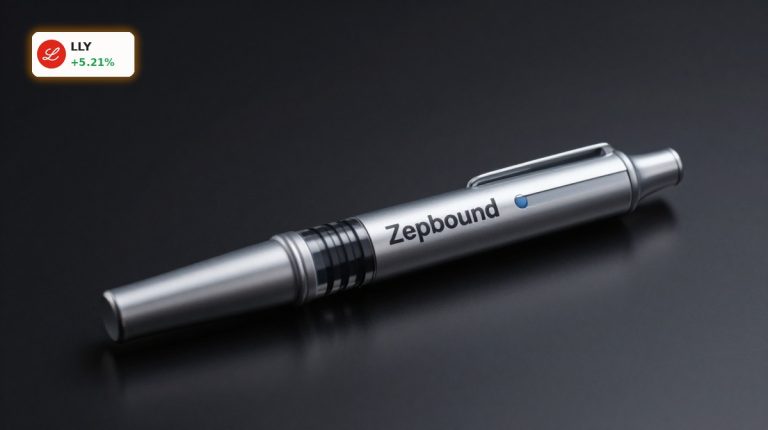
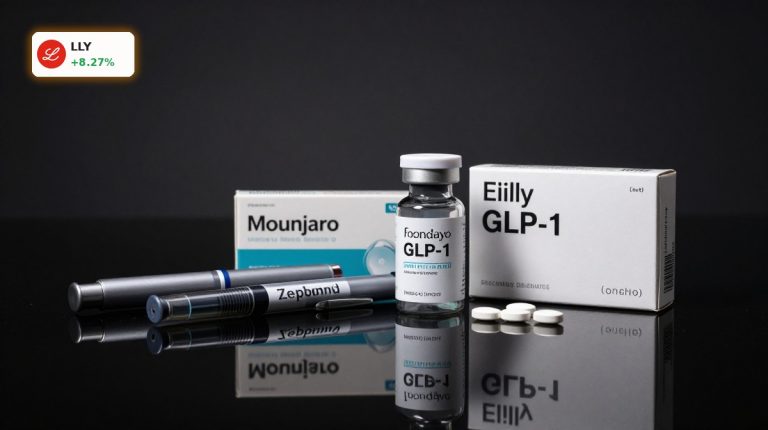
The latest Eli Lilly earnings underscore just how central GLP‑1 drugs have become to the company’s story. Combined global revenue from tirzepatide‑based injectables Mounjaro (diabetes) and Zepbound (obesity) reached $12.8 billion in Q1. Mounjaro sales surged 125% to $8.66 billion, while Zepbound climbed 80% to $4.16 billion, far ahead of analyst models. Management said overall company volume grew 65%, partly offset by a 13% decline in realized prices as Lilly leans into a high‑volume, lower‑price strategy.
Growth is broad‑based rather than purely U.S.‑centric. Revenue in the U.S. rose 43% to $12.1 billion, but revenue outside the U.S. jumped 81% to $7.7 billion. In key ex‑U.S. markets like Brazil, Korea and China, Mounjaro is rapidly taking share and has already made Lilly the market leader in incretin therapies internationally. S&P Global Ratings, which just upgraded Lilly’s credit rating to AA‑ with a positive outlook, now projects total company revenue could exceed $100 billion by 2028 if GLP‑1 momentum persists.
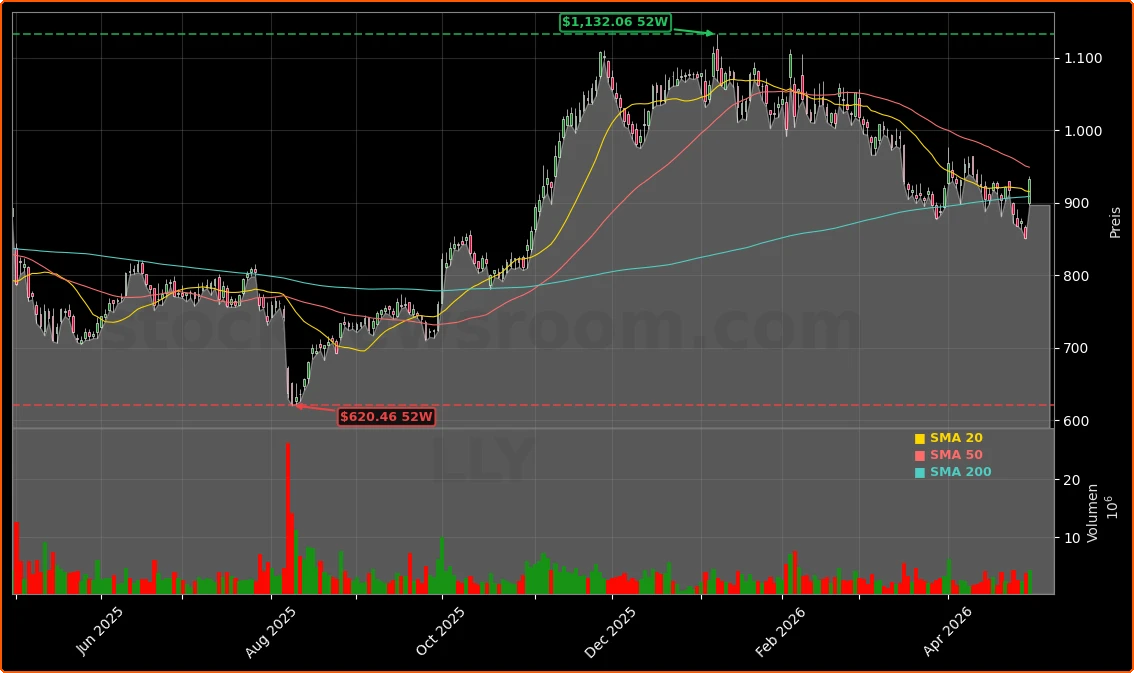
Eli Lilly Earnings and the upgraded 2026 outlook
On the back of this blowout quarter, Eli Lilly lifted its full‑year 2026 guidance across the board. Management now expects revenue between $82 billion and $85 billion, up from a prior range of $80 billion to $83 billion. Non‑GAAP EPS guidance was raised by $2 at both ends, to $35.50–$37.00 from $33.50–$35.00. At the midpoints, that implies roughly 28% top‑line growth and more than 40% adjusted EPS growth versus 2025.
Importantly for margin‑focused investors, non‑GAAP performance margin improved to 50% in Q1, about seven percentage points higher than a year ago, even as list prices on some GLP‑1 products moved lower. Management reiterated that the unit economics of obesity and diabetes drugs are driven heavily by fixed R&D and manufacturing costs; as volumes scale, lower prices can still translate into expanding profitability.
How important is Foundayo and the broader pipeline?
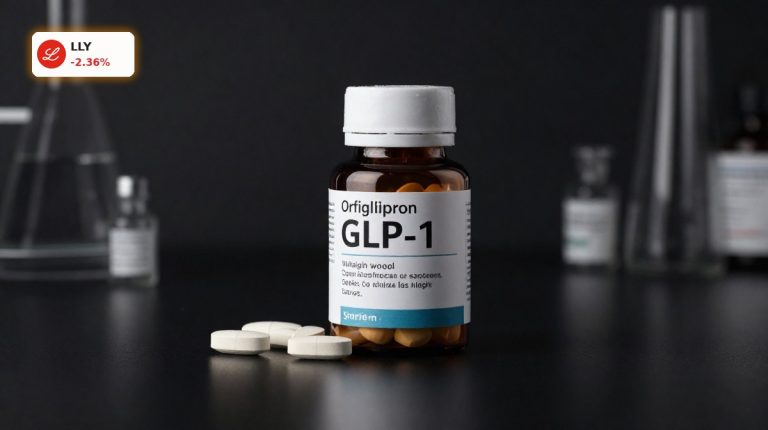
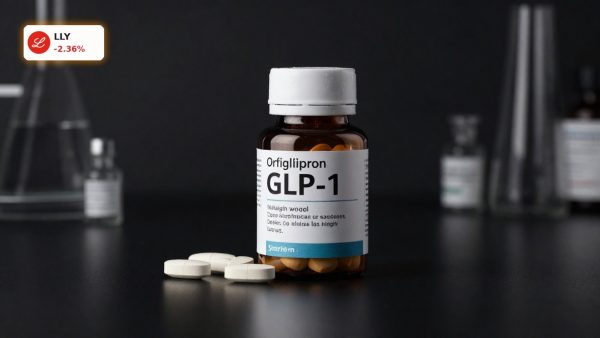
Beyond injectable GLP‑1s, the Eli Lilly earnings release highlighted strategic progress on its next growth wave. The FDA has approved Foundayo (orforglipron), Lilly’s once‑daily oral GLP‑1 pill for obesity and overweight patients with weight‑related conditions. The pill can be taken at any time of day without food or water restrictions, a convenience edge that could help convert patients who dislike injections.
Early in the U.S. launch, Lilly reports more than 20,000 Foundayo prescriptions in the first 20 days, with roughly 80% of users new to the GLP‑1 class. Management expects demand to build gradually as commercial and Medicare coverage ramps and a full direct‑to‑consumer TV campaign starts later this year. Ex‑U.S. regulatory reviews for Foundayo are underway in more than 40 countries, setting up a multi‑year global rollout.
The company is simultaneously pushing a deep late‑stage pipeline, including triple‑agonist retatrutide for obesity and diabetes and experimental amylin agonist aloralintide. In oncology and neuroscience, acquisitions of Orna Therapeutics, Centessa Pharmaceuticals, Kelonia Therapeutics and Ajax Therapeutics are designed to diversify beyond obesity and diabetes just as biotech M&A heats up across Wall Street, with peers like Tesla‑adjacent AI and data‑center plays drawing similar growth‑premium attention in other sectors.
How does Eli Lilly compare to rivals?
Eli Lilly’s main GLP‑1 rival is Novo Nordisk, recently named one of TIME’s 2026 “Most Influential Companies” for its own obesity breakthroughs. Novo launched the first oral Wegovy pill, giving it a brief head start in oral GLP‑1s. However, Lilly’s Foundayo approval and its much larger current GLP‑1 revenue base reset the competitive balance. U.S. Medicare coverage for obesity drugs beginning in July, via a GLP‑1 bridge program that caps seniors’ out‑of‑pocket costs at $50 per month, could expand the addressable market for both companies.
Analysts are split mainly on valuation, not on the strength of the business. RBC Capital Markets calls the latest quarter a “blowout” and rates Eli Lilly shares “Outperform” with a $1,250 price target, implying meaningful upside from current levels. By contrast, Evercore ISI’s Umer Raffat keeps an “In Line” rating, arguing that while international Mounjaro sales could make the raised guidance conservative, the stock already discounts a long runway of GLP‑1 growth. For S&P 500 and NASDAQ investors used to paying rich multiples for hyper‑growth names like NVIDIA or Apple, Lilly increasingly trades in that same premium cohort.
Related Coverage
For a deeper dive into how this quarter fits into the stock’s longer‑term trajectory, including valuation scenarios around the GLP‑1 franchise, see “Eli Lilly Earnings Surge 56% as Stock Soars 8.3%”. That analysis explores whether today’s explosive demand and upgraded outlook can justify one of the highest market caps in global pharma and what could shift sentiment on the next set of numbers.
2026 is off to a strong start, we delivered 56% revenue growth in the first quarter and raised our full-year revenue guidance by $2 billion.— David Ricks, Eli Lilly chair and CEO
In sum, the latest Eli Lilly earnings confirm that the GLP‑1 boom is still in full swing, giving the company the firepower to invest aggressively in its pipeline and acquisitions. For U.S. investors, Lilly now sits alongside the largest tech names as a core growth pillar in major indices. The next few quarters will show whether Foundayo and the broader pipeline can extend this momentum and keep the stock’s premium valuation intact.