
Will Novo Nordisk’s aggressive new lawsuit halt Eli Lilly’s massive weight-loss market dominance, or is the stock rally unstoppable?

Why is Novo Nordisk suing Eli Lilly?
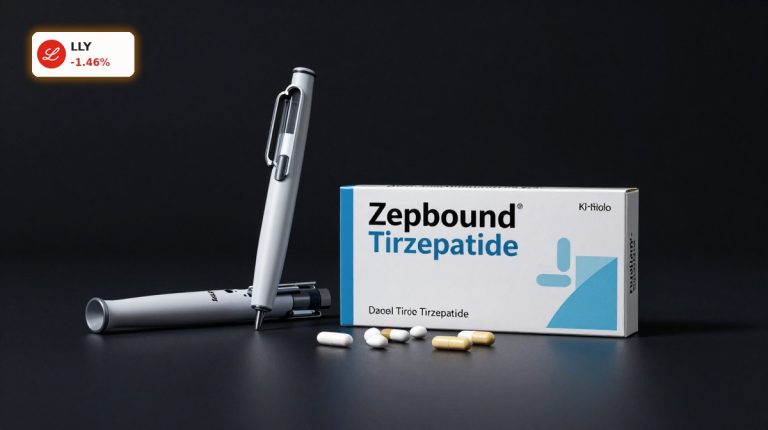
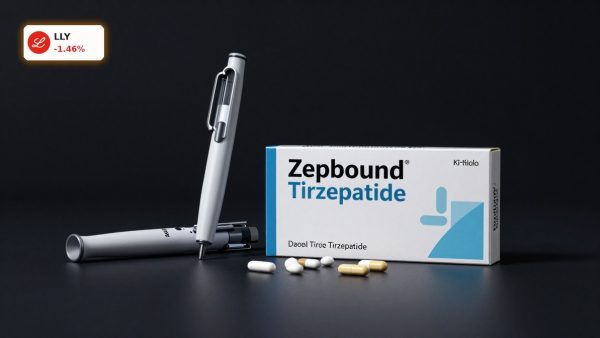
Novo Nordisk claims that Eli Lilly’s marketing campaigns rely on outdated clinical data to mislead consumers and healthcare providers. Specifically, the lawsuit challenges advertising based on the landmark 2024 SURMOUNT-5 trial. That head-to-head study showed patients on high doses of Lilly’s Zepbound achieved superior weight loss (20.2%) compared to those on lower doses of Wegovy (13.7%).
However, Novo Nordisk points out that the FDA approved a much stronger 7.2-milligram dose of Wegovy in March 2026. This higher dosage yielded an average weight loss of approximately 19% in clinical trials, virtually erasing the efficacy gap. By continuing to use older comparisons, Novo Nordisk argues that the current marketing push constitutes deceptive advertising. The Danish firm is seeking a permanent injunction to force the removal of these comparative ads, alongside corrective campaigns and unspecified monetary damages.
What is the impact of the Eli Lilly Lawsuit?
For investors, the Eli Lilly Lawsuit highlights the intense rivalry in a GLP-1 market projected by Bloomberg Intelligence to surpass $120 billion by 2030. While Novo Nordisk pioneered the modern obesity market with Wegovy, Eli Lilly and Company has rapidly gained ground. Backed by strong demand for Zepbound, Lilly has overtaken its rival in U.S. sales, driving its stock to record highs while Novo Nordisk’s share price has faced downward pressure.
Legal experts and market analysts suggest the financial fallout from the Eli Lilly Lawsuit will likely be minimal for the U.S. pharmaceutical giant. Lilly generated over $10.4 billion in free cash flow over the past 12 months, providing an immense financial cushion. Even if the court forces Lilly to modify its promotional materials, the company possesses the marketing budget and brand equity to pivot quickly. Meanwhile, Lilly has stood firmly behind its advertising, calling head-to-head trials the “gold standard” for comparing clinical efficacy. While no major investment bank has downgraded Lilly following the filing, firms like Citigroup and Morgan Stanley continue to monitor the competitive dynamics of the obesity drug market closely.
How does this affect healthcare portfolios?
The litigation comes at a time when institutional investors are heavily weighted in large-cap healthcare stocks. Major investment managers maintain significant core positions in Eli Lilly and Company alongside other industry giants like Johnson & Johnson and AbbVie. These companies are favored for their robust cash flows, established market presence, and reliable dividend histories, making them defensive anchors during times of market volatility.
While the legal dispute may create short-term headlines, the underlying demand for GLP-1 therapies remains the primary driver of valuation. Investors should monitor whether the court grants a preliminary injunction, which could temporarily disrupt Lilly’s marketing momentum. However, the broader investment thesis for both pharmaceutical leaders remains tied to production capacity and insurance coverage rather than courtroom battles.
Related Coverage
Before looking ahead, investors should consider other major developments in the healthcare sector. For instance, read about how the Eli Lilly Weight Loss Stock Drops 2.6% on Slow Foundayo Launch to understand the challenges of launching new oral formulations. Additionally, explore the broader medical dividend landscape in Becton Dickinson Dividend: Stock Drops -2.3% to Deep Value to see where defensive value lies.
The newly initiated Eli Lilly Lawsuit underscores the high stakes of the global weight-loss war but is unlikely to derail Lilly’s long-term market dominance. For forward-looking portfolios, the company’s robust pipeline and commercial execution remain highly attractive. As both drugmakers expand their manufacturing capabilities, Eli Lilly is well-positioned to maintain its leadership role on Wall Street.