
Can Enphase Energy Strategy turn a solar hardware name into a smart home and AI power platform investors can no longer ignore?

What Does the Smart Home Pivot Mean for Enphase Energy Strategy?
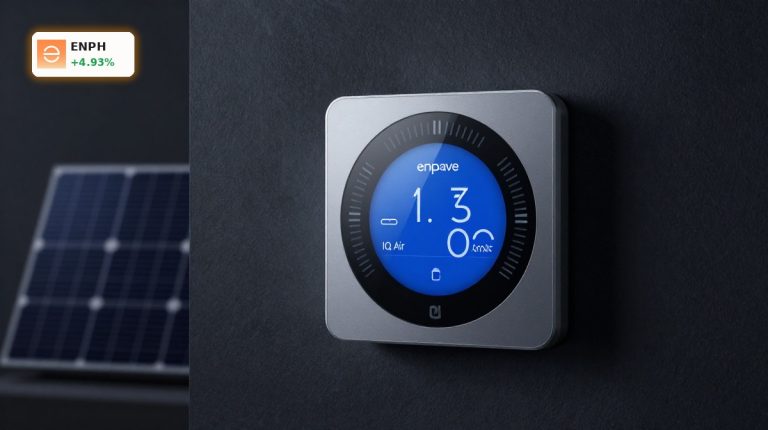
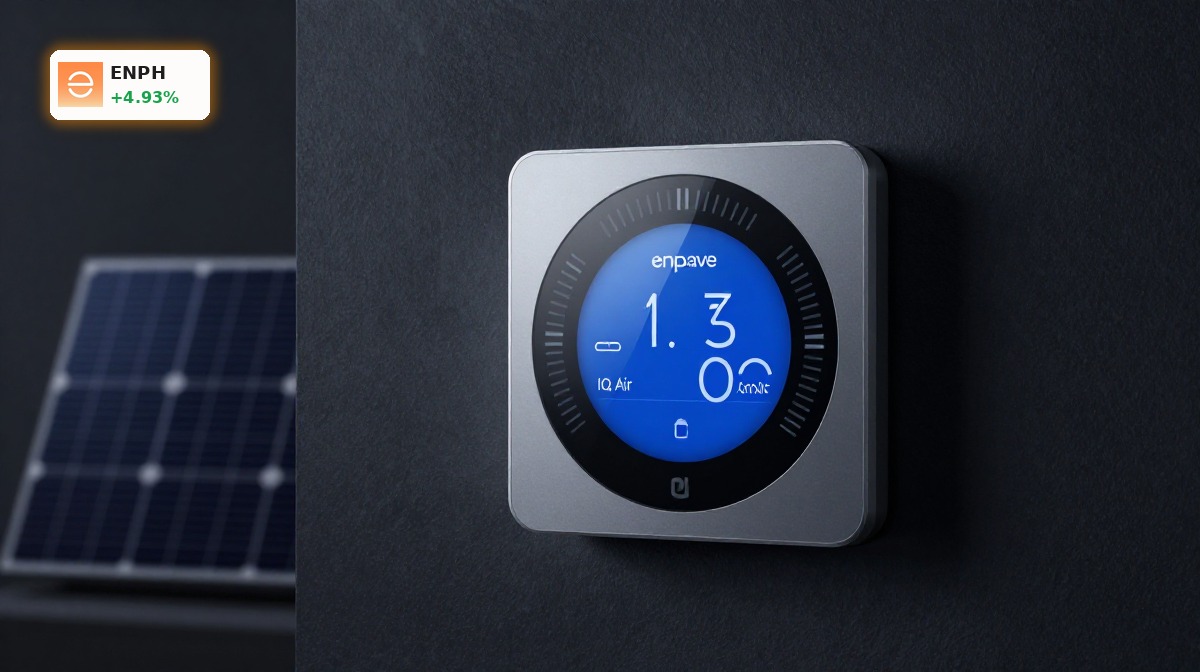
Enphase Energy launched preorders for its IQ Air smart thermostat on July 8 — a fully integrated device that communicates directly with its IQ microinverter ecosystem to dynamically adjust heating, cooling, and ventilation based on real-time solar generation and battery state. Unlike standalone smart thermostats, IQ Air uses proprietary AI to shift HVAC load into solar-rich windows, potentially saving households up to $275 annually. Shipments begin in August 2026. The move positions Enphase Energy not as a component supplier, but as a residential energy orchestration platform — competing indirectly with Apple HomeKit and Tesla’s Powerwall+ecosystem integrations. With U.S. smart home penetration now at 42% (Statista, 2026), this is a high-margin adjacency: software-defined services, recurring data insights, and cross-sell opportunities for battery and EV charger upgrades.
How Is Enphase Energy Strategy Targeting AI Data Centers?
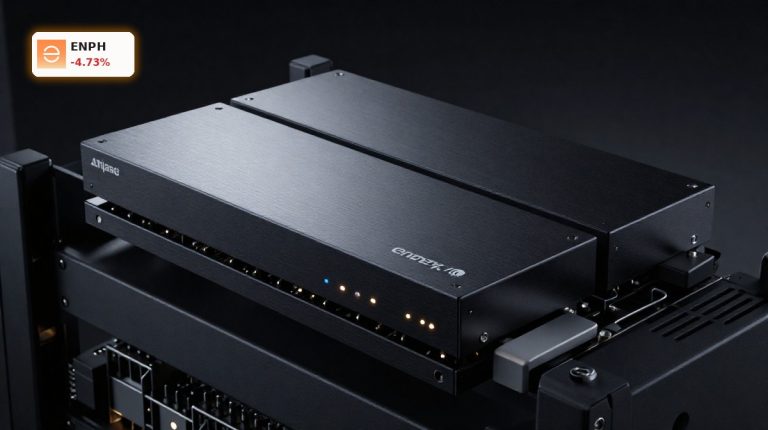
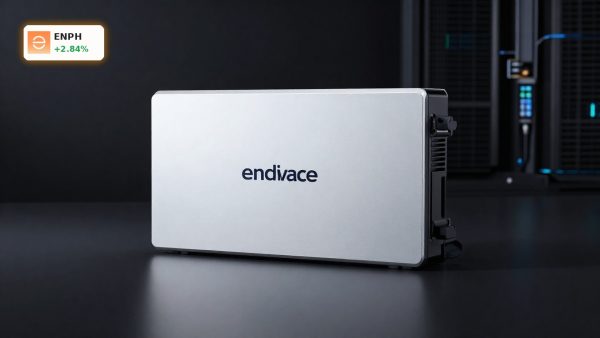
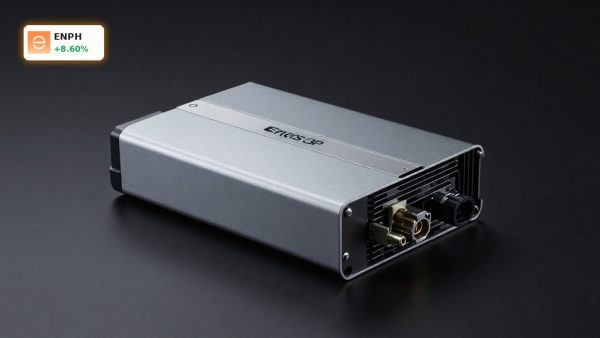
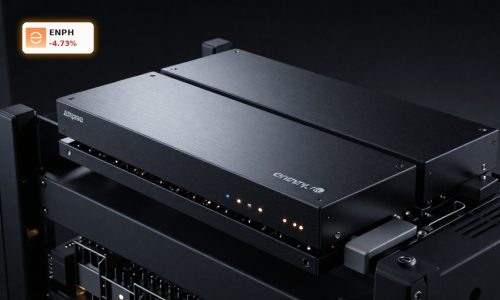
The bigger bet lies in the IQ SST (Smart Scalable Technology) platform — a modular, ultra-high-efficiency power conversion system engineered specifically for AI compute facilities. Each rack integrates 342 custom power modules, delivering 98.5% end-to-end efficiency in a single-stage DC-to-DC conversion — a critical advantage over legacy AC-based infrastructure that loses 8–12% in conversion and cooling overhead. Management confirmed discussions with over 20 prospective customers, including two Tier-1 U.S. cloud providers. While mass deployment is slated for late 2027 or early 2028, the timing aligns with the projected 40% YoY growth in AI data center power demand (Dell’Oro Group, Q2 2026). This positions Enphase Energy Strategy alongside key infrastructure enablers — not just as a solar vendor, but as a critical power efficiency partner to the AI stack.
Why Are Wall Street Analysts Upgrading Their Outlook?
Citigroup raised its price target on Enphase Energy to $52 from $44, citing “compelling near-term monetization of IQ Air and optionality in AI infrastructure.” RBC Capital Markets upgraded the stock to “Outperform,” emphasizing “the strategic defensibility of vertical integration across generation, storage, and intelligent load management.” Morgan Stanley added the company to its “Top Picks” list, noting that Enphase Energy Strategy “de-risks exposure to U.S. residential solar policy volatility while capturing exposure to two of the highest-conviction secular trends: smart home intelligence and AI power density.” Importantly, no major firm cut ratings despite Q2 2026 consensus EPS of $0.45 and $292M in revenue — figures pressured by rising interest rates and the phaseout of the U.S. Residential Clean Energy Credit. The market is pricing forward, not backward.
What’s the Risk Profile for U.S. Portfolios?
This isn’t just about selling more hardware — it’s about owning the energy decision layer in homes and data centers.— Enphase Energy CEO Badri Kothandaraman
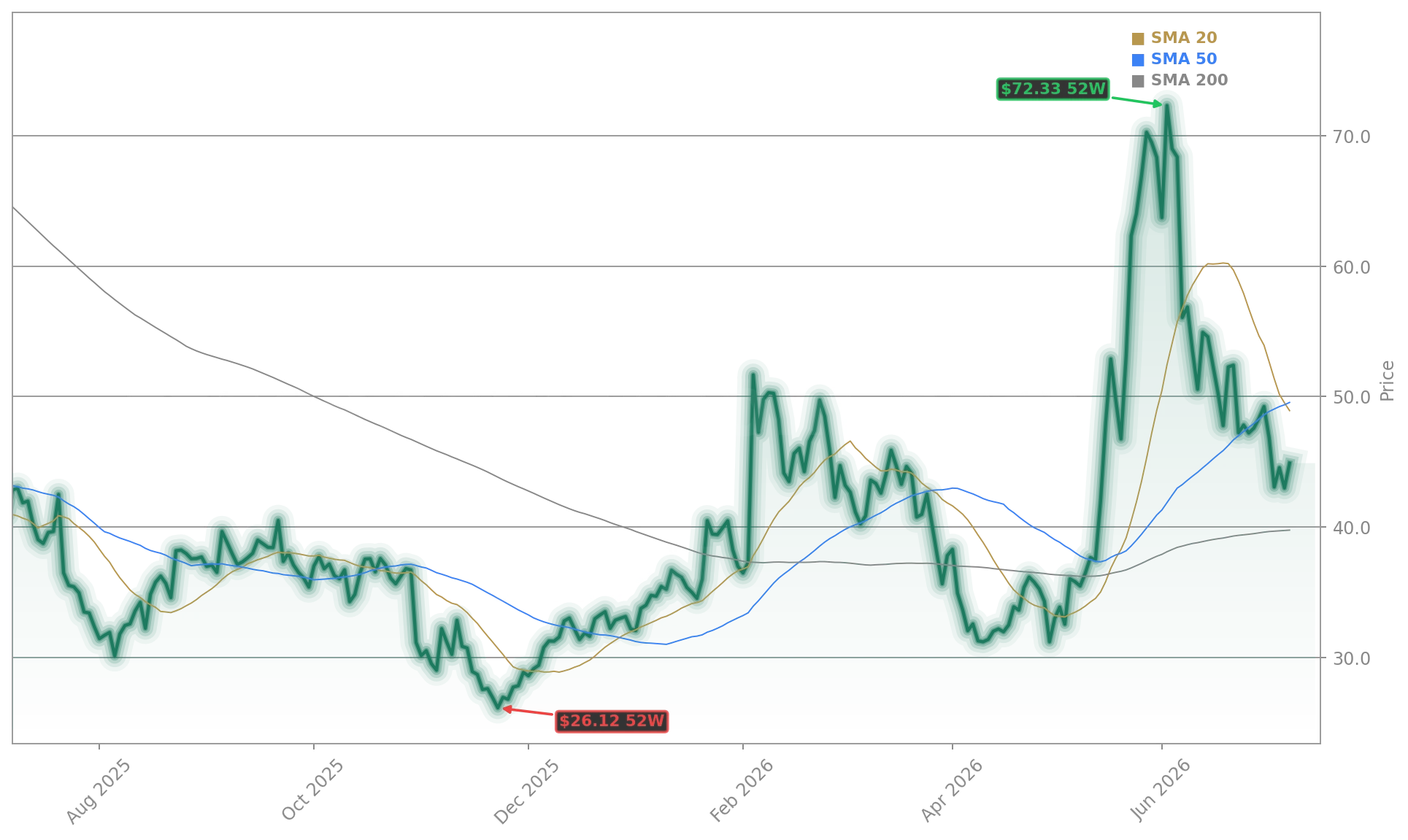
Short interest remains elevated at 18.9% of the float — a sign of persistent skepticism around execution timing and gross margin sustainability in new markets. Yet the stock’s 40% YTD gain (vs. S&P 500 +14.2% and NASDAQ +22.7%) suggests institutional conviction is building. Enphase Energy’s 52-week range ($25.79–$73.65) shows significant recovery room, but also underscores volatility — a reminder that this is not a low-beta utility play. For U.S. investors, the real portfolio value lies in exposure to energy intelligence infrastructure: a theme increasingly mirrored in holdings like NVIDIA (AI chips) and Tesla (energy software + hardware), but with differentiated, asset-light scalability. The $5B market cap offers agility larger peers lack — a key advantage in fast-moving infrastructure transitions.