Will JetBlue’s bold move into domestic first-class finally turn the struggling airline into a highly profitable premium powerhouse?

Why is the JetBlue Fare Overhaul Happening Now?
The airline industry is experiencing a massive shift toward premium leisure travel. In previous quarters, JetBlue Airways Corporation reported that its premium cabins significantly outperformed economy seating, with revenue growth for high-end options outpacing standard coach by nine percentage points year-over-year. By initiating the JetBlue Fare Overhaul, the company aims to capitalize on this momentum. This strategic move is designed to squeeze more revenue out of every seat miles flown, particularly on highly competitive transcontinental routes where premium demand remains robust.
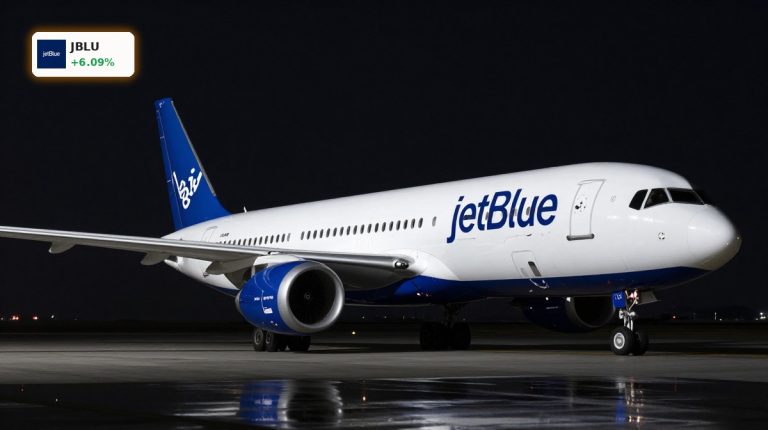
Furthermore, the broader macroeconomic environment has provided a tailwind for the aviation sector. Following geopolitical developments over the weekend that eased energy supply concerns, crude oil prices fell sharply. This decline in fuel expenses gave airline stocks a significant boost. JetBlue shares responded positively, climbing 3.80% to close at $5.47, while competitors like Delta Air Lines and United Airlines also enjoyed strong upward momentum. Investors are optimistic that lower operating costs combined with higher-margin premium tickets will bolster the carrier’s bottom line.
How Will JetBlue Airways Restructure Its Cabins?
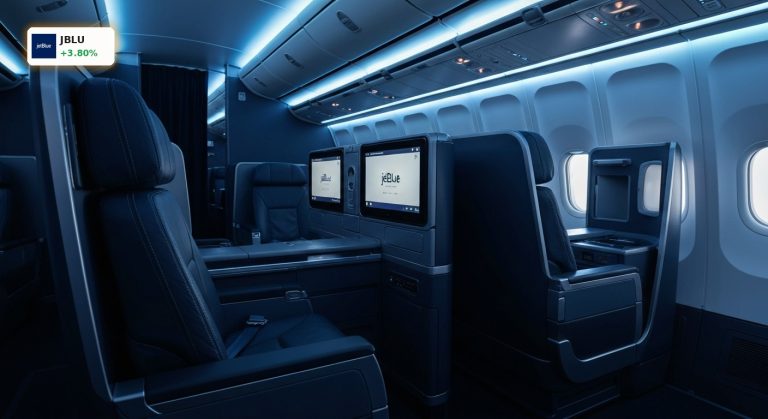
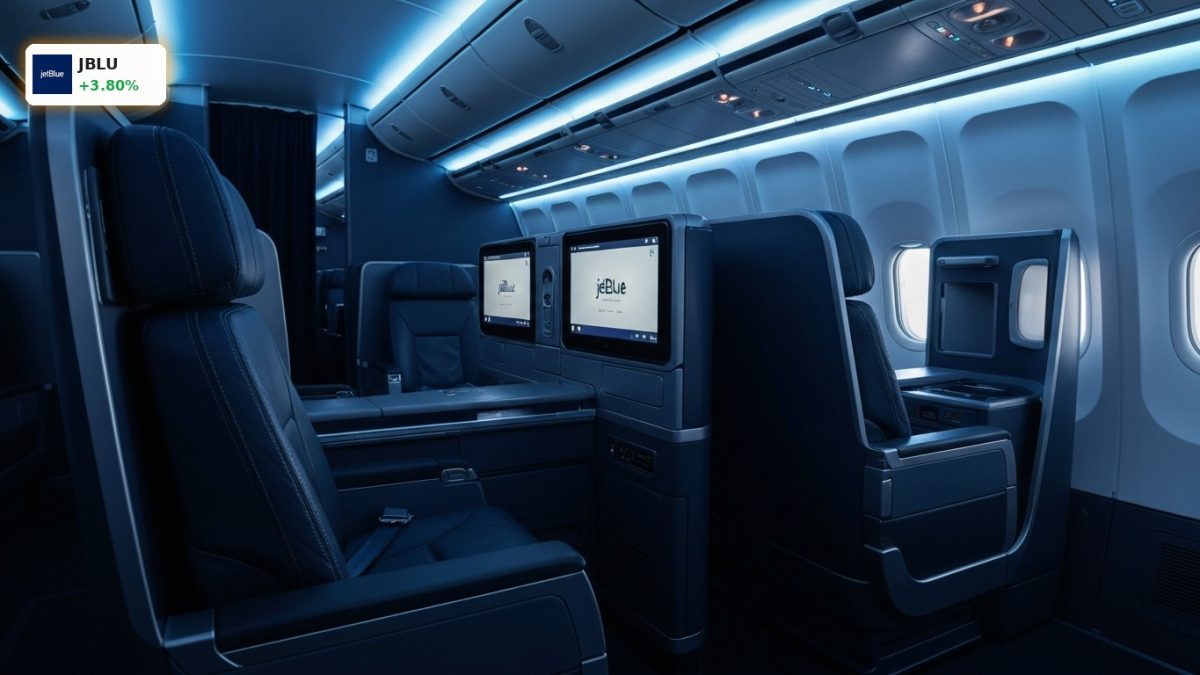
Under the new system, travelers will first select their preferred cabin experience: Main (which replaces the old “Core” economy), Even More (extra legroom), the brand-new BlueFirst domestic first class, or the top-tier Mint business class. After choosing a cabin, passengers will select one of three ticket classes: Base, Standard, or Flex. The new BlueFirst product is scheduled to debut later this year on select non-Mint aircraft, transforming routes like New York to Seattle into multi-class premium experiences.
The introduction of “BlueFirst Base” represents a major change, stripping away traditional perks like advanced seat selection in exchange for a lower price point. However, unlike its competitors, JetBlue is keeping its premium Mint business class restricted to Standard and Flex options, avoiding a basic lie-flat tier for now.
Some industry experts urge caution regarding this strategy. Henry Harteveldt, president of Atmosphere Research Group, warned that basic premium fares could eventually erode the exclusivity of traditional first-class cabins without offering long-term savings to consumers. Nonetheless, corporate travelers who prioritize comfort over flexibility are expected to welcome the cheaper premium options.
What Does This Mean for JetBlue Airways Stock?
As JetBlue prepares to report its quarterly earnings, Wall Street will be watching closely to see how this transition impacts average fares. The airline has already shown operational resilience, particularly by dramatically increasing its capacity in Fort Lauderdale following the market exit of Spirit Airlines.
The JetBlue Fare Overhaul could act as a powerful catalyst for the stock if it successfully drives up unit revenues. By offering more granular choices, JetBlue is positioning itself to capture a wider demographic of travelers, bridging the gap between ultra-low-cost carriers and legacy giants.
Related Coverage
For investors tracking the airline’s financial health, understanding its route network is crucial. Read more about how the carrier is leveraging its footprint in our analysis of the JetBlue Expansion +6.1% as Fort Lauderdale Growth Lifts Shares, which explores whether capacity growth can offset debt risks. Additionally, looking at broader market trends and high-growth sectors can provide valuable portfolio context; check out our report on the upcoming SpaceX Earnings: $6.9B Revenue Target Amid Lockup Warning to see how private space tech developments are shaping investor sentiment.
Our goal is for customers to be able to book what’s right for them, giving them more choice and flexibility.— Marty St. George, President of JetBlue
Ultimately, the JetBlue Fare Overhaul represents a bold step forward that aligns the carrier with modern industry trends. For investors, this segmented pricing strategy could unlock significant revenue streams and improve margins ahead of a challenging fiscal year. If executed correctly, this tariff reform will solidify JetBlue’s position as a highly competitive player in the premium domestic travel market.