Will Moderna Flu Vaccine finally clear the FDA hurdle, or is Wall Street getting ahead of itself again?

What Does the FDA Briefing Say About Moderna Flu Vaccine?
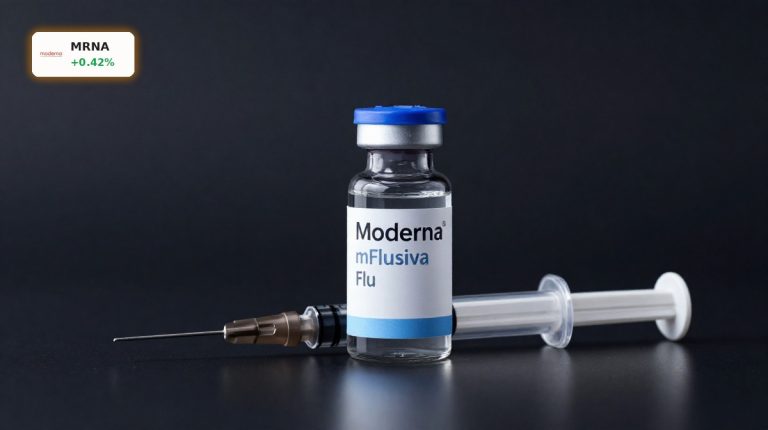
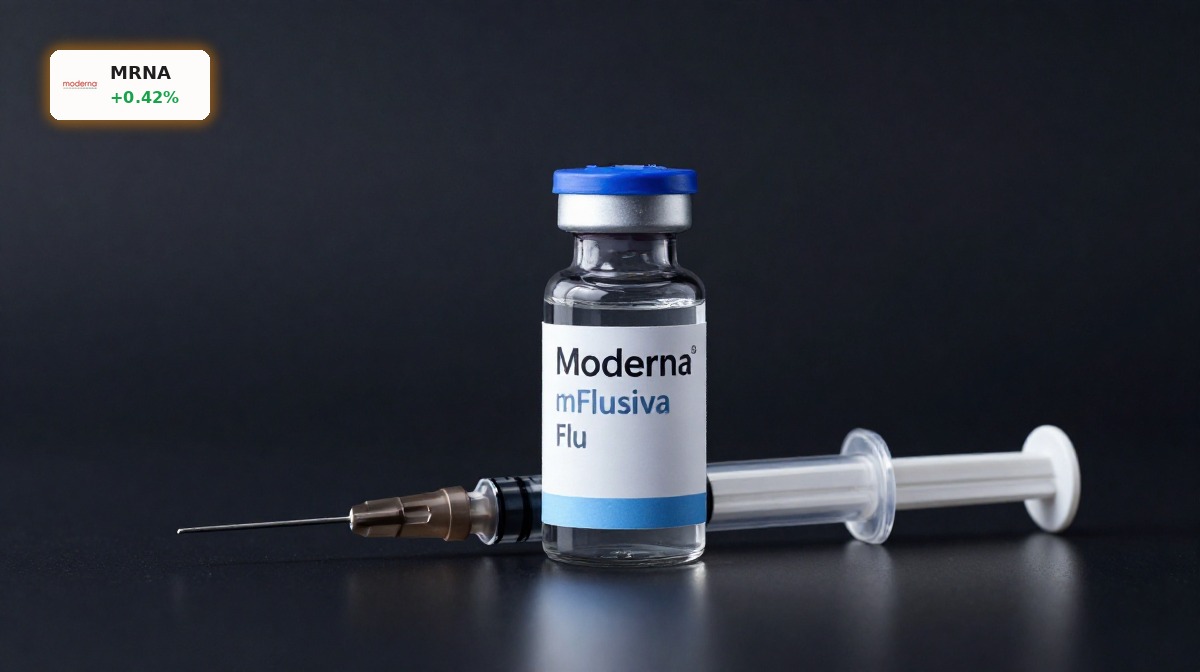
The FDA’s pre-meeting briefing documents — released late Tuesday — signal strong alignment with Moderna, Inc. on the immunogenicity and safety profile of mFlusiva. Reviewers confirmed no myocarditis signal and found no major deficiencies, despite an earlier February refusal-to-file decision tied to trial design. Crucially, data showed superior relative efficacy versus standard-dose flu vaccines in adults aged 50–64, and potent antibody responses in those 65 and older — a demographic representing over 40% of annual U.S. flu hospitalizations. Citeline News & Insights underscored that the FDA has cleared the path for review via a modified, age-stratified Biologics License Application pathway — a major procedural win for the company.
How Is Wall Street Pricing the FDA Decision?
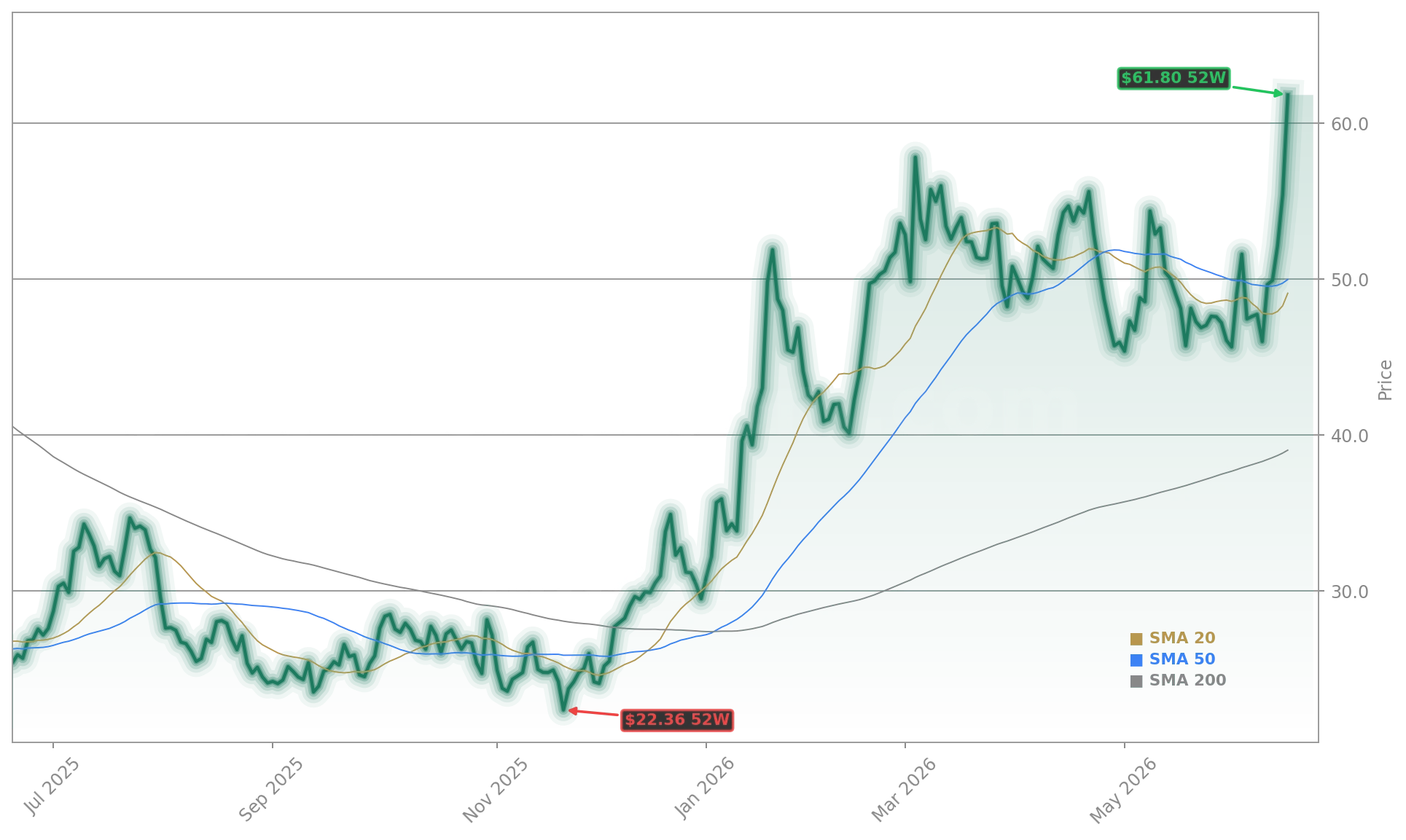
Moderna, Inc. shares jumped to $62.18 — up 0.42% intraday — breaking above the $59.50 resistance level last seen in November 2024. Volume spiked 35% above the 20-day average, marking the fifth consecutive day of net buying. While Moderna, Inc. remains under a consensus ‘Reduce’ rating from analysts — with a $37 price target per MarketBeat — William Blair maintains a Hold rating, and Maxim Group has reiterated its Buy stance on related biotech names, signaling sector-wide confidence in mRNA flu platform validation. The rally outpaces peers: Pfizer (PFE) is up just 4% YTD, and Novavax (NVAX) 41%, per 24/7 Wall St.
Why Is Moderna Restructuring So Critical for Investors?
The leadership reshuffle — appointing Ester Banque as Chief Commercial Officer and expanding President Stephen Hoge’s cross-functional oversight — isn’t cosmetic. It’s a clear signal that Moderna, Inc. is preparing for commercial scale-up of up to three new products by 2027–2028, including a flu-COVID combo vaccine and an ebolavirus candidate. This aligns with Moderna, Inc.’s broader pivot from pandemic-response to a diversified mRNA therapeutics platform — a strategic shift Wall Street is watching closely as it compares the company’s trajectory to NVIDIA’s AI infrastructure build-out or Apple’s services expansion. Insider sales — including a $2.74 million transaction by Hoge on June 15 — are structured under 10b5-1 plans and do not reflect negative sentiment, according to Washington Service data.
What’s Next After the FDA Vote?
The immunogenicity data in older adults is compelling — and the absence of a myocarditis signal removes a key regulatory concern that derailed other mRNA candidates.— Citeline News & Insights
The Vaccines and Related Biological Products Advisory Committee (VRBPAC) meets tomorrow, June 18, at 9:00 AM ET. While the FDA isn’t bound by the panel’s recommendation, approval is widely expected. A positive vote would trigger priority review, with a final decision due by August 5. Should mFlusiva clear this hurdle, Moderna, Inc. could begin U.S. commercialization ahead of the 2026–2027 flu season — potentially generating $500M–$800M in first-year revenue. The company’s June 25 Science Day event will spotlight AI-integrated manufacturing and next-gen vaccine development — further reinforcing its platform credibility to institutional investors tracking the S&P 500 and NASDAQ Biotech Index.