Why would NVIDIA raise $25 billion in debt while sitting on billions in cash and dominating the AI boom?

Why Did NVIDIA Corporation Borrow $25 Billion Amid $13.2B Cash?
NVIDIA Corporation raised $25 billion across seven tranches — from 2- to 30-year maturities — in a deal led by JPMorgan, Goldman Sachs, and Morgan Stanley. Despite holding $13.2 billion in cash and generating $49 billion in free cash flow last quarter, management prioritized establishing a liquid, long-dated credit benchmark. As Bloomberg reported, this enhances financial flexibility for R&D, acquisitions, and shareholder returns — not near-term liquidity. The oversubscription to $85 billion reflects bond investors’ conviction in NVIDIA’s fortress balance sheet and AI-driven earnings durability, a stark contrast to speculative debt issuance elsewhere in the tech sector.
How Does the NVIDIA Bond Offering Reshape Tech Sector Debt Dynamics?
The NVIDIA Bond Offering is not an outlier — it’s the flagship transaction in a broader AI borrowing wave. Alphabet recently issued $20 billion in bonds; Amazon raised $54 billion across U.S. and European markets. Collectively, these issuances signal a structural shift: even cash-rich tech giants now treat debt as strategic capital, not a stopgap. For investors, this means AI infrastructure spending — projected to exceed $700 billion in 2026 — is being financed with institutional rigor. Unlike volatile equity flows, this debt wave validates the sustainability of AI’s capital intensity, benefiting infrastructure plays like Tesla and Apple that rely on NVIDIA-powered data centers.
What Does This Mean for NVIDIA Corporation’s S&P 500 Weight and Market Impact?
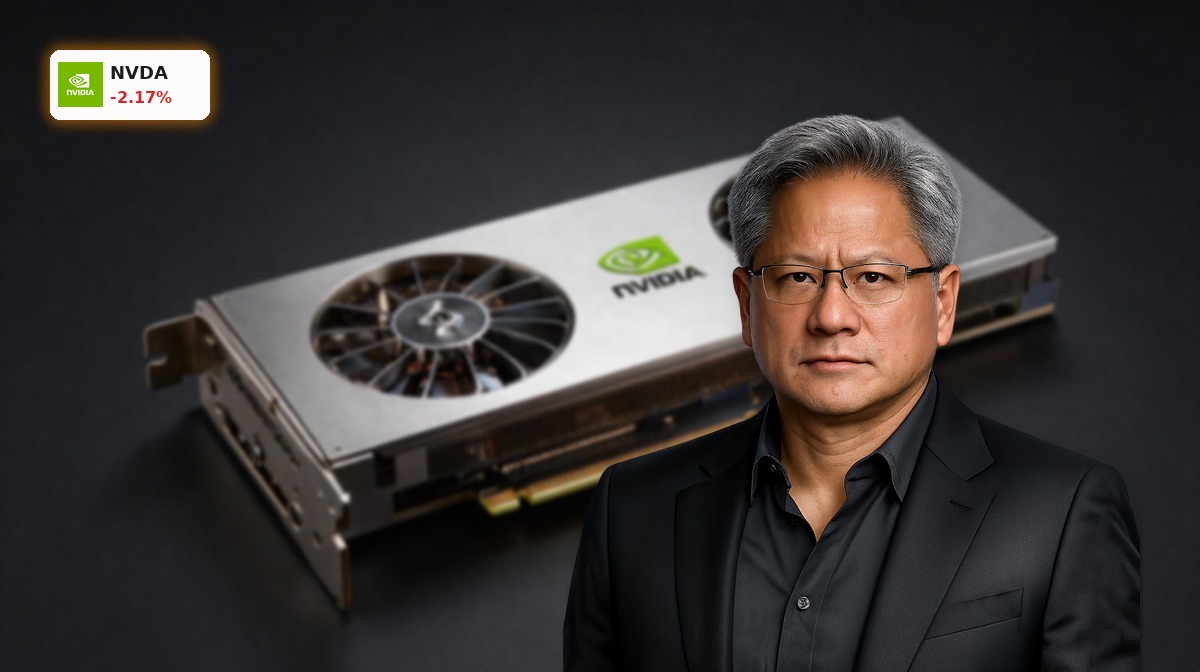
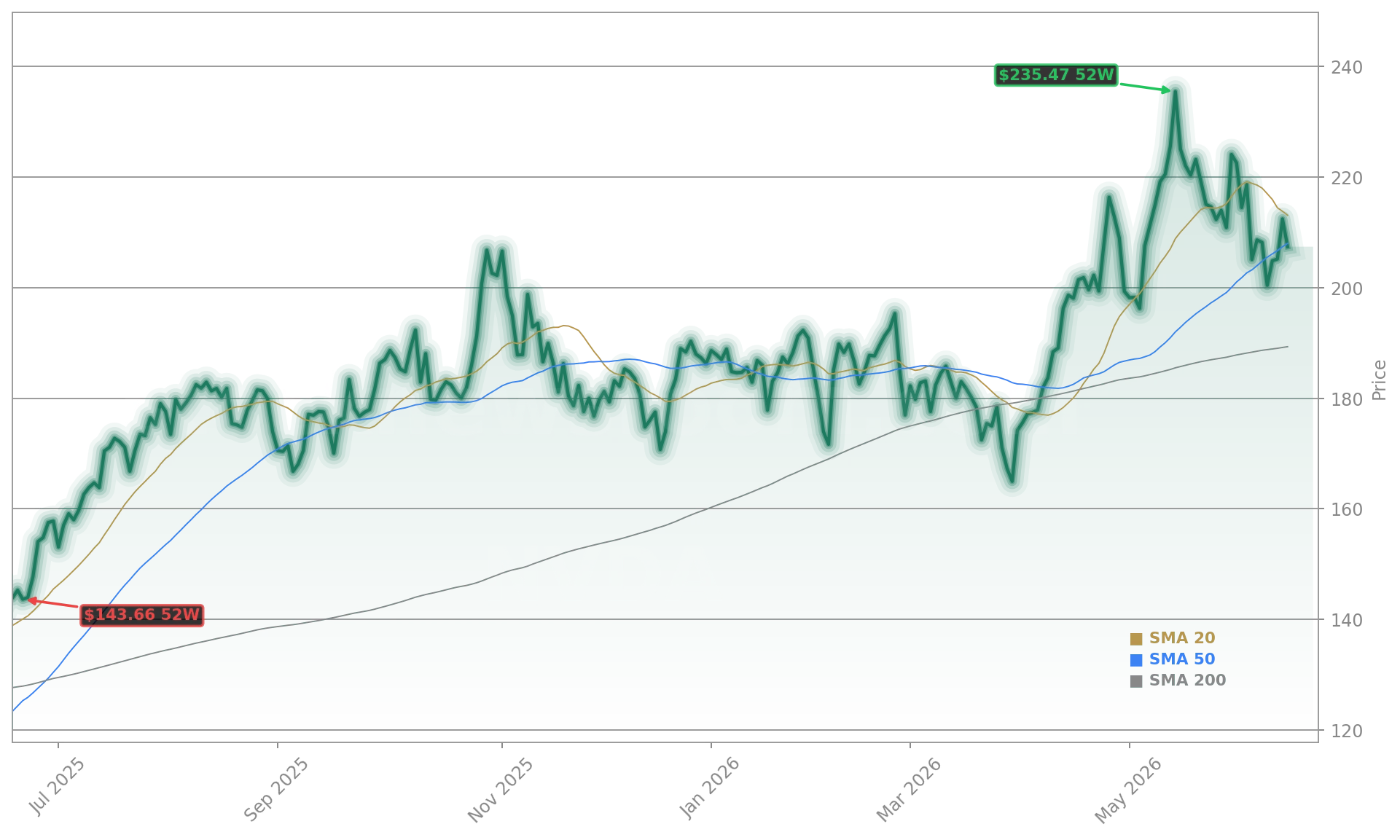
NVIDIA Corporation’s 14.6% weighting in the Nasdaq-100 and outsized influence on the S&P 500 make its moves market-moving. Yesterday’s 3.5% stock gain post-announcement — followed by a 2.17% intraday dip — reflects Wall Street’s recalibration: this isn’t a sign of weakness, but of maturity. As Citigroup analysts noted in a June 15 note, ‘NVIDIA’s debt strategy reinforces its transition from high-growth disruptor to infrastructure anchor — a profile that commands lower volatility and higher valuation resilience.’ With NVIDIA’s market cap near $5.1 trillion — ahead of Apple and Alphabet — its bond issuance sets a de facto benchmark for AI-related credit risk, influencing yields across semiconductor and cloud infrastructure names.
NVIDIA Bond Offering: A Signal for Competitors and Challengers?
While AMD and Intel face margin pressure and execution risk, NVIDIA Corporation’s $25 billion bond raise underscores its unique position: it funds growth while returning $80 billion to shareholders via buybacks and a 25x dividend hike. RBC Capital Markets recently reiterated its ‘Outperform’ rating on NVIDIA, citing ‘unmatched CUDA moat and agentic AI server stack integration.’ Meanwhile, Qualcomm’s reported interest in TensTorrent — an AI chip startup — highlights intensifying competition. Yet, as Morgan Stanley emphasized in its June 12 report, ‘No competitor matches NVIDIA’s full-stack control — from chips to software to networking — making its capital strategy a defensive advantage, not a vulnerability.’
What’s Next After the NVIDIA Bond Offering?
With debt maturities stretching to 2056, NVIDIA Corporation has locked in long-term funding ahead of anticipated Fed rate shifts. Investors should now monitor deployment: Will proceeds accelerate R&D for next-gen Blackwell successors? Fuel acquisitions in AI networking or quantum-adjacent compute? Or deepen partnerships like the one with Fluence Energy for AI data center power systems? The answer will clarify whether NVIDIA’s next growth phase is infrastructure scale — or intelligent system integration. As CEO Jensen Huang stated on the Q1 earnings call, ‘The buildout of AI factories is accelerating at extraordinary speed’ — and this bond offering is its financial foundation.
The buildout of AI factories, the largest infrastructure expansion in human history, is accelerating at extraordinary speed.— Jensen Huang, CEO of NVIDIA Corporation
Related Coverage: Can NVIDIA keep its AI dominance intact as export controls, Senate scrutiny, and a sharp stock drop collide at once? NVIDIA Export Controls -6.2%: Senate Heat Hits Shares. Can the TSMC Amkor Partnership turn Arizona into America’s most important AI chip bottleneck breaker? TSMC Amkor Partnership +3.5% After Hours Fuels Arizona Bet.