Can the Oklo Fuel Deal finally solve advanced nuclear’s biggest bottleneck and turn Wall Street optimism into a real buildout timeline?

What Does the Oklo Fuel Deal Mean for Wall Street?
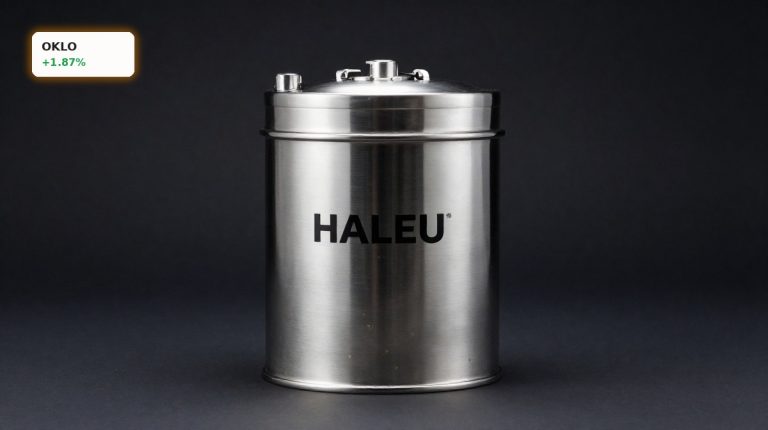
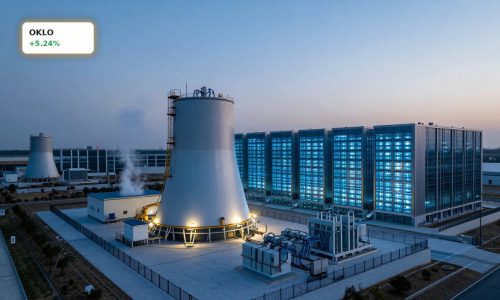
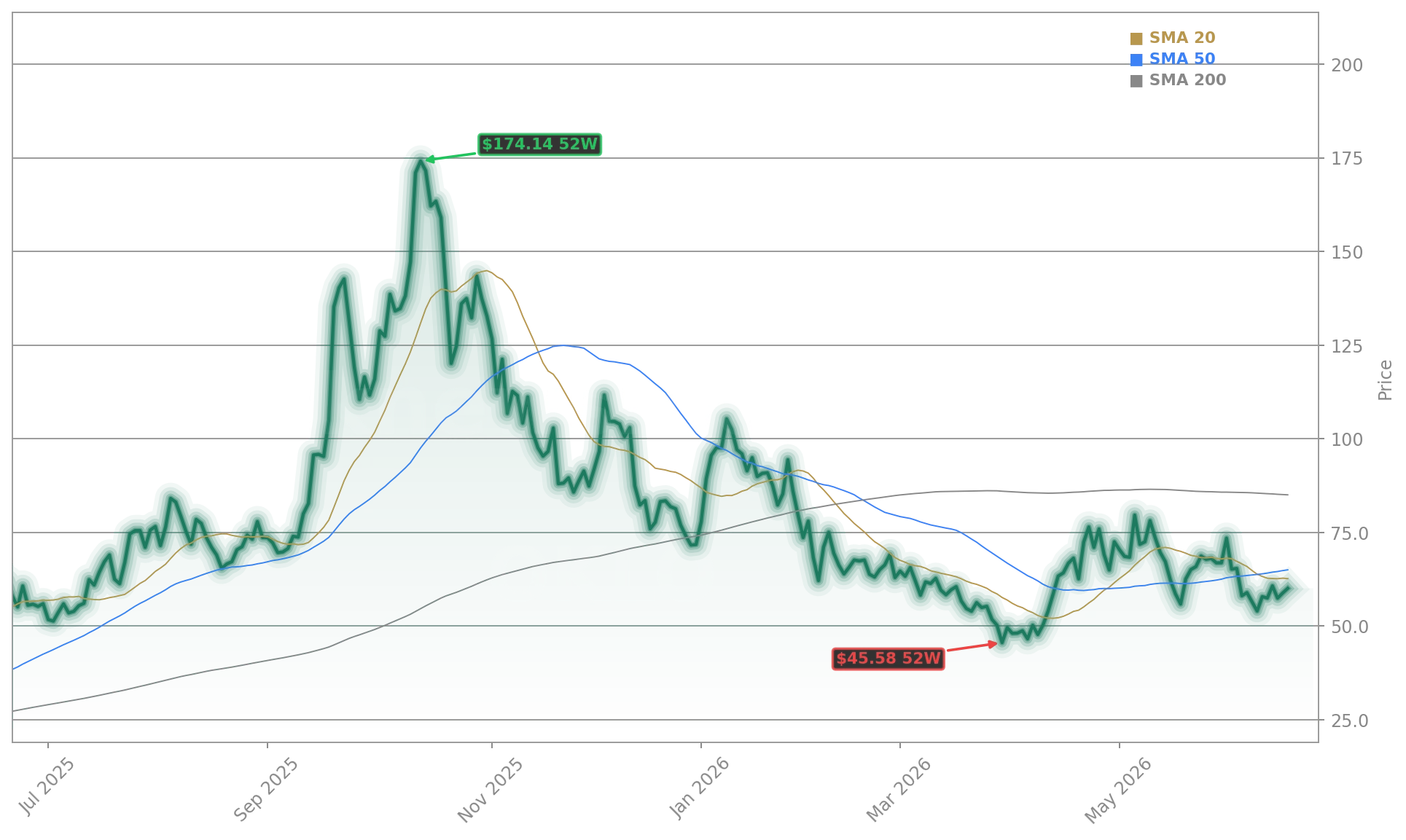
The Oklo Fuel Deal marks a structural inflection for the advanced nuclear sector on Wall Street—transforming Oklo from a concept-driven startup into a company with validated fuel logistics, engineering partnerships, and commercial off-take. With Centrus Energy (LEU) agreeing to supply domestic HALEU from its Pike County, Ohio, American Centrifuge Plant, Oklo now controls the full value chain for its Aurora powerhouses: fuel, reactor design, site permitting, and offtake. That integration matters to investors: Oklo shares rose 1.87% to $59.92 in regular trading, while Centrus surged 8.21% to $184.29—outperforming the S&P 500 and NASDAQ energy sub-index. Unlike earlier nuclear ventures hamstrung by foreign fuel dependency, this deal anchors U.S. supply sovereignty. It also validates Oklo’s build-own-operate model—distinct from pure-play technology licensors like NuScale—and positions it closer to companies such as NVIDIA and Tesla in terms of vertical integration and infrastructure control.
Why Is HALEU the Make-or-Break Fuel?
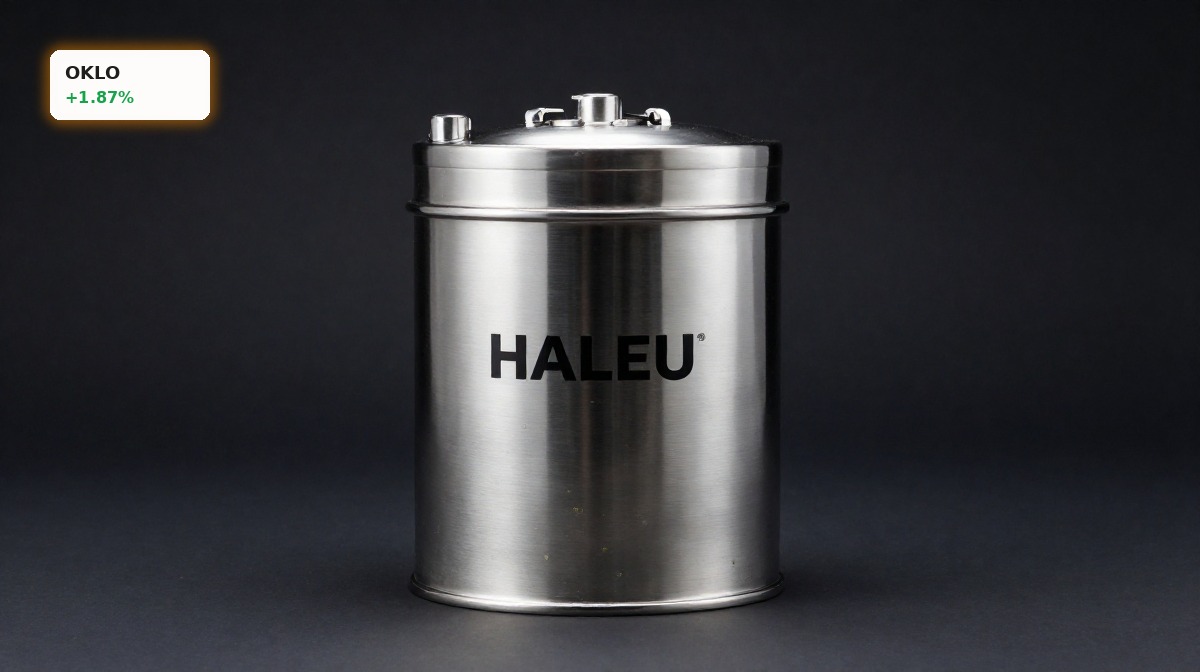
HALEU—enriched between 5% and 20% U-235—is the non-negotiable fuel for most next-generation reactors, including Oklo’s fast fission Aurora design. Until now, commercial-scale HALEU was available almost exclusively from Russia and China, creating a critical national security and deployment risk. The U.S. banned Russian uranium imports in 2022 and has since committed over $2.7 billion in federal contracts to rebuild domestic enrichment capacity. Centrus is now the only licensed commercial HALEU producer in the U.S., and this Oklo Fuel Deal represents one of the first large-scale, pre-commercial supply pacts with a reactor developer. Crucially, the agreement could include prepayments from Oklo—mirroring the $1.2 billion upfront funding secured from Meta in January 2026—providing Centrus with capital to scale production and Oklo with cost and timing certainty. Analysts at B. Riley Securities recently reiterated their ‘Buy’ rating on Centrus, lifting the price target to $295.00, citing ‘HALEU supply dominance as a structural moat.’
How Does This Affect Oklo’s Ohio Campus Timeline?
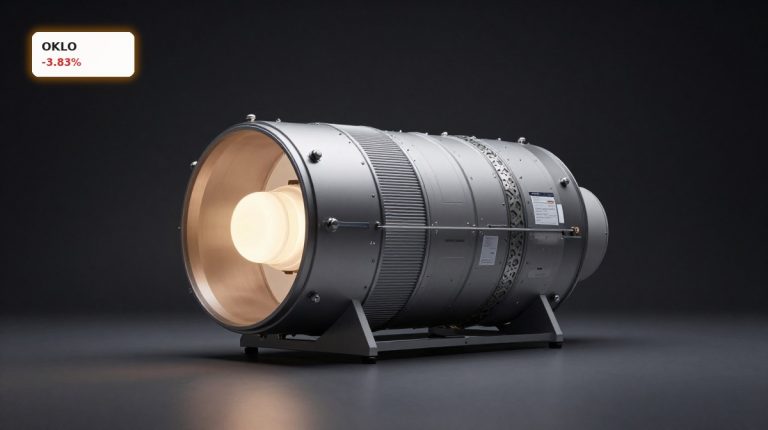
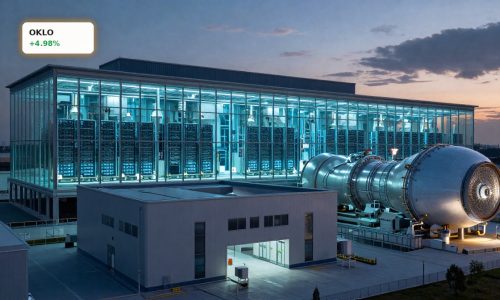
The Oklo Fuel Deal synchronizes three critical Ohio-based pillars: fuel (Centrus), construction (Kiewit Nuclear Solutions), and customer demand (Meta, Switch, Equinix). Kiewit has entered a Memorandum of Understanding to lead engineering, procurement, and construction planning for the initial Aurora deployments—potentially unlocking over $2 billion in private investment and 700+ construction jobs. Each powerhouse is designed to generate ~150 MW, meaning five units would deliver ~750 MW—nearly two-thirds of Oklo’s planned 1.2 GW campus. With deliveries slated to begin in 2029, the timeline aligns with Oklo’s anticipated NRC licensing milestones and Idaho National Laboratory’s first-of-a-kind Aurora unit, which broke ground in September 2025. Unlike legacy nuclear projects plagued by cost overruns, Oklo’s modular, factory-built approach—combined with this fuel certainty—lowers execution risk for institutional investors monitoring the sector’s progress toward commercialization.
What’s Next for Oklo and the Broader Nuclear Sector?
With the Oklo Fuel Deal in place, investor focus now shifts to three near-term catalysts: the finalization of the definitive supply agreement (expected by Q3 2026), the NRC’s review of Oklo’s custom combined license application, and Centrus’ upcoming Q2 2026 earnings report on August 4. Citigroup recently lowered its Centrus price target to $218.00 but maintained a ‘Neutral’ rating, noting ‘HALEU contract wins are increasingly de-risking the revenue model.’ Meanwhile, Oklo’s $1.8 billion cash position—detailed in its May 13 earnings report—gives it runway to fund development without dilution. The company’s 14+ gigawatt order book (including pre-agreements with Prometheus Hyperscale and Equinix) underscores how AI-driven power demand is accelerating nuclear adoption. As Constellation Energy forecasts +3.1% growth on AI power tailwinds, Oklo’s fuel-secured model emerges as a compelling, scalable alternative to traditional baseload providers.
Related Coverage
This agreement aligns core elements of advanced nuclear deployment: power generation, fuel, and customer demand.— Jacob DeWitte, co-founder and CEO of Oklo
For investors assessing Oklo’s valuation amid recent volatility, Oklo Earnings -3.8%: Is the Stock Plunge a Warning Sign? examines whether its multibillion-dollar cash pile offsets execution risk. Meanwhile, Constellation Energy Forecast +3.1% as AI Power Demand Surges provides context on how surging data center electricity needs are reshaping nuclear investment themes across Wall Street.