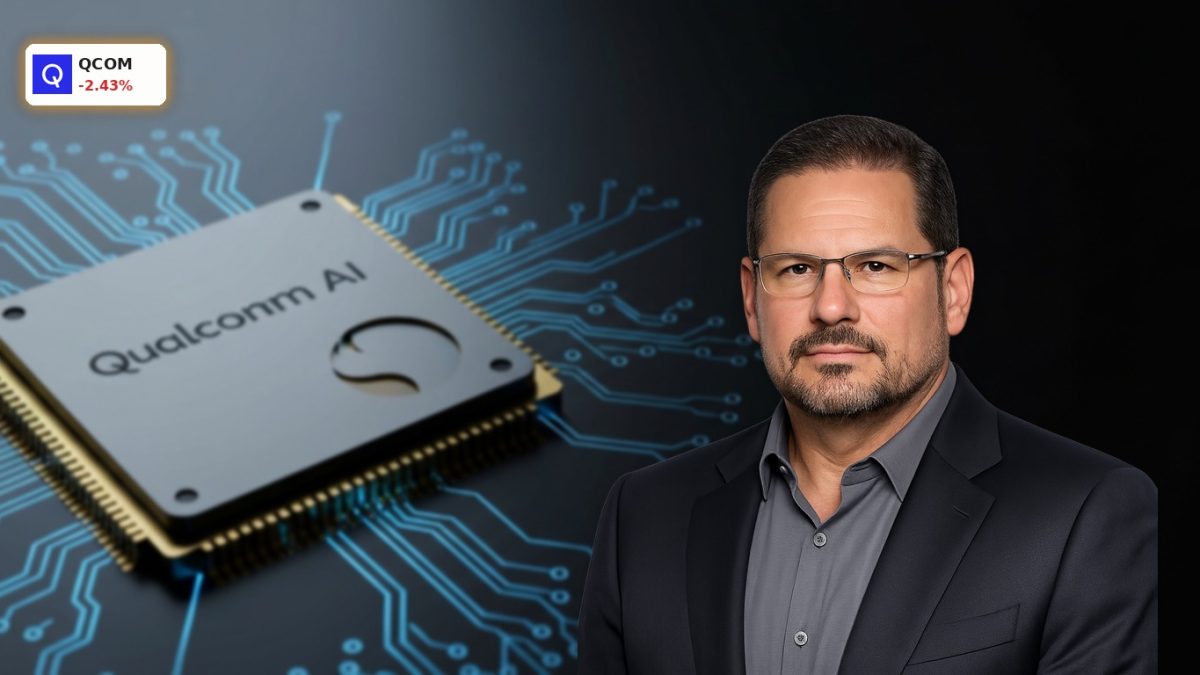

Can Qualcomm AI actually revolutionize consumer devices, or is the stock’s recent drop a warning of a deeper tech correction?

Is Qualcomm AI Enough to Justify the Valuation?
For months, the semiconductor industry enjoyed a historic rally driven by artificial intelligence. However, the tide has turned, and investors are increasingly demanding tangible financial returns from massive capital expenditures rather than just future promises. This shift has placed **Qualcomm AI** strategies under the microscope. While giants like NVIDIA dominate the enterprise data center market, Qualcomm’s focus remains heavily anchored in edge computing—specifically bringing generative AI capabilities directly to consumer devices. Despite these technological strides, the stock’s recent decline reflects a broader market skepticism about whether consumer demand can justify current high multiples. If enterprise spending on AI infrastructure slows down, hardware manufacturers like Qualcomm could face a prolonged period of multiple contraction, especially if retail consumers delay upgrading their devices. Analysts note that while cloud-based AI is highly visible, edge-AI adoption requires a fundamental shift in consumer behavior that may take several quarters to fully materialize.
Can Qualcomm Lead the Next PC Revolution?
Beyond smartphones, the company is making an aggressive push into the personal computer market with its Snapdragon X Elite processors. This represents a direct challenge to established players like Intel and AMD. By embedding advanced neural processing units (NPUs) into these chips, Qualcomm aims to establish **Qualcomm AI** as the industry standard for next-generation Windows laptops. Some Wall Street analysts believe this diversification is key to reducing the company’s reliance on the cyclical smartphone market. However, capturing market share in the highly competitive PC landscape is no easy feat. Software compatibility issues and aggressive pricing strategies from competitors could slow down adoption rates, leaving investors to wonder if the massive R&D investments will yield the expected high-margin returns in the near term.
Will Analysts Keep Supporting Qualcomm?
Despite the recent market downturn, several institutional analysts remain highly optimistic about the chipmaker’s long-term trajectory. For instance, investment banks like TD Cowen have previously highlighted the company’s unique positioning to capitalize on the edge-AI transition, pointing to strong partnerships with major device manufacturers. Nevertheless, the broader market sentiment has grown cautious. With the stock currently trading well below its recent highs, the pressure is on management to deliver robust earnings growth in the upcoming quarters. Analysts from various firms are closely watching average selling prices (ASPs) for AI-enabled chips, as any margin compression could trigger further sell-offs in an environment where investors are quick to punish high-valuation tech stocks. Furthermore, if macroeconomic headwinds weigh on consumer spending, even the most advanced AI features may not be enough to drive the volume of sales that Wall Street currently expects.
Related Coverage
For a deeper analysis of the company’s long-term valuation potential, read how the Qualcomm Price Target Raised to $225 as TD Cowen Forecasts Surge highlights the optimistic institutional view on the chipmaker’s next growth phase. Meanwhile, the broader tech sector’s balance sheet struggles are further explored in our report on the Oracle Defense Contract Secured, But Stock Drops -2.9% on Debt Fears, showing how high debt and AI spending are weighing on tech giants.