Is Robinhood’s $2 billion convertible note deal a smart capital move, or a warning that growth still needs financial engineering?

Why Did Robinhood Markets, Inc. Issue Robinhood Convertible Notes?
Robinhood Markets, Inc. announced the pricing of $2.0 billion in 0.00% convertible senior notes due October 1, 2029 — a highly opportunistic capital raise timed to its strongest quarterly platform metrics in years. The Notes carry an initial conversion price of $174.42 per share (a 65% premium to the June 22 closing price), with capped call coverage extending to $237.85 — effectively neutralizing dilution until shares rally 125% from the pricing date. Crucially, the deal delivers $1.971 billion in net proceeds, of which $290 million will fund immediate share repurchases, and $112 million will finance hedging instruments. This structure transforms the Robinhood Convertible Notes into a strategic tool — not just debt, but a leveraged vehicle for capital efficiency and shareholder alignment.
How Does This Compare to Interactive Brokers and Charles Schwab?
While Robinhood Markets, Inc. pursues aggressive financial engineering, peers are taking divergent paths. Interactive Brokers (IBKR) surged 41% year-to-date and trades at a forward P/E of 38 — still below Robinhood’s 45x multiple — yet its $1.67 billion Q1 revenue reflects broad-based growth across commissions and net interest income. Charles Schwab (SCHW), trading at just 18x earnings, reported steady asset growth but lacks Robinhood’s explosive options and prediction market volume. Notably, Goldman Sachs recently raised Robinhood’s price target to $108 from $105, citing record May prediction market volume (3.9 billion contracts, up 22% MoM) and 27% MoM equity trading growth. Citigroup maintains a Neutral rating, warning that crypto-related revenue fell 47% YoY — a vulnerability absent at Schwab and muted at IBKR.
What’s the Real Risk Behind the $2 Billion Move?
Despite strong metrics, Robinhood Markets, Inc. faces structural headwinds. Its customer base remains heavily skewed toward newer, more volatile traders — a cohort that has never weathered a sustained bear market. Unlike Schwab or IBKR, Robinhood has no recession-tested track record. That fragility surfaced in Q1 2026: while transaction-based revenue rose 7% YoY, the gain was almost entirely driven by prediction markets (+320% in ‘other’ revenue), masking a steep 47% collapse in crypto revenue. Meanwhile, Deutsche Bank reiterated its Buy rating but acknowledged the workforce reduction — 10% of staff cut last week — was a signal of operational tightening, not weakness. The Robinhood Convertible Notes offer strategic flexibility, but they also highlight the company’s reliance on cyclical, sentiment-driven revenue streams.
Does the Market Trust Robinhood’s Execution Strategy?
The capped call transactions are expected generally to reduce potential dilution to Robinhood’s Class A common stock upon conversion of any Notes and/or offset any cash payments Robinhood is required to make in excess of the principal amount of converted Notes.— Robinhood Markets, Inc. Press Release
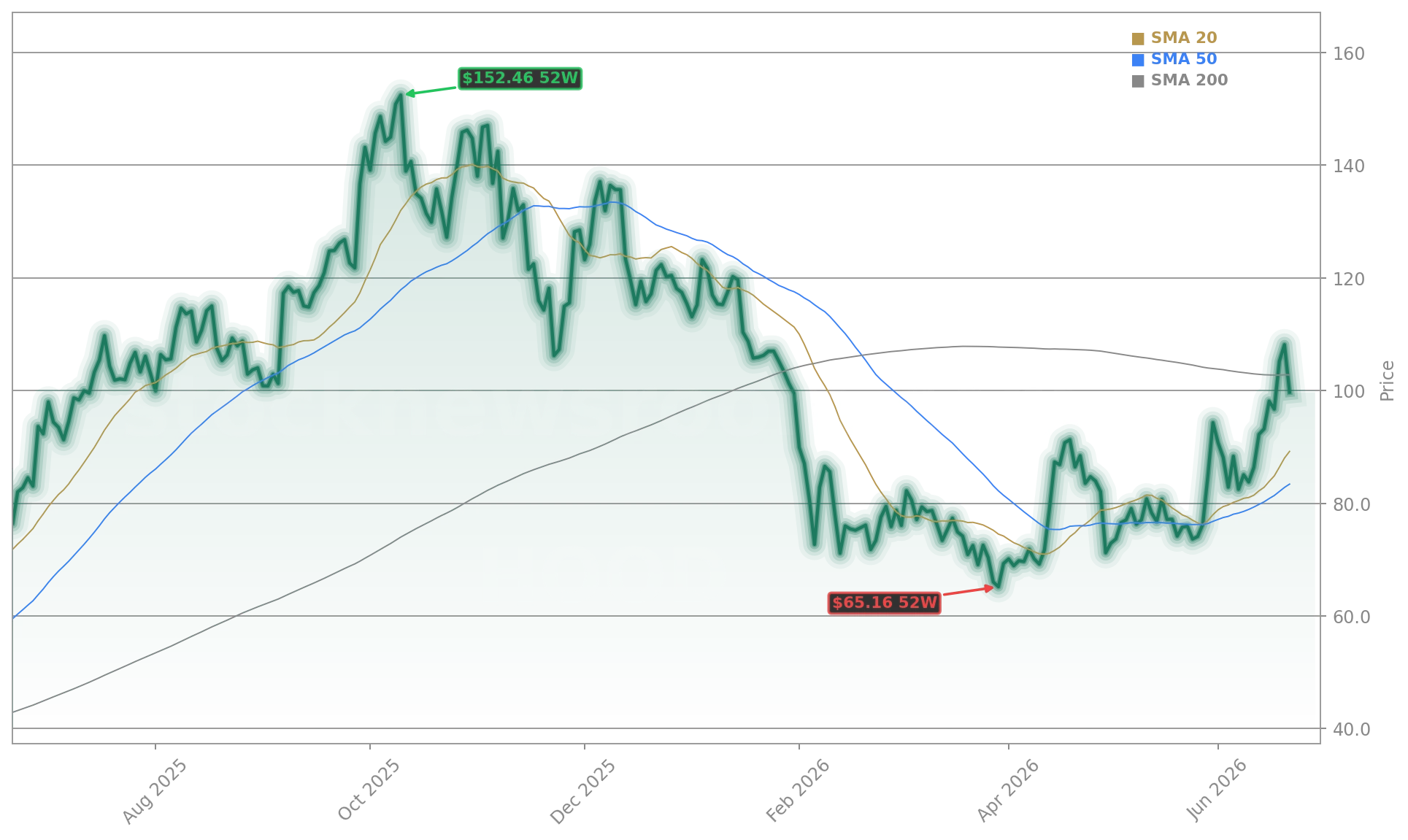
Investor sentiment remains conflicted. HOOD shares slid 5.64% on June 23, reflecting pre-market skepticism around dilution risk and the timing of the offering — just days after the 10% layoff. Yet insider activity tells a different story: Director Meyer Malka bought 431,000 shares near $81 in mid-June, signaling strong internal conviction. Meanwhile, competing platforms like Kalshi and Coinbase are gaining traction in prediction markets — a space where Robinhood’s early lead is now being challenged. Technically, HOOD is trading below its volume-weighted average price (VWAP), with order book data showing more aggressive bids above current levels — suggesting institutional accumulation despite headline-driven selling. The Robinhood Convertible Notes are designed to bridge this gap between near-term volatility and long-term platform potential.