Can Robinhood Layoffs really power a lasting breakout, or is this just another hype-fueled spike tied to SpaceX and crypto sentiment?

Why Did Robinhood Layoffs Trigger a Rally?
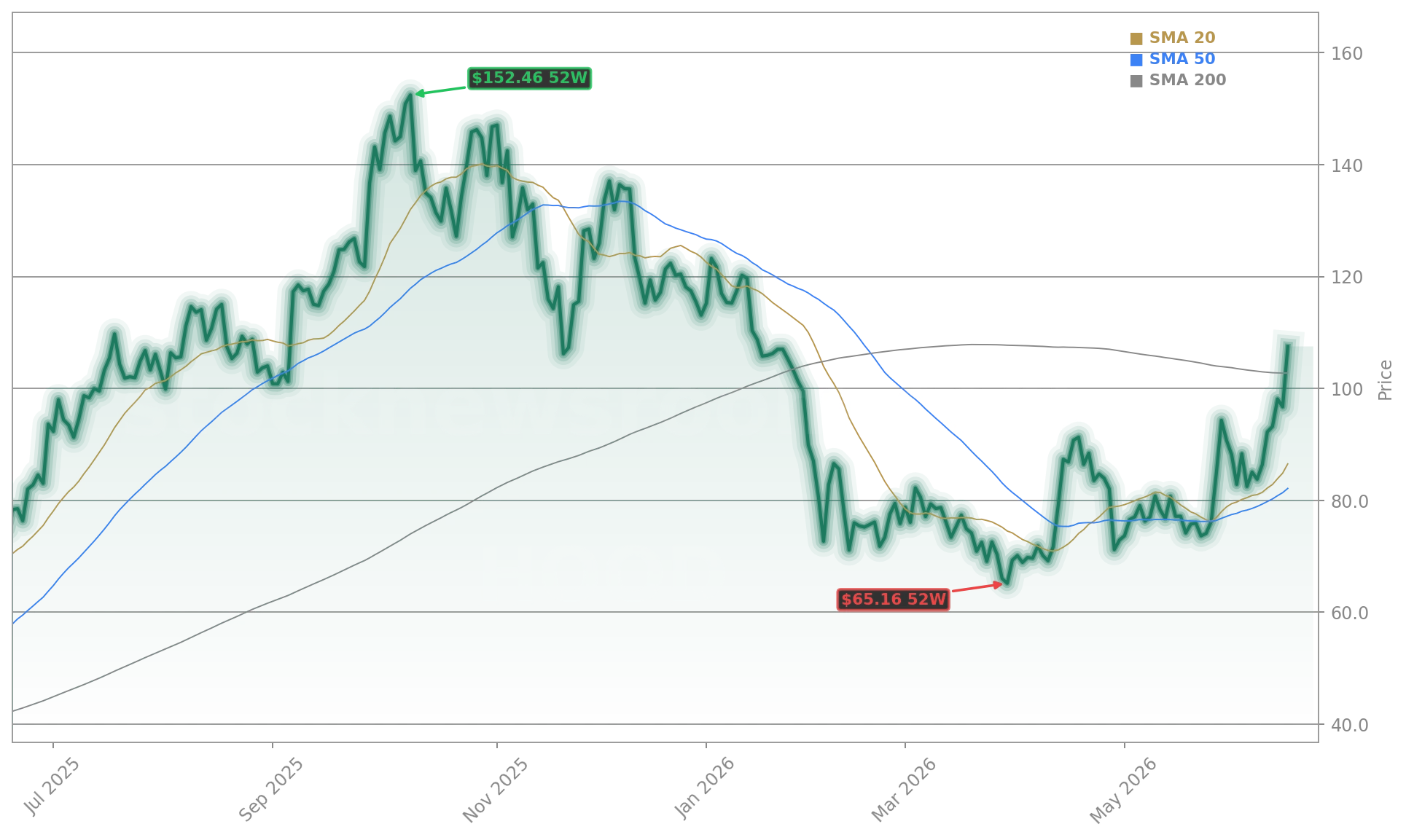
Unlike typical layoff-driven selloffs, Robinhood Markets, Inc. surged 8.78% intraday on Wednesday—closing at $105.20—after confirming a 10% headcount reduction. Analysts at Citigroup immediately raised their price target to $110, citing improved path to profitability and margin expansion potential. The cuts align with a broader strategic pivot: away from reliance on volatile crypto trading (down 47% YoY in Q1 2026) and toward higher-margin, scalable offerings—including IPO access, credit cards, and bank accounts. Notably, Robinhood’s recent approval to underwrite securities marks a historic expansion beyond retail brokerage, positioning it closer to traditional investment banks like Morgan Stanley and Goldman Sachs.
How Does SpaceX IPO Access Change the Game?
Robinhood Markets, Inc. was one of just five U.S. platforms selected to offer shares in Space Exploration Technologies’ (SpaceX) landmark IPO last Friday—its first public offering after more than two decades as a private entity. Unlike rivals such as Charles Schwab or Fidelity, Robinhood imposed no minimum balance or net worth requirements, democratizing access for retail investors. Early data suggests the move drove over 1.2 million new account openings in the 72 hours post-IPO launch. While SpaceX stock dipped nearly 5% on Wednesday—its first decline since debut—HOOD’s correlation with the launch was unmistakable: its relative strength line hit a new high, and volume spiked 65% above its 50-day average. This isn’t just a one-off event; it’s validation of Robinhood’s platform-as-infrastructure strategy.
What’s the Regulatory Risk for Robinhood?
Regulatory pressure is mounting on multiple fronts. Kentucky’s Attorney General Russell Coleman filed lawsuits this week against Polymarket and Kalshi—naming Robinhood Markets, Inc., Coinbase, and Webull as co-defendants—for allegedly operating unlicensed sports betting platforms via prediction markets. A separate class action filed by Matthew Mazza claims Robinhood disguises gambling as investing, encouraging leveraged bets on sports outcomes across all 50 states. While Robinhood maintains its prediction markets are compliant derivative products, the legal exposure is real: state-level bans, cease-and-desist letters, and potential fines could constrain growth in a segment that posted 320% YoY revenue growth in Q1. Investors should note that despite these risks, RBC Capital Markets reaffirmed its ‘Outperform’ rating on HOOD, citing the company’s “increasingly diversified revenue mix” and “strong capital position.”
Is HOOD Still Tied to Bitcoin and Crypto Volatility?
Yes—but less than before. Cryptocurrency revenue accounted for just 22% of total revenue in Q1 2026, down from 38% a year earlier. Bitcoin’s 38% YoY decline weighed heavily on margins, but Robinhood Markets, Inc. offset that with a 41% jump in options trading revenue and a 29% increase in subscription revenue from its Gold tier. Crucially, the company’s new bank charter and credit card rollout—both launched in Q2—have begun contributing meaningfully to net interest income. Still, the stock remains highly correlated with NASDAQ and megacap tech: when NVIDIA, Tesla, and Apple sold off sharply on Wednesday amid Fed hawkishness, HOOD held up better than the broader fintech group, suggesting growing investor confidence in its structural improvements. The Robinhood Layoffs are part of that recalibration—not a retreat, but a refocus.
What Do Insider Trades Say About Confidence?
Robinhood’s path to sustainable profitability is now clearer—and faster—than at any point since its 2021 IPO.— Goldman Sachs
Insider activity tells a nuanced story. While CFO Shiv Verma sold $393,779 in shares under a pre-arranged 10b5-1 plan, and director Baiju Bhatt sold $5.19 million, a fund tied to director Meyer Malka purchased $20.18 million in HOOD stock just days earlier. That divergent activity—plus the fact that Robinhood’s board approved a $1.5 billion share repurchase program in April—signals that leadership sees current valuation as compelling. With HOOD trading at just 1.8x price-to-sales and holding $3.2 billion in cash, the Robinhood Layoffs appear less like distress and more like capital discipline. As Goldman Sachs noted in its latest note, “HOOD’s path to sustainable profitability is now clearer—and faster—than at any point since its 2021 IPO.”